
Table of Contents
ToggleWrought iron patio furniture has endured for centuries, and for good reason. Unlike trendy outdoor pieces that fade from fashion (and literally fade from the sun), quality wrought iron ages gracefully, gaining character while maintaining structural integrity. Whether you’re outfitting a small balcony or a sprawling backyard, wrought iron offers a blend of ornamental beauty and practical durability that few materials match. This guide walks you through what makes wrought iron worth the investment, how to choose the right styles for your space, and what it actually takes to keep these pieces looking sharp year after year.
Key Takeaways
- Quality wrought iron patio furniture lasts 20+ years, making it a cost-effective long-term investment compared to cheaper alternatives that require frequent replacement.
- Wrought iron offers diverse design options—from ornate Victorian to contemporary minimalist—that complement various home styles and outdoor aesthetics.
- Rust prevention through regular maintenance (wiping after rain, inspecting finishes, and touch-up painting) is essential to keep wrought iron patio furniture looking sharp year-round.
- Proper patio layout planning ensures wrought iron pieces fit your space proportionally, with furniture covering 40–50% of usable area and allowing clear traffic flow.
- Layering wrought iron furniture with weather-resistant cushions, natural textures, plants, and strategic lighting transforms a basic set into a stylish, lived-in outdoor room.
What Makes Wrought Iron Patio Furniture a Smart Investment
Wrought iron isn’t the cheapest patio option upfront, but the math changes fast once you factor in longevity. A quality wrought iron chair or table can easily last 20+ years, often outliving the homeowner, while cheaper alternatives (plastic resin, low-grade steel) may need replacing every few seasons.
The durability comes from how wrought iron is actually made. True wrought iron is hand-forged or machine-forged steel that’s worked while hot, creating a dense, fibrous structure far stronger than cast iron. This process makes the metal naturally resistant to cracking under stress, critical for furniture that bears weight and endures temperature swings. Cast iron, by contrast, is brittle and prone to breaking if it gets a hard knock or freezing water gets into a crack.
Beyond durability, wrought iron has genuine design range. It can be ornate and Victorian, sleek and contemporary, or something in between. Unlike plastic or aluminum, which scream “budget patio,” wrought iron reads as intentional. It pairs well with stone, tile, natural wood, and lush plantings. Over time, a well-maintained wrought iron set becomes a focal point, the kind of thing guests notice and ask about.
Cost varies by construction. A basic bistro set (two chairs, small table) might run $400–800 new, while hand-forged heirloom pieces can exceed $3,000. Reclaimed or vintage pieces often offer better value if you’re patient hunting and willing to do some restoration work. Many homeowners find that amortizing the cost over 15–20 years makes wrought iron comparable to or cheaper than rotating through several cheaper sets.
Essential Styles and Design Options for Your Outdoor Space
Wrought iron comes in enough variety to fit most design visions. Classic ornate designs feature scrollwork, decorative finials, and intricate patterns, perfect for traditional homes or gardens with formal architecture. Rustic styles lean heavier, with thicker stock and simpler lines, often paired with wood or stone for a farmhouse or cottage aesthetic.
Mid-century modern wrought iron pieces favor clean angles and geometric frames, working beautifully in urban or transitional spaces. Boho and eclectic designs mix ornate and simple elements, often pairing iron with woven accents or colorful cushions. Garden-specific pieces, planters, railings, arbors, and plant stands, extend wrought iron’s utility beyond seating.
Modern Minimalist and Contemporary Designs
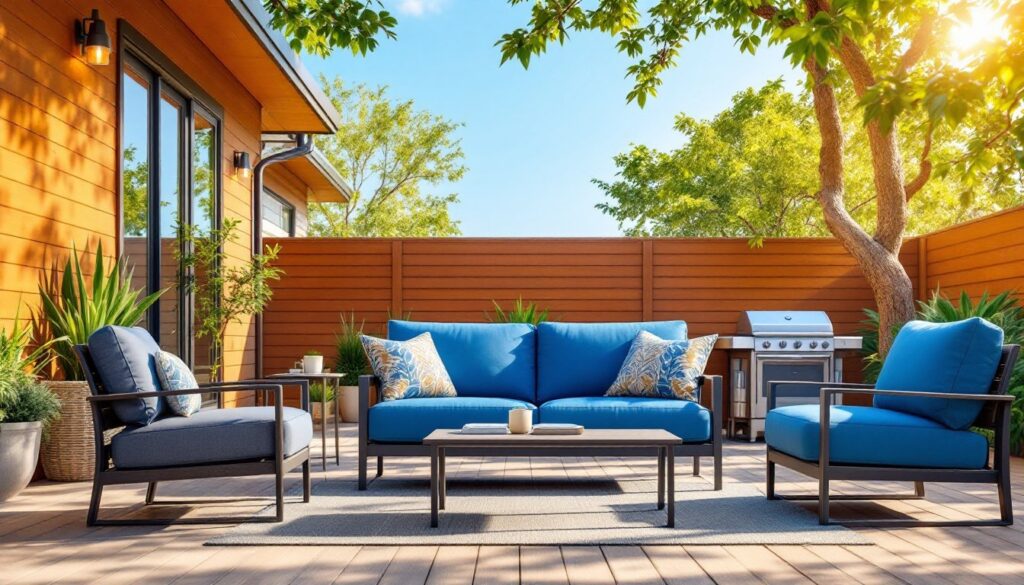
Contemporary wrought iron strips away ornament for function. Think thin, open-frame tables with glass or stone tops: chairs with slatted backrests and no arms: or sculptural accent pieces. The appeal is that wrought iron’s inherent weight and presence still register even without fussy detailing. A minimalist wrought iron bistro set reads as refined rather than sparse. These pieces work especially well in smaller patios or when you want the furniture to complement rather than dominate the space.
Contemporary designers also pair wrought iron with mixed materials, stainless steel hardware, concrete bases, powder-coated finishes in matte black or charcoal, to create pieces that feel current without chasing trends. If you’re drawn to the Scandinavian or industrial look, modern wrought iron can anchor that aesthetic without felling trees or sourcing reclaimed metal. The material’s honesty (you see the joints, the welds, the structure) aligns with minimalist principles.
Maintenance and Care Tips for Long-Lasting Appeal
Wrought iron’s reputation for low maintenance is partly true and partly myth. Yes, it won’t rot or warp like wood, and it won’t degrade like plastic. But it does rust, and neglecting that step kills the piece faster than almost anything else.
The key is understanding why rust happens. Iron oxidizes when exposed to moisture and oxygen, a completely natural, ongoing process. Quality pieces arrive with a protective finish: typically a paint or powder coat applied at manufacture. Your job is maintaining that barrier.
Basic care routine: Wipe furniture with a damp cloth after rain, particularly if you’re in a coastal area where salt spray accelerates rust. Once or twice a year (spring and fall work well), inspect for chips in the finish, especially around joints and high-wear spots like armrests. Touch up small chips with exterior paint or a rust-preventive spray before water seeps in. If you see surface rust starting, a wire brush and some WD-40 or a similar penetrating oil will stop it, then reapply paint.
For pieces stored through winter, consider a breathable cover, not plastic, which traps moisture. Many homeowners store lighter pieces indoors or in a shed: if weight permits, it’s the safest bet. Don’t oversimplify: leaving a wrought iron chair outside year-round in a wet climate will age it fast, even with maintenance.
If rust has already set in, don’t panic. Light surface rust can be sanded or wire-brushed off, treated with a rust converter, primed, and repainted. Deeper rust or structural pitting requires professional welding or replacement, which is when you’ll appreciate having invested in quality iron rather than a cheaper alternative.
Choosing the Right Pieces for Your Patio Layout
Wrought iron furniture works best when it fits the scale and flow of your space. A single oversize statement chair looks orphaned in an empty patio: conversely, a tiny bistro set disappears on a large deck. Measure your patio before shopping. Aim for furniture that covers roughly 40–50% of the usable area, enough to define the space without making it feel cluttered.
Consider traffic flow. Position seating so people can walk around tables and chairs without squeezing. Leave clear pathways to doors, stairs, and garden beds. If you’re combining multiple pieces (sofa, chairs, coffee table, side tables), arrange them in a conversational cluster rather than pushing everything to the perimeter.
Weight and anchoring matter more than most people realize. Wrought iron pieces are heavy, a single chair might weigh 30–50 pounds. This is a pro (they don’t blow over in wind) and a con (you won’t casually rearrange the patio on a whim). On windy exposures or sloped terrain, consider how you’ll stabilize larger pieces. Some designs include feet or points to dig into soil: others may need L-brackets or weights.
Material pairing affects the overall feel. Wrought iron with natural wood (teak, cedar) reads warm and transitional. Wrought iron with stone or concrete reads contemporary or formal. Wrought iron with glass tops feels lighter and more open. Think about what’s already in or near your patio, siding, deck material, existing hardscape, and choose iron finishes and styles that complement rather than clash.
Styling and Accessorizing Your Wrought Iron Collection
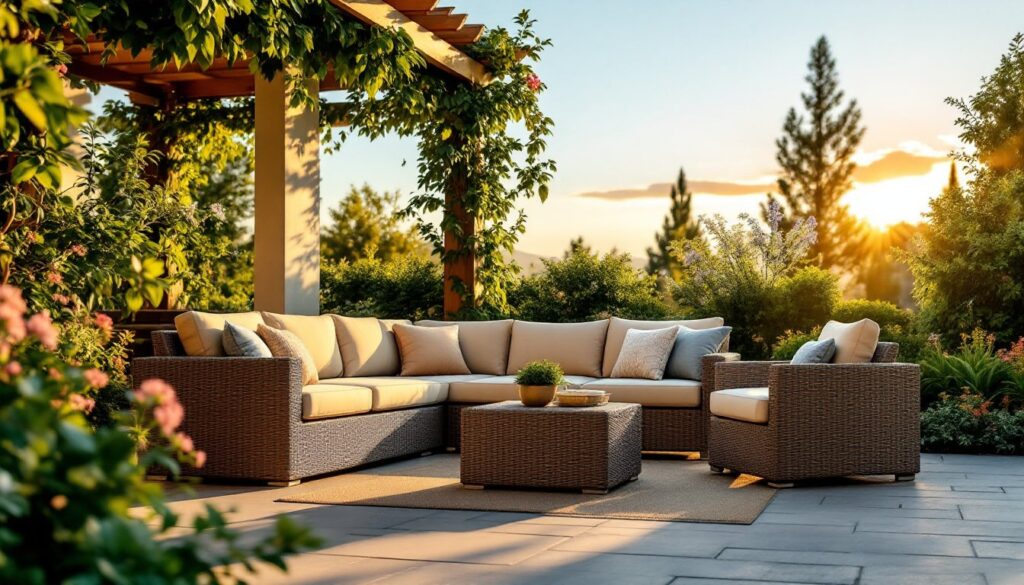
Once the core furniture is in place, accessories transform a functional seating area into an outdoor room. Outdoor cushions are the fastest upgrade: they add color, comfort, and personality. Choose weather-resistant fabrics (solution-dyed acrylic or performance blends) that won’t mildew or fade quickly. Cushion colors should either echo the wrought iron’s finish (charcoal, black, bronze) for cohesion, or contrast boldly with jewel tones or pastels for impact.
Layering textures keeps the space from feeling cold or harsh. Add a natural fiber rug (jute, sisal) to ground a seating cluster, or drape a lightweight throw blanket over the back of a chair. Wrought iron’s linear, hard geometry benefits from organic materials and soft fabrics.
Plants and planters amplify wrought iron’s garden appeal. A tall wrought iron plant stand with trailing ivy softens edges. Window boxes or tiered plant stands draw the eye upward. Hanging baskets from a pergola or arbor add depth without eating floor space. Recent styling guides for outdoor furniture recommend layering greenery at multiple heights to create visual richness.
Lighting extends usability into evening and creates ambiance. Solar stake lights or lanterns tucked near seating add a warm glow without running electrical lines. Overhead lighting, a pendant hung from a pergola or string lights strung overhead, makes the space feel intentional and increases safety. Wrought iron’s solid form looks dramatic backlit or shadowed, so lighting placement matters.
Final touches: a small side table for drinks and books, a throw pillow or two, a potted specimen plant, and maybe a mirror leaning against a wall to expand perceived space. The goal is making wrought iron furniture feel lived-in and connected to the rest of your home, not like display pieces behind velvet ropes.
Conclusion
Wrought iron patio furniture rewards thoughtful investment. Choose well-made pieces that match your style and space, keep them protected from rust, and style them with intention. Whether you’re drawn to ornate Victorian designs or clean contemporary lines, wrought iron delivers durability and beauty that improve with age. Start with one quality set or statement piece, then build from there. Your outdoor room will evolve into something distinctly yours, and it’ll still be standing strong decades from now.