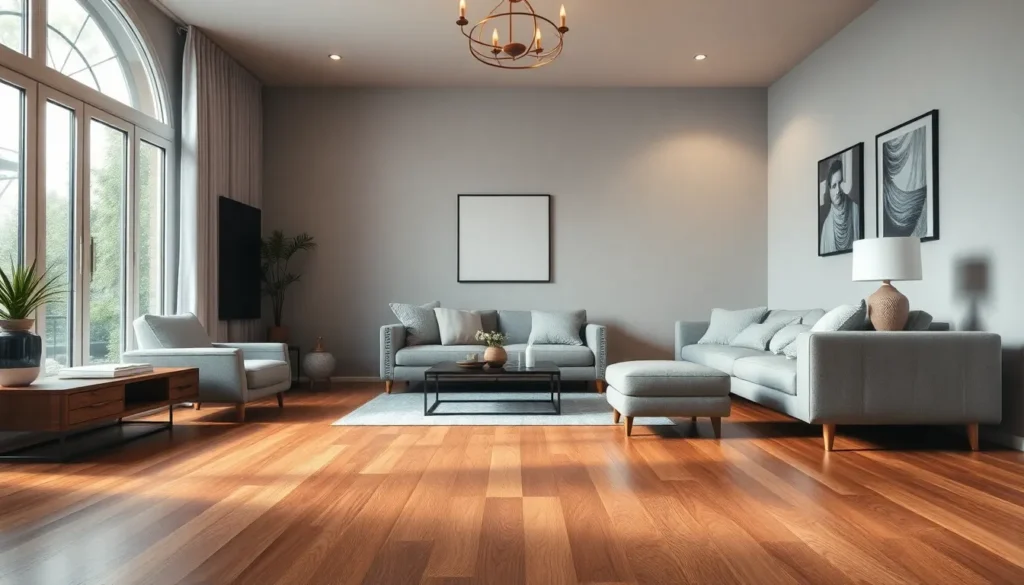
Wooden flooring has become a popular choice for homeowners seeking both style and durability in their spaces. Its natural beauty and timeless appeal can transform any room, creating warmth and elegance that other materials often lack. With a variety of wood types, finishes, and patterns available, it’s easy to find the perfect match for any décor.
Beyond aesthetics, wooden flooring offers practical benefits as well. It’s known for its longevity and ease of maintenance, making it a smart investment for those looking to enhance their home’s value. As trends shift towards sustainable living, many are also drawn to eco-friendly options, further boosting the allure of wooden floors. Whether renovating or building from scratch, exploring the world of wooden flooring can lead to exciting possibilities.
Overview of Wooden Flooring
Wooden flooring consists of planks or tiles made from solid wood or engineered wood, offering diverse styles and finishes. Solid wood flooring, crafted from single pieces of timber, exhibits excellent durability and can be sanded and refinished multiple times. Engineered wood, composed of several layers, provides enhanced stability against moisture and temperature fluctuations.
Wooden flooring enhances interior spaces with its natural aesthetic and warmth. Available in various species, such as oak, cherry, and maple, it caters to differing design preferences and budgets. The finish options range from glossy to matte, allowing additional personalization.
Maintenance of wooden flooring requires regular sweeping and occasional mopping with a damp cloth. The durability of quality wooden floors often results in a lifespan of 20-100 years, depending on the type and care. Eco-friendly options, such as sustainably sourced wood or reclaimed timber, promote responsible usage while maintaining aesthetic appeal.
The benefits of wooden flooring extend beyond appearance and longevity. Properly installed wooden floors may increase a property’s market value, making them a desirable investment for homeowners. With advancements in technology, wooden flooring continues to evolve, offering options that blend style, functionality, and sustainability.
Types of Wooden Flooring
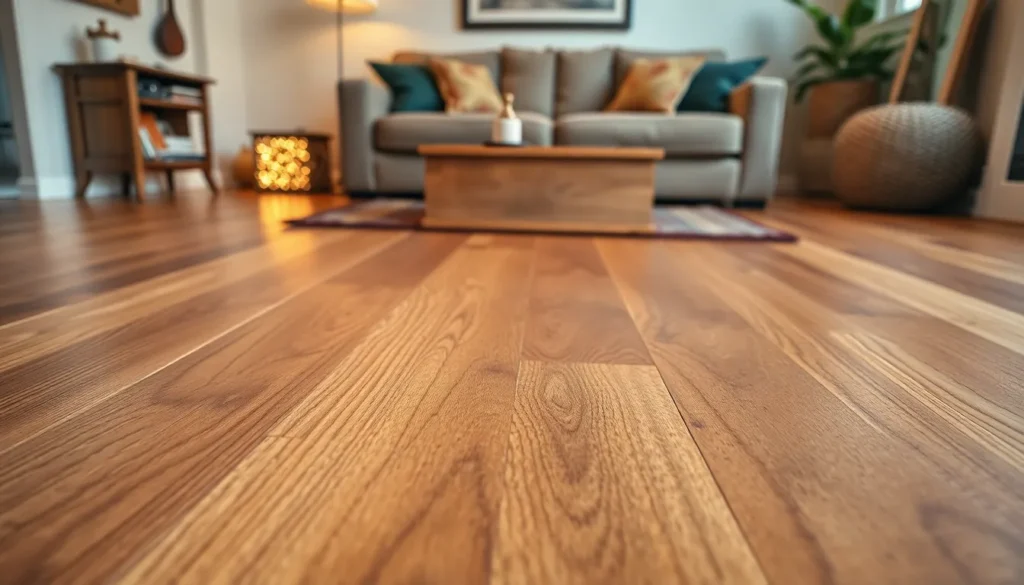
Wooden flooring mainly falls under two categories: solid hardwood flooring and engineered hardwood flooring. Each type provides unique attributes that cater to various preferences and climates.
Solid Hardwood Flooring
Solid hardwood flooring consists of 100% natural wood and is typically 3/4 inch thick. It offers unmatched durability and can be sanded and refinished multiple times, extending its lifespan beyond 100 years. Common wood species for solid hardwood include oak, maple, and hickory, each showcasing distinct grain patterns and colors. Solid hardwood flooring performs best in environments with stable humidity levels, making it ideal for living spaces and bedrooms. Its natural aesthetic contributes to a warm ambiance, making it favored among homeowners.
Engineered Hardwood Flooring
Engineered hardwood flooring features a top layer of real wood, bonded to multiple layers of plywood or high-density fiberboard, enhancing its stability. This structure allows it to resist moisture and temperature fluctuations, making it suitable for basements and areas with varying humidity. Engineered hardwood typically comes in thicknesses ranging from 3/8 inch to 3/4 inch and supports a variety of wood species like oak and walnut. Installation methods include floating, glue-down, and nail-down, providing versatility for different flooring projects. Engineered hardwood flooring combines the beauty of natural wood with practical benefits, appealing to homeowners seeking effective solutions for diverse environments.
Benefits of Wooden Flooring
Wooden flooring offers numerous advantages, appealing to both aesthetic preferences and practical needs. These benefits include aesthetic appeal, durability, longevity, and eco-friendliness.
Aesthetic Appeal
Wooden flooring introduces a natural beauty to any space, enhancing its warmth and elegance. Available in various species, such as oak and maple, wooden floors accommodate diverse design styles. The grain patterns and color variations add unique character, allowing homeowners to create personalized atmospheres. Wooden floors complement both traditional and modern designs, making them a versatile choice for renovations and new constructions.
Durability and Longevity
Wooden flooring exhibits impressive durability, often lasting 20 to 100 years with proper maintenance. Solid hardwood can withstand wear and tear, and it can be sanded and refinished multiple times, extending its life. Engineered hardwood offers enhanced resistance to moisture and temperature changes, making it suitable for various environments. This level of durability ensures that wooden flooring remains a lasting investment, ultimately increasing a property’s market value.
Eco-friendliness
Wooden flooring presents an eco-friendly option for homeowners seeking sustainable living solutions. Sourced from renewable materials, responsibly harvested wood minimizes environmental impact. Many wooden flooring products are made with low or zero VOC finishes, promoting healthier indoor air quality. Choosing wooden flooring supports ecological practices while adding a natural, stylish element to home interiors.
Installation Process
The installation process for wooden flooring requires careful planning and execution to ensure a quality finish. This section details the necessary preparations and various installation methods.
Preparation
Preparation sets the foundation for successful wooden flooring installation. Key steps include:
- Acclimation: Acclimating the wood planks in the installation area for 48 to 72 hours helps them adjust to local temperature and humidity levels.
- Subfloor Assessment: Assessing the condition of the subfloor is crucial. It should be dry, clean, and level, ensuring stability and avoiding future issues.
- Moisture Testing: Conducting moisture tests identifies potential problems. A moisture reading of 12% or less is ideal for solid wood, while engineered wood can tolerate slightly higher levels.
- Tools Gathering: Collecting necessary tools like a flooring nailer, saw, measuring tape, and spacers facilitates a smooth installation process.
Installation Methods
The choice of installation method impacts the effectiveness of wooden flooring. Common methods include:
- Nail Down: Involves nailing solid wood planks to a wooden subfloor. This method enhances stability and is common in areas with low humidity.
- Glue Down: Suitable for engineered wood, adhesive is used to bond planks directly to the subfloor, providing a strong hold and reducing noise.
- Floating: In this method, planks interlock and “float” above the subfloor without being attached. This approach suits areas with fluctuating humidity and allows for easy repairs.
- Click Lock: This system uses a tongue-and-groove design that clicks into place, enabling rapid installation with minimal tools. It’s ideal for DIY projects.
Each installation method offers unique advantages, allowing homeowners to choose based on their specific needs and preferences. Proper implementation ensures durability and longevity of the wooden flooring.
Maintenance of Wooden Flooring
Maintaining wooden flooring ensures its beauty and longevity. Regular care involves specific cleaning practices and timely refinishing or repair when necessary.
Cleaning Tips
Cleaning wooden floors is crucial for preserving their appearance and extending their lifespan.
- Sweep Regularly: Sweep or vacuum the floor several times a week. This removes dirt, dust, and debris that can scratch the surface.
- Damp Mop: Use a damp mop with a pH-neutral cleaner designed for wood flooring. This prevents damage while effectively cleaning stains and spills.
- Avoid Excess Water: Never saturate the floor with water, as moisture can warp and damage wooden planks.
- Use Protective Pads: Place felt pads under furniture legs to avoid scratches when moving items.
- Clean Spills Promptly: Wipe up spills immediately to prevent moisture from penetrating the wood.
Refinishing and Repair
Refinishing and repairing wooden flooring maintains its elegance and extends its usable life.
- Sanding: When the surface shows signs of wear, sanding removes scratches and blemishes. It also prepares the wood for a new finish.
- Staining: After sanding, applying stain can enhance the wood’s natural color and protect it from future wear.
- Sealing: Sealers provide an additional protective layer. Regular reapplication, usually every 3 to 5 years, prolongs the finish’s life.
- Spot Repairs: For minor scratches and dents, use wood fillers to match the floor’s color. This helps maintain a cohesive appearance without a complete refinish.
- Professional Help: For significant damage or extensive refinishing, consult a professional. They possess tools and expertise to restore the floor effectively.
Wooden flooring stands out as a superior choice for homeowners seeking elegance and durability. Its natural beauty enhances any space while offering practical benefits like longevity and easy maintenance. As eco-friendly options gain traction, wooden flooring aligns perfectly with sustainable living trends.
With various styles and finishes available, it’s easy to find the right fit for any design preference. The installation process may require careful planning but results in a stunning and lasting investment. Proper maintenance ensures these floors retain their charm for decades, making them not just a design choice but a smart financial decision. Embracing wooden flooring enriches homes and supports a healthier environment.