
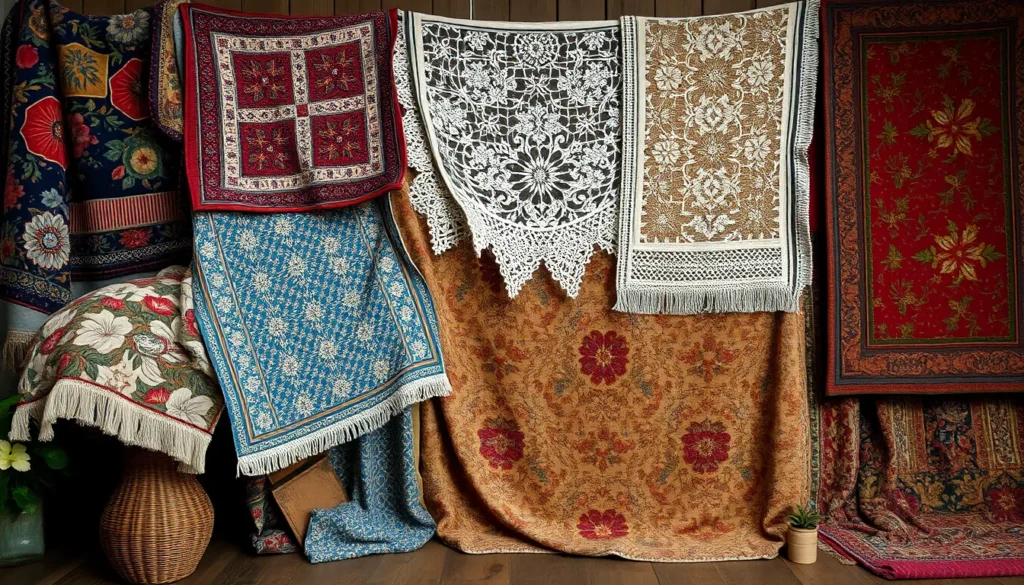
Vintage textiles offer a captivating glimpse into the past, weaving together stories of culture, artistry, and craftsmanship. Each piece carries a unique history, reflecting the trends and techniques of its time. From intricate lacework to bold prints, these fabrics showcase the creativity and skill of artisans who poured their hearts into their work.
As collectors and enthusiasts seek out these treasures, vintage textiles have become increasingly sought after for both their aesthetic appeal and their sustainable qualities. Incorporating them into modern design not only adds character to spaces but also honors the legacy of textile arts. Exploring the world of vintage textiles reveals a rich tapestry of inspiration waiting to be discovered.
Overview of Vintage Textiles
Vintage textiles encompass a diverse range of fabrics and techniques that reflect distinct historical periods. Each piece showcases unique craftsmanship and cultural narratives, often embodying significant trends in design and fashion. Popular categories include:
- Lace: This intricate fabric finds its roots in the 15th century, featuring delicate patterns that signify wealth and artistry.
- Quilts: Quilts, originating in the 18th century, demonstrate both utility and creativity, often made from scraps of fabric representing family histories.
- Indigo-dyed fabrics: These textiles often showcase bold, vibrant colors derived from natural indigo plants, popular in various cultures around the globe.
- Brocade: Known for its luxurious, ornate patterns, brocade dates back to the Byzantine period and often incorporates gold or silver threads, reflecting opulence.
- Tapestries: Tapestries serve as artistic wall hangings, with narratives woven into them, often depicting historical or mythological themes.
The growing appreciation for vintage textiles is evident in their incorporation into modern design. Designers frequently blend these timeless fabrics with contemporary styles, creating visually striking environments. Collectors seek out vintage textiles not only for their aesthetic appeal but also for their sustainable qualities, emphasizing the importance of resourcefulness through reuse. Each vintage textile offers a glimpse into the past, making them compelling choices for those looking to connect with history while enhancing their living spaces.
Types of Vintage Textiles
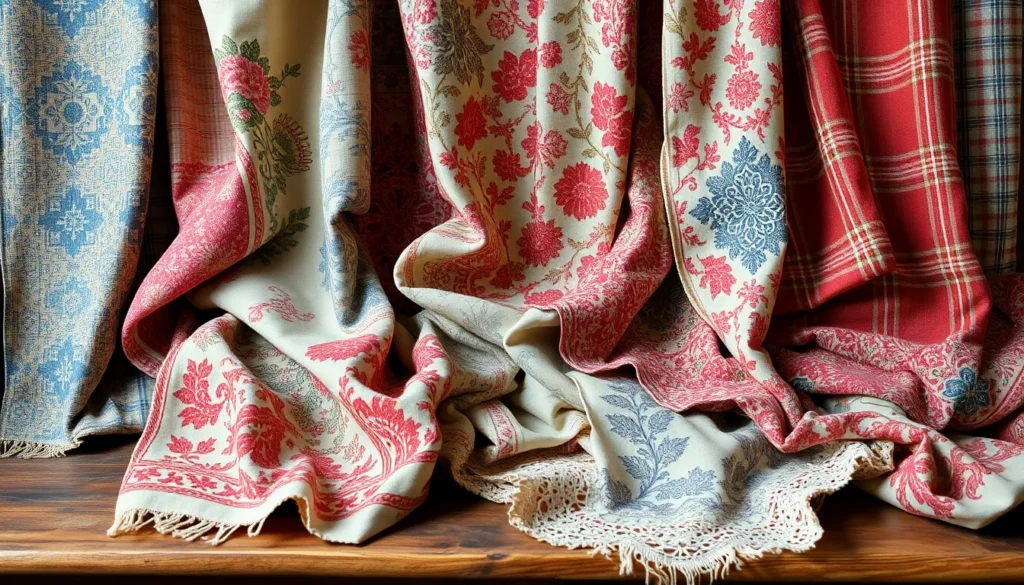
Vintage textiles encompass various materials and techniques that reflect their unique historical contexts. Understanding these categories enriches appreciation and informs collection choices.
Fabrics and Materials
- Linen: Linen, made from flax fibers, boasts durability and a crisp texture. It often appears in vintage tablecloths and clothing.
- Cotton: Cotton, widely used for quilts and prints, provides comfort and breathability. Patterns include calico and feedsack designs.
- Silk: Silk, prized for its sheen and softness, features prominently in vintage garments and accessories. It often highlights brocade designs, creating luxurious pieces.
- Wool: Wool, known for warmth, appears in vintage blankets and tapestries. Techniques such as weaving and felting showcase its versatility.
- Rayon: Rayon, a semi-synthetic fiber from cellulose, gained popularity in the early 20th century. Its silky appearance makes it a favorite in dresses and linings.
Techniques Used
- Weaving: Weaving, the process of interlacing threads, creates intricate patterns in textiles like tapestries and rugs. Techniques include plain weave, twill, and satin weave.
- Embroidery: Embroidery, an ornamental technique, enhances textiles with decorative stitching. Styles range from simple embroidery to elaborate cross-stitch designs.
- Printing: Printing involves applying designs onto fabric. Techniques such as block printing and screen printing enable diverse patterns on textiles.
- Dyeing: Dyeing adds color to textiles, with techniques including indigo dyeing and tie-dyeing. These methods impart unique aesthetics to vintage fabrics.
- Quilting: Quilting combines layers of fabric for warmth and artistry. Vintage quilts showcase diverse patterns and intricate stitching techniques.
These categories illustrate the rich tapestry of vintage textiles, offering insight into their craftsmanship and historical significance.
History of Vintage Textiles
Vintage textiles represent a rich tapestry of historical and cultural evolution. These pieces reflect the aesthetics, functionality, and craftsmanship of their times.
Regional Varieties
Regional varieties of vintage textiles showcase the diverse techniques and materials across different cultures.
- European Textiles: European regions produced distinct textiles, such as Scottish tartans and French toile fabrics, highlighting local traditions.
- Asian Textiles: Asian textiles include intricate silk brocades from China and vibrant ikats from India, demonstrating the artistry inherent in regional practices.
- African Textiles: African textiles, like kente cloth from Ghana and mud cloth from Mali, exemplify storytelling through color and pattern.
- Latin American Textiles: Latin American textiles feature handwoven pieces, often utilizing bright colors and traditional motifs, reflecting indigenous heritage.
- Native American Textiles: Native American textiles, such as Navajo rugs and Pueblo pottery, incorporate natural dyes and patterns symbolic of cultural narratives.
Cultural Significance
Cultural significance permeates the history of vintage textiles, revealing insights into societal values and practices.
- Symbolism in Patterns: Patterns often reflect cultural values, beliefs, and traditions, serving as a documentation of history and identity.
- Artisan Techniques: The methods used in textile production, from hand-weaving to dyeing, signify the importance of craftsmanship within various cultures.
- Status and Trade: Certain textiles functioned as indicators of status and wealth, influencing trade patterns and interactions between communities.
- Ceremonial Uses: Many vintage textiles served ceremonial purposes, showcasing artistry and significance in rituals and celebrations.
- Preservation of Heritage: Collecting and preserving vintage textiles aids in cultural heritage, keeping historical narratives alive for future generations.
Caring for Vintage Textiles
Caring for vintage textiles ensures their longevity and preserves their beauty. Proper cleaning, maintenance, and storage play crucial roles in maintaining these treasured pieces.
Cleaning and Maintenance
Cleaning vintage textiles requires gentle methods to prevent damage.
- Dry cleaning remains the safest option for delicate fabrics like silk and lace.
- Hand washing works well for sturdy textiles. Use cold, mild detergents, and avoid harsh chemicals that can degrade fibers.
- Spot cleaning helps address stains quickly. Blot the area gently with a damp cloth and a suitable cleaner, ensuring not to rub or scrub aggressively.
- Air drying is preferable over machine drying. Lay items flat on a clean towel or hang them in a shaded, well-ventilated area. Direct sunlight can cause fading.
Regular maintenance aids in preserving the fabric’s integrity. Gently rotate displays to avoid repeated exposure to light or wear on specific areas. Inspect textiles routinely for signs of deterioration such as fraying, discoloration, or insect damage.
Storage Tips
Proper storage contributes significantly to the longevity of vintage textiles.
- Use acid-free tissue paper for cushioned support. Fold textiles loosely with tissue to prevent creases and stress on fibers.
- Store in breathable fabric bags rather than plastic, as plastic can trap moisture and foster mildew.
- Keep in a cool, dry location, avoiding areas exposed to high humidity, such as basements or attics. Ideal temperatures range between 65°F and 72°F (18°C to 22°C).
- Limit exposure to light during storage, as UV rays can degrade colors and materials over time.
By following these cleaning and storage practices, those who cherish vintage textiles can maintain their beauty and historical significance for future appreciation.
Where to Find Vintage Textiles
Finding vintage textiles requires exploring various markets, shops, and online platforms that specialize in these unique pieces. Collectors and enthusiasts can discover a range of options, each offering distinct selections of historical fabrics.
Marketplaces and Shops
Local flea markets, antique stores, and specialty boutiques provide excellent opportunities to find vintage textiles. Many shops feature curated collections of textiles sourced from estates and auctions. Estate sales often yield rare pieces, while auctions may include textiles of significant historical value. Additionally, fabric stores that focus on eco-friendly or sustainable materials frequently carry vintage options. Networking at yarn festivals and textile fairs also exposes collectors to vendors specializing in vintage textiles, facilitating connections and unique finds.
Online Sources
Online platforms serve as convenient resources for sourcing vintage textiles. Websites like Etsy and eBay showcase numerous listings from individual sellers, allowing buyers to compare prices and assess quality. Specialized sites like Tasha McKelvey and ReVintage provide curated selections of carefully sourced textiles, ensuring authenticity and quality. Social media platforms, particularly Instagram, enable collectors to follow hashtags and accounts dedicated to vintage textiles, uncovering new sellers and unique pieces. Online forums and communities dedicated to textile preservation often share leads on trusted sources and upcoming sales.
Vintage textiles are more than just decorative items; they’re a bridge to the past. Each piece carries a narrative that reflects the artistry and cultural significance of its time. As collectors and designers embrace these fabrics, they not only celebrate their beauty but also contribute to sustainable practices in the design world.
The ongoing appreciation for vintage textiles ensures that these historical treasures remain relevant. By incorporating them into modern spaces, individuals honor the craftsmanship and stories woven into each thread. With proper care and a keen eye for sourcing, vintage textiles can continue to enrich lives and spaces for generations to come.