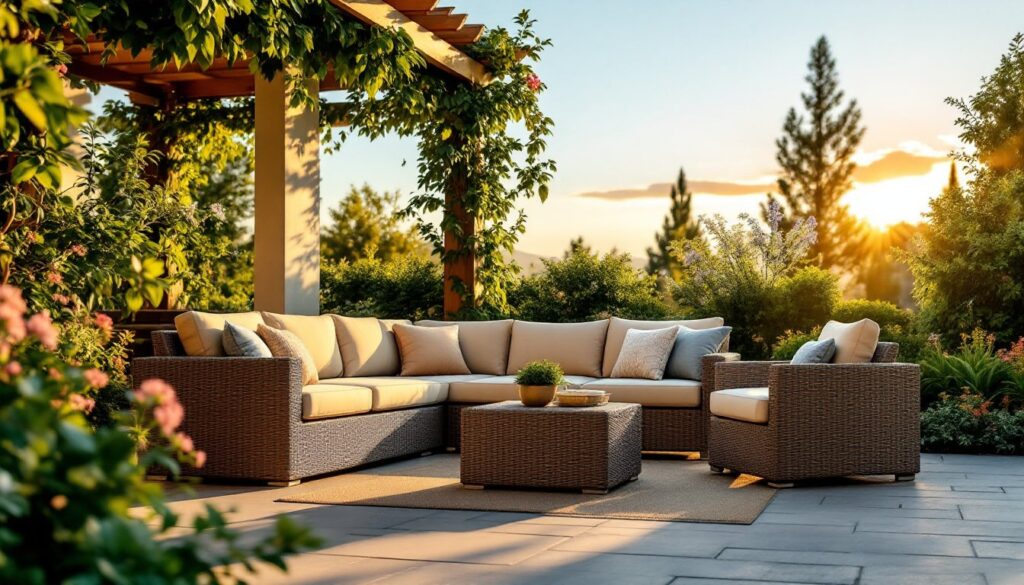
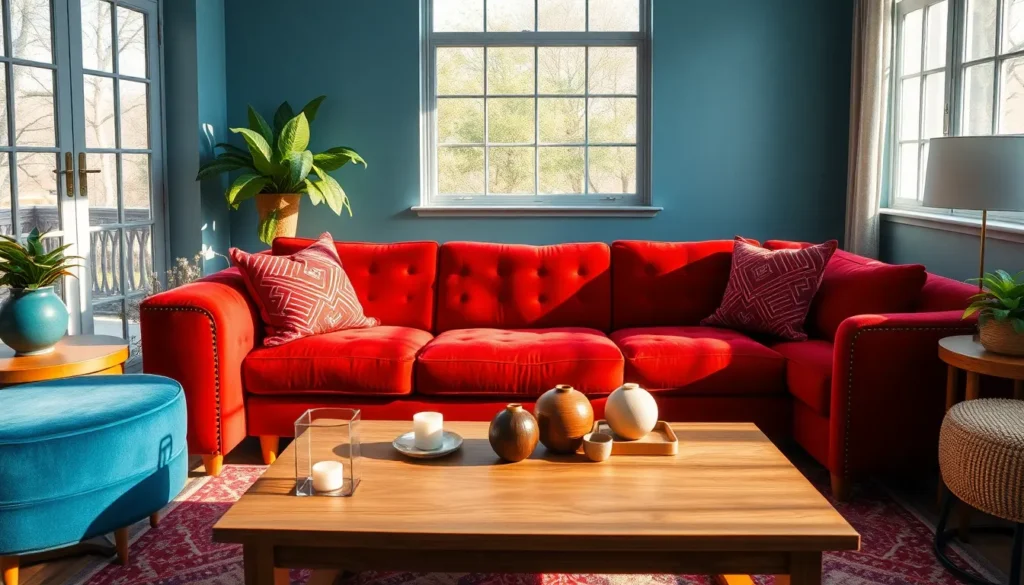
Upholstery fabrics play a crucial role in transforming spaces, adding both style and comfort to furniture. Whether it’s a cozy sofa or an elegant chair, the right fabric can elevate the overall aesthetic while ensuring durability. With countless options available, from luxurious velvets to practical cottons, choosing the perfect upholstery fabric can be both exciting and overwhelming.
Understanding the characteristics of different fabrics is essential for making informed decisions. Factors like texture, color, and maintenance requirements all contribute to the longevity and appearance of upholstered items. As trends evolve, so do the options, making it vital to stay updated on the latest fabrics that blend functionality with design. Explore the world of upholstery fabrics and discover how they can redefine any living space.
Overview of Upholstery Fabrics
Upholstery fabrics play a crucial role in furniture design, providing style and comfort in environments such as living rooms and offices. Various fabric types exist, each with distinctive characteristics that influence the overall aesthetic and functionality.
Types of Upholstery Fabrics
- Natural Fibers
Natural fibers include cotton, linen, wool, and silk. These materials often offer breathability, durability, and a soft feel.
- Synthetic Fibers
Synthetic fibers, such as polyester, nylon, and acrylic, are known for their durability and stain resistance. They withstand wear and tear, making them suitable for high-traffic areas.
- Blend Fabrics
Blend fabrics combine natural and synthetic fibers, providing an optimal balance of texture and durability. They often enhance the performance of upholstery without sacrificing style.
Characteristics of Upholstery Fabrics
- Texture
Texture impacts both the visual and tactile experience of upholstery. Fabrics range from smooth to coarse, affecting comfort levels and aesthetic appeal.
- Color
Color choices influence mood and ambiance within a space. Upholstery fabrics come in countless color options, enabling tailored designs for specific interior styles.
- Maintenance
Maintenance requirements vary between fabric types. Some fabrics demand regular cleaning, while others resist stains and require minimal upkeep.
Current Trends in Upholstery Fabrics
- Sustainable Materials
Sustainable upholstery fabrics, made from recycled or eco-friendly sources, gain popularity as consumers prioritize environmentally conscious options.
- Bold Patterns
Bold patterns, including geometrics and florals, make a significant impact in contemporary spaces, adding personality and visual interest.
- Textured Finishes
Textured finishes, such as boucle and chenille, enhance tactile sensations and elevate the overall design of furniture pieces.
Upholstery fabrics represent a diverse range of materials and styles. Understanding the types, characteristics, and trends ensures informed decisions when selecting fabrics that suit both functionality and aesthetic preferences.
Types of Upholstery Fabrics
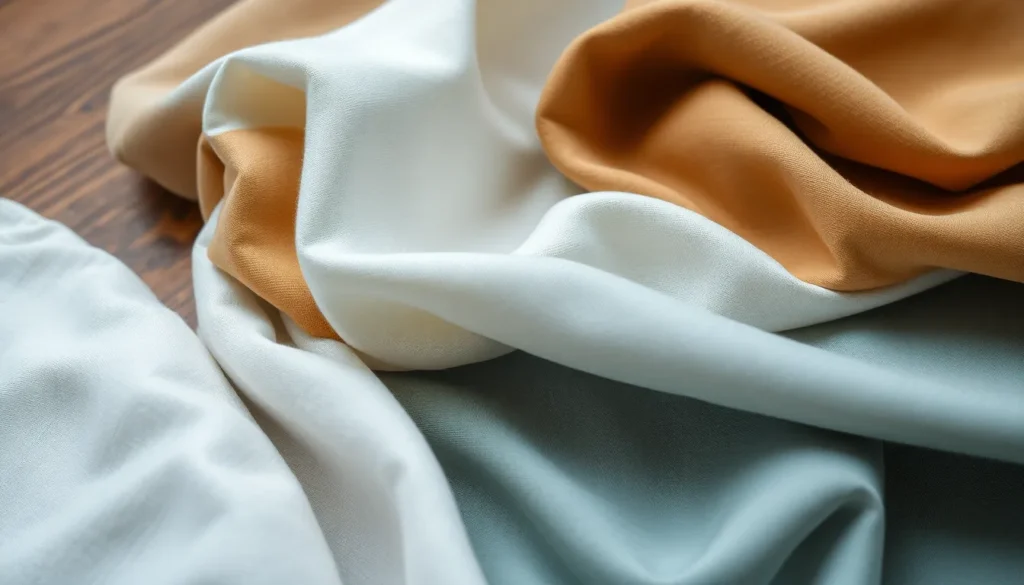
Upholstery fabrics can be categorized into natural fibers, synthetic fibers, and blends. Each type possesses distinct characteristics that affect durability, aesthetics, and maintenance.
Natural Fibers
Natural fibers are derived from plants or animals, offering unique qualities. Common natural fibers include:
- Cotton: Cotton boasts breathability and comfort, making it a popular choice for various upholstery applications. Its easy maintenance and versatility enhance its appeal.
- Linen: Linen is known for its texture and crisp appearance. It provides a luxurious feel but requires careful handling to avoid wrinkling.
- Wool: Wool offers excellent durability and resistance to stains. Its natural properties help in regulating temperature, adding warmth to upholstered items.
- Silk: Silk delivers elegance and sheen, elevating the aesthetic of any piece. However, it requires more delicate care and isn’t as durable as other options.
Synthetic Fibers
Synthetic fibers are manufactured from chemical processes, providing specific advantages for upholstery. Common synthetic fibers include:
- Polyester: Polyester is a highly durable material, resistant to wrinkling and fading. Its stain resistance makes it ideal for high-traffic areas.
- Nylon: Nylon is strong, elastic, and resistant to abrasion, making it suitable for various upholstery needs. It’s often combined with other fibers for enhanced performance.
- Acrylic: Acrylic mimics wool while offering superior resistance to moisture and mildew. Its vibrant colors and patterns maintain their appearance over time.
- Vinyl: Vinyl is a synthetic alternative to leather, providing longevity and easy maintenance. Its water-resistant properties enhance its practicality for furniture exposed to spills.
Factors to Consider When Choosing Upholstery Fabrics
When selecting upholstery fabrics, specific factors play a crucial role in ensuring satisfaction and longevity. Key considerations include durability and maintenance.
Durability
Durability defines how well a fabric withstands wear and tear over time. Look for upholstery fabrics rated for heavy use if furniture faces high traffic. Options like synthetic fibers, particularly polyester and nylon, offer strong resistance to fading, staining, and abrasion. Natural fibers like leather and high-quality wool also provide excellent durability, though they may require more care. When considering pattern or color, remember that darker shades may conceal dirt better than lighter ones, enhancing the fabric’s longevity.
Maintenance
Maintenance requirements significantly influence the practicality of upholstery fabrics. Fabrics such as cotton and linen need regular cleaning to maintain appearance and hygiene, while synthetic fibers often resist stains and require minimal upkeep. For ultimate ease, fabrics with a high thread count generally resist dirt accumulation. Fabrics treated with stain-resistant coatings add a layer of protection and can simplify cleaning routines. Always verify the care instructions and choose fabrics that align with the household’s lifestyle and needs.
Popular Upholstery Fabric Patterns and Textures
Distinct patterns and textures enhance the visual appeal and tactile experience of upholstery fabrics. Understanding these can significantly impact furniture design choices.
- Floral Patterns: Floral upholstery fabrics feature colorful flower designs, adding a vibrant and lively touch. They often suit traditional and romantic styles. Popular options include chintz and print fabrics.
- Geometric Patterns: Geometric upholstery fabrics utilize shapes, lines, and angles, offering a modern look. These fabrics work well in contemporary settings. Designs might include chevrons, stripes, or squares.
- Plaid and Check Patterns: Plaid and check patterns provide a classic aesthetic and a cozy feel. They often appear in rustic or farmhouse-style interiors. Fabrics like tartan and gingham fall into this category.
- Solid Textures: Solid fabrics in various colors offer versatility and simplicity. They complement intricate designs by providing a neutral backdrop. Common materials include cotton and linen.
- Textured Fabrics: Textured upholstery fabrics, like boucle or chenille, add depth and dimension. These materials create visual interest without busy patterns. They work well in both casual and formal settings.
- Stripes: Striped fabrics offer both vertical and horizontal lines, promoting a sense of height or spaciousness. They also contribute to a nautical or preppy theme, often seen in coastal designs.
- Animal Prints: Animal print fabrics bring a bold statement to any space. Common patterns include leopard or zebra designs, suitable for eclectic or adventurous décors.
- Abstract Patterns: Abstract upholstery fabrics incorporate artistic designs that may combine various elements. These fabrics inject creativity into modern interiors, appealing to those with a flair for the unconventional.
- Textiles with Embellishments: Upholstery fabrics featuring embroidered or appliqué elements provide a luxurious touch. These fabrics enhance elegance and sophistication, making them ideal for formal settings.
Selecting the right pattern and texture influences not only aesthetics but also the functionality of the furniture. Patterns and textures match personal style preferences while enhancing the comfort and usability of upholstered items.
Choosing the right upholstery fabric is vital for creating a space that’s both stylish and functional. With a wide range of options available from natural to synthetic fibers each with unique characteristics, it’s essential to consider durability and maintenance needs.
Staying current with trends can also enhance the overall aesthetic of a home. By selecting the right textures and patterns, individuals can express their personal style while ensuring comfort and longevity in their furniture. Ultimately, informed choices in upholstery fabrics can lead to a transformed living environment that reflects both taste and practicality.