
Table of Contents
ToggleBuilding a functional and comfortable bedroom starts with the right furniture. Whether you’re furnishing a room from scratch or refreshing an outdated setup, choosing bedroom furniture involves balancing style, durability, and budget. A well-planned bedroom furniture set reduces clutter, improves sleep quality, and creates a retreat from daily stress. This guide walks you through selecting essential pieces, evaluating quality, and arranging them for maximum comfort and function. You’ll learn how to avoid common mistakes and make smart choices that suit your space and wallet.
Key Takeaways
- A functional bedroom furniture set requires five core pieces: a bed frame, nightstands, dresser, mirror, and storage solutions tailored to your room size and daily needs.
- Choose quality bed frames with solid joinery, metal reinforcement, and a center rail to prevent sagging, and measure your room and doorways before purchasing to ensure the frame fits properly.
- Invest in bedroom furniture with practical storage features like full-extension drawers and soft-close hinges, and prioritize spending on pieces you use and see daily like the bed frame and main dresser.
- Strategic layout with adequate walking space (24+ inches per side), clear pathways, and proper mirror placement expands small rooms visually and improves both comfort and functionality.
- Mix and match furniture styles rather than buying matching bedroom sets, shop for sales (20-40% off), and consider secondhand pieces that can save 40-60% while maintaining quality solid wood durability.
Essential Bedroom Furniture Pieces Every Bedroom Needs
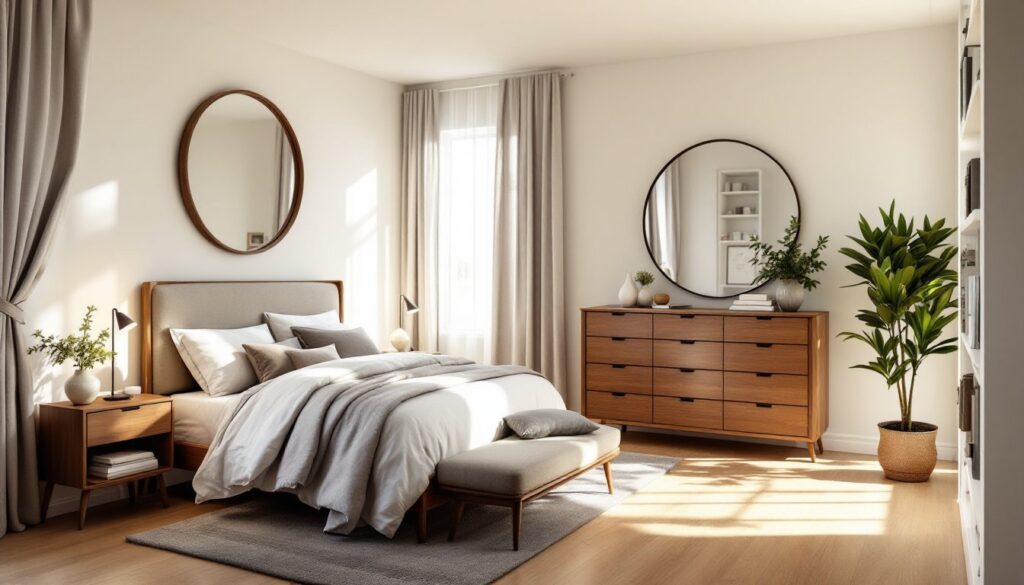
A solid bedroom furniture set includes five core pieces: a bed frame, nightstands, a dresser, a mirror, and storage solutions. The bed anchors the room and sets the style tone, it’s often the first purchase. Nightstands flanking the bed provide surfaces for lamps, books, and nighttime essentials within arm’s reach. A dresser serves double duty as storage and a display surface for personal items or decor. A mirror (whether mounted on a wall or part of the dresser) makes the room feel larger and is practical for daily routines. Additional storage like closet organizers or a low bench at the foot of the bed round out the fundamentals. Not every bedroom needs all these pieces, prioritize based on your room’s size and personal needs. A small bedroom might skip nightstands or use a single compact one: a larger master bedroom can accommodate a seating area or vanity. Start by listing what you actually use daily in your bedroom, then build the furniture plan around those activities.
Choosing the Right Bed Frame for Your Bedroom
The bed frame is the bedroom’s centerpiece and influences the overall aesthetic more than any other piece. Bed frames come in three main types: platform beds (solid surface, no box spring needed), traditional frames with box springs (more bounce, taller profile), and adjustable frames (electronic, good for side sleepers or health issues). Frame materials vary: solid wood (durable, classic), metal (sleek, modern, budget-friendly), upholstered (soft, contemporary), and engineered wood (affordable, lighter weight). Consider ceiling height, a tall bed frame with storage drawers underneath (common in queen and king sizes) saves space but requires adequate headroom. Mattress size matters too: twin (38″×75″) suits single sleepers or children’s rooms: full (54″×75″) fits two people snugly: queen (60″×80″) is the most popular choice for couples: king (76″×80″) offers maximum sprawl. Before buying, measure your room and doorways, a king-size frame may not fit through a standard door. Measure wall space too: a tall headboard against a 9-foot wall looks balanced, but the same headboard in a 8-foot room feels cramped. Quality bed frames typically have solid joinery (mortise-and-tenon joints, not just screws), metal reinforcement on corners, and a center rail to prevent sagging under a heavy mattress. Test the frame’s stability by applying pressure to corners and the center, it should not wobble or creak. Budget ranges widely: solid wood frames run $400–$1,500: metal frames $150–$600: platform beds $250–$1,200 depending on wood grade and finish.
Storage Solutions: Dressers, Nightstands, and Closet Organization
Storage is non-negotiable in a bedroom, poorly organized spaces feel chaotic and sleep-disrupting. A dresser is the workhorse storage piece, offering 4–6 drawers of space for clothing and personal items. Look for full-extension drawers (they slide all the way out, easing access) and soft-close hinges (they close gently, no slamming). Dresser depth varies: standard is around 18″–20″, which fits most bedroom layouts. Height ranges from 30″–40″: taller dressers hold more but look imposing in small rooms. Pair a dresser with a mirror mounted on top or on the wall behind it. Nightstands flank the bed and should match the bed frame’s height or be slightly shorter for easy reaching. A 24″–30″ height is standard. Choose styles with drawers (for remotes, medications, chargers) or open shelves (for a minimal look, but dust collects). Nightstands needn’t match exactly, asymmetrical pairs add modern character. Closet organization extends bedroom storage beyond freestanding furniture. Closet systems with shelving, rods, and bins multiply usable space without adding bulk to the room. If closets are tiny, a wardrobe or armoire (a standalone wooden cabinet) doubles as decor and functional storage, popular in modern and vintage-style bedrooms. Wall shelving above dressers or in corners uses vertical space efficiently. Cubbies or fabric bins under a bench seat hide off-season clothing or extra blankets. The key: choose pieces with realistic depth for your room and your actual clothing volume. Oversized dressers in tiny bedrooms create congestion: undersized ones get stuffed and sag.
Selecting Quality Materials and Finishes
Material choice affects durability, maintenance, and how furniture holds up over years of use. Solid wood (oak, maple, walnut, pine) is durable and repairable, dents and scratches can be sanded and refinished. Higher-grade hardwoods like walnut or cherry cost more but last decades. Softwoods like pine are less expensive but scratch and dent more easily. Engineered wood (plywood, MDF, particleboard) is lighter and cheaper but less repairable, once veneers peel or internal boards swell, replacement is often the only option. Engineered wood suits budget-conscious buys or temporary setups. Check for veneer quality: smooth, consistent grain without bubbles indicates good manufacturing. Upholstered pieces (fabric-covered headboards, ottoman benches) add softness but require vacuuming and spot-cleaning. Microfiber fabrics resist stains: natural linens age beautifully but stain easily. Metal frames (steel, aluminum) resist warping and support weight well: they’re ideal for platform beds or modern designs. Finishes matter: matte finishes hide dust and fingerprints: glossy finishes look polished but show every mark. Stained wood reveals grain but requires occasional refinishing. Painted finishes offer color flexibility but chip if the piece is moved frequently. Request finish samples if buying online, lighting in photos rarely matches reality. For durability, inspect joinery on dressers and nightstands: dovetail joints (interlocking wood pieces at drawer corners) outlast butt joints (simple overlapped wood). Drawer slides should be metal with ball bearings, not plastic, they’ll glide smoothly for years. Budget allocations: spend more on the bed frame and main dresser: save on secondary pieces like nightstands or accent furniture.
Layout and Arrangement Tips for Maximum Comfort
Arrangement determines how the room functions and feels. Start by identifying the room’s focal point, usually the wall where the bed’s headboard will go. Avoid placing the bed directly opposite a window: morning light disrupts sleep. If the room layout forces it, add blackout curtains. Leave at least 24 inches of walking space on either side of the bed: cramped layouts feel claustrophobic. Position nightstands on either side of the bed at the same height as the mattress top, reaching over awkward angles for a lamp is tiresome. Dressers typically go on a wall opposite the bed or perpendicular to it, depending on wall space. Ensure drawer clearance: a dresser in a tight corner won’t open fully. Mount mirrors to multiply light and visually expand small rooms, a mirror opposite a window reflects natural light throughout the day. If space allows, angle furniture slightly (45 degrees) rather than pushing everything flush against walls: this creates visual interest and makes rooms feel less institutional. In narrow bedrooms, position furniture to one side, leaving an open sight line to the opposite wall. This reduces the tunnel effect. Avoid centering heavy furniture on short walls: asymmetrical placement often looks more modern and functions better. For rooms under 100 square feet, choose multi-functional pieces: a dresser with a pull-out desk, a bed with built-in storage drawers, or a bench that doubles as a toy box. Layer rugs under the bed to define the sleeping zone and add warmth. Keep pathways clear, if you’re stumbling over furniture legs at night, rearrange.
Budget-Friendly Shopping Strategies
Quality bedroom furniture needn’t cost a fortune. Buy used strategically: solid wood dressers and bed frames hold value and are abundant at estate sales, Facebook Marketplace, or Craigslist. Inspect for bed bugs (check mattress seams and under frame crevices), water damage, or warping. Test drawers and joints. Used pieces often cost 40–60% less than new equivalents. Mix and match: a high-end bed frame pairs well with budget nightstands and a moderately priced dresser. Focus spending on pieces you see and use daily. Wait for sales: Black Friday, post-holiday sales, and end-of-season clearances drop prices 20–40%. Sign up for store newsletters for early sale alerts. Online vs. in-store: online retailers often undercut brick-and-mortar prices, but shipping large furniture is expensive, factor that in. In-store assembly is sometimes free: DIY assembly saves money but takes time. Discount chains like IKEA or Wayfair offer styles at lower price points, though longevity is shorter than solid wood furniture. Buy secondhand design, sites like young house love showcase budget bedroom makeovers with sourced and repurposed pieces that cost less than new suites. Avoid furniture “sets”: matching bedroom suites are marketed as savings but often include pieces you don’t need or want. Buying separate pieces lets you customize and often costs less. Check dimensions carefully: returns for oversized items are costly and inconvenient. Measure your room and doorways before committing. Negotiate on used items: many sellers expect haggling. If you’re buying multiple pieces, ask for a bundle discount. Set a realistic budget first, decide what you can spend on the bed, dresser, and nightstands, then stick to it. Resist the urge to buy “just one more” piece: prioritize your essentials.
Conclusion
A well-chosen bedroom furniture set transforms a sleeping space into a functional, restful retreat. Prioritize essential pieces, bed, dressers, nightstands, and choose materials that match your lifestyle and budget. Thoughtful arrangement and quality finishes maximize comfort and durability. Whether building your first bedroom or refreshing an outdated one, these principles guide smart choices that deliver years of use and satisfaction. Start with a clear plan, measure your space, and invest strategically in pieces that matter most.