Table of Contents
ToggleA small living room doesn’t mean sacrificing style or comfort, it just requires a smarter approach to furniture arrangement. Cramming too many pieces into a tight space creates clutter and makes the room feel even smaller, while thoughtful placement and the right scale of furniture can transform a compact space into something both functional and inviting. Whether you’re working with a studio apartment, a cozy cottage, or simply a modest living area, the strategy remains the same: measure carefully, choose appropriately scaled furniture, and arrange everything with intention. This guide walks you through the practical steps to maximize both style and usability in your small living room.
Key Takeaways
- Measure your space and create a floor plan before purchasing furniture to avoid buying pieces that won’t fit and ensure smart small living room furniture arrangement.
- Choose appropriately scaled furniture like loveseats (72 inches or fewer) and single accent chairs with exposed legs to prevent your small living room from feeling cramped and overcrowded.
- Establish a clear focal point—such as a TV, fireplace, or gallery wall—and arrange seating to face it rather than floating furniture, which creates a more intentional and spacious-feeling room.
- Build upward using tall bookcases, floating shelves, and wall-mounted storage to make the room feel taller and less boxed-in while keeping the floor clear.
- Maintain clear pathways of at least 24 to 30 inches throughout your space to ensure comfortable movement and prevent furniture from blocking doorways or windows.
- Layer multiple light sources, including corner floor lamps and wall sconces, and use mirrors strategically to reflect light and make your small living room feel brighter and larger.
Measure and Plan Before You Buy
The most common mistake in small living rooms is impulse-buying furniture without understanding the actual dimensions of your space. Grab a measuring tape and document the room width, length, and ceiling height. Measure doorways, windows, and any architectural features like fireplaces or built-in shelving. Write these numbers down, don’t rely on memory. Next, note where outlets, light switches, and HVAC vents are located: you’ll need to work around these when planning layout. Create a rough floor plan on paper or use free tools like Floorplanner or a simple sketch. Include the actual dimensions of any furniture you already own and mark the pieces you plan to add. This step saves money and frustration because you’ll know immediately whether that sectional will actually fit or whether a single armchair suits your space better. Spend 15 minutes on this foundation, and you’ll make far better purchasing decisions. When you’re ready to shop, bring your measurements and floor plan with you, or share photos with a salesperson to get honest feedback on scale and fit.
Choose the Right Furniture Scale
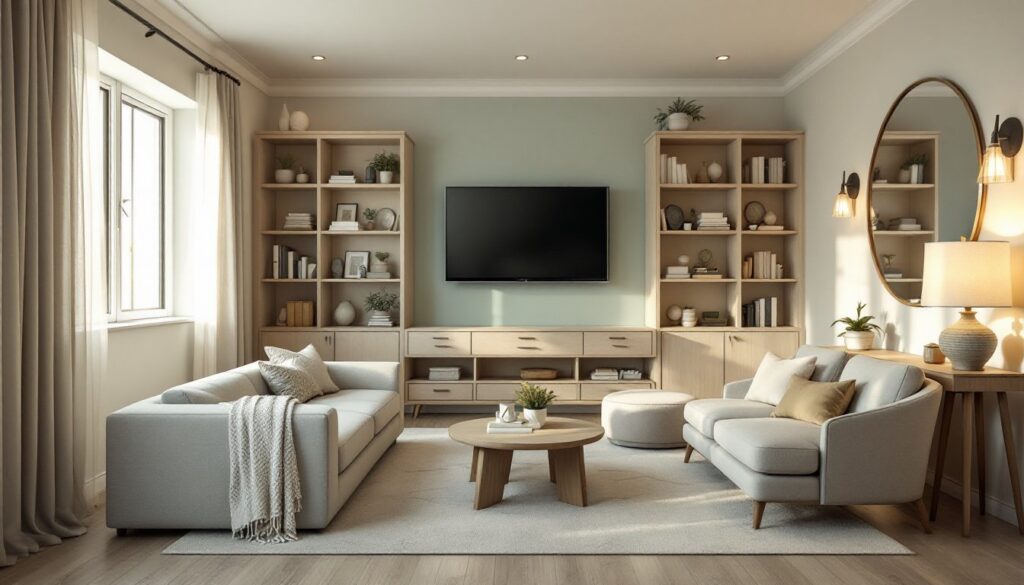
Oversized furniture is the arch-enemy of small living rooms. A bulky sectional meant for a 20-by-20-foot room will overwhelm a 12-by-14-foot space and make it feel cramped. Instead, look for pieces proportioned to your room’s actual size. A loveseat or apartment-scale sofa (often 72 inches or fewer in width) works better than a full sectional in most small rooms. Pair it with a single accent chair rather than two, and choose chairs with exposed legs, they create visual lightness compared to skirted or fully upholstered bases. Coffee tables should be no more than two-thirds the length of your sofa. A round or oval table takes up less visual space than a large rectangular one and allows easier traffic flow around the room. Consider space-saving furniture options like nesting tables, ottomans with hidden storage, or a media console that doesn’t extend wall-to-wall. Sectional sofas can work in small rooms if they’re truly compact, L-shaped configurations that fit snugly into a corner without protruding into the center are ideal. The key is restraint: every piece should earn its place by serving a function or providing genuine visual interest.
Create a Focal Point Without Clutter
Every room needs an anchor, a visual center of attention that organizes the space and gives the eye somewhere natural to land. In a small living room, your focal point is often the TV, a fireplace, a large window, or a piece of art. Arrange your main seating to face this focal point rather than floating furniture away from it. If you don’t have a natural focal point, create one with a gallery wall, a bold paint color on one wall, or a striking piece of furniture. Once you’ve chosen your focal point, build the rest of the room around it. Place the sofa opposite or perpendicular to it, and position secondary seating to reinforce that orientation. Avoid scattering furniture all over the room, this breaks up sightlines and makes the space feel fragmented and chaotic. Design inspiration from professional sources shows that rooms with a clear focal point feel larger and more intentional, even when square footage is limited. Keep the area around your focal point relatively clear: don’t clutter it with side tables, plants, or decor that competes for attention. This creates a visual breathing room that makes the entire space feel less cramped.
Use Vertical Space and Smart Storage
In a small living room, walls are your best friend. Instead of spreading furniture horizontally across the floor, push pieces against walls and build upward. Tall, narrow bookcases, floating shelves, and wall-mounted storage pull the eye upward and create the illusion of height, making the room feel less boxed-in. Wall-mounted TV stands or shelving save floor space compared to entertainment centers. Floating media consoles reduce the visual weight of a TV setup. Consider built-in shelving if you own the home or get landlord approval for rental situations. Ottomans and coffee tables with storage compartments hide blankets, remotes, magazines, and games without requiring extra floor space. A storage bench at the room’s entrance doubles as seating and a place to store seasonal items or guests’ coats. Furniture showroom professionals emphasize that storage furniture is non-negotiable in compact spaces, it prevents clutter from piling up on surfaces, which instantly makes a room feel smaller. Vertical storage also keeps the floor clear, which is psychologically important for making a small room feel open and breathable.
Arrange for Better Traffic Flow
Furniture arrangement should never force people to navigate an obstacle course to move through the room. Identify the main pathways: from the entry to the rest of the home, from the seating area to any windows, and between major zones if the room serves multiple purposes. Keep these pathways at least 24 to 30 inches wide, enough for someone to move comfortably without squeezing past the sofa. Don’t block doorways or windows with furniture, as this disrupts sightlines and makes the space feel smaller. Arrange seating to encourage conversation without creating a dead-center traffic jam. An L-shaped sofa and single chair angled slightly toward each other works well: a sofa facing a chair across a small table creates an intentional conversation zone without requiring furniture to fill every corner. Budget-friendly solutions often come in modular pieces that adapt to your traffic patterns, allowing you to rearrange as needs change. Leave at least one wall relatively open and uncluttered, this psychological breathing room makes the room feel less congested. When furniture is thoughtfully spaced for movement, the room automatically feels larger and more livable.
Layer Lighting to Open Up the Room
Poor lighting makes small spaces feel darker and more closed-in: smart lighting choices open them up. A single overhead fixture isn’t enough, layer in multiple light sources. Use design resources that show how task lighting, ambient lighting, and accent lighting work together to expand perceived space. Position floor lamps or table lamps in corners to brighten shadowy areas and lift the room visually. Wall sconces on either side of a focal point (like a TV or mirror) add depth without consuming floor or table space. Choose light fixtures with exposed bulbs or translucent shades rather than heavy or opaque designs, these feel less visually heavy. Mirrors reflect and amplify natural light, making the room feel brighter and larger: position a mirror opposite a window to bounce daylight throughout the space. Dimmers give you control over mood and make the room feel larger when set to warmer tones for evening relaxation. Avoid large, ornate light fixtures that overwhelm small rooms. Instead, opt for sleek, modern designs or vintage pieces with visual lightness. Warm white bulbs (around 2700K) create coziness in a small space without the institutional feel of bright daylight bulbs.
Conclusion
Arranging a small living room successfully comes down to intentional choices: measure first, choose appropriately scaled furniture, establish a clear focal point, maximize vertical space, respect traffic flow, and layer your lighting. There’s no one-size-fits-all solution because every small room has unique proportions, natural light, and purpose. Start with your measurements and floor plan, make one or two anchor purchases that fit your space, and build from there. The goal isn’t to cram in every piece you like, it’s to create a room that functions beautifully and feels open even though its modest footprint.