
As summer approaches, many look forward to splashing around in their backyard pools. However, ensuring a safe swimming environment goes beyond just maintaining water levels and temperatures. The right pool chemicals play a crucial role in keeping the water clean and free from harmful bacteria.
Choosing safe pool chemicals isn’t just about protecting swimmers; it’s also about safeguarding the environment. With a variety of options available, understanding which products are effective yet gentle can make all the difference. This article explores the best practices for selecting and using pool chemicals that prioritize safety without compromising on cleanliness.
Importance Of Safe Pool Chemicals
Safe pool chemicals play a critical role in maintaining a healthy swimming environment. They ensure that pool water remains sanitized, reducing the presence of harmful microorganisms. Proper chemical balance prevents issues like algae growth, ensuring clear water and enhancing the overall swimming experience.
Choosing safe pool chemicals protects swimmers from potential health risks, including skin irritations and respiratory issues. Many traditional pool chemicals contain harsh ingredients that can cause adverse reactions. By selecting safer alternatives, owners promote the well-being of all users, particularly children and individuals with sensitivities.
Environmentally friendly pool chemicals reduce negative impacts on surrounding ecosystems. Contaminants from pools can seep into soil and waterways, leading to ecological damage. Utilizing biodegradable or low-toxicity products minimizes this risk, encouraging a more sustainable approach to pool maintenance.
Regular testing of pool water is essential for optimal chemical management. Proper testing kits allow pool owners to monitor pH levels, chlorine concentration, and other important factors. By maintaining the right chemical balance, they enhance water quality and ensure a safer swimming environment.
Prioritizing safe pool chemicals not only supports swimmer health but also safeguards the environment. Adopting best practices in chemical selection and management fosters a cleaner, safer swimming experience for all.
Types Of Safe Pool Chemicals
Choosing appropriate pool chemicals enhances safety while maintaining clean water. Various alternatives are available that prioritize swimmer health and ecological well-being.
Chlorine Alternatives
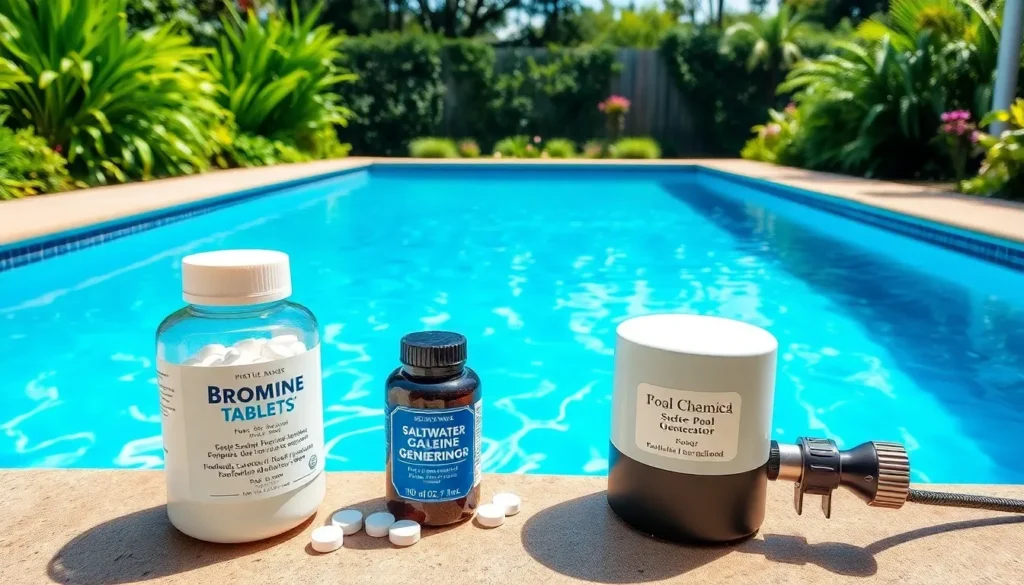
Bromine serves as a popular chlorine alternative. It effectively sanitizes water and tends to be gentler on skin, making it suitable for indoor pools. Another option, saltwater systems, generate chlorine through the electrolysis of salt, providing a more natural and less harsh sanitizing method. Additionally, the use of UV light pools offers a physical disinfection method by destroying bacteria and viruses without adding chemicals. These alternatives reduce irritation and offer a safer experience for sensitive swimmers.
Enzymes And Minerals
Enzymatic pool cleaners break down organic matter, such as body oils and debris, reducing the need for harsh chemicals. These enzymes can keep pool water clear and reduce cloudiness, ultimately leading to lower chemical usage. Mineral sanitizers, utilizing elements like copper and silver, provide a supplementary approach for sanitization. They target algae and bacteria, often resulting in softer water that feels pleasant for swimmers. Both enzymes and minerals contribute to a cleaner pool environment while minimizing chemical reliance.
Benefits Of Using Safe Pool Chemicals
Safe pool chemicals offer significant advantages for both swimmers’ health and environmental conservation. By selecting appropriate products, pool owners can maintain a clean and enjoyable swimming experience.
Health Benefits
Using safe pool chemicals minimizes the risk of chemical-related health issues. Chemicals that are low in toxicity reduce skin irritation and allergies, especially for children and individuals with sensitivities. Alternatives like bromine and saltwater systems generate fewer harsh byproducts, promoting a more comfortable swimming environment. Safe pool chemicals also help maintain balanced pH levels, preventing eye irritation and respiratory problems associated with high chlorine levels. Regular monitoring and the use of gentle products enable a healthier aquatic space for everyone.
Environmental Impact
Safe pool chemicals contribute to ecological preservation. Biodegradable and low-toxicity products minimize the release of harmful substances into local water systems, promoting water quality. Using mineral sanitizers, which harness elements like copper and silver, reduces the need for traditional chemicals that can burden ecosystems. Furthermore, safe pool maintenance practices protect wildlife and natural habitats, supporting biodiversity. By opting for environmentally friendly pool alternatives, owners enhance their commitment to sustainability while ensuring cleanliness in their pools.
How To Choose Safe Pool Chemicals
Choosing safe pool chemicals involves careful consideration of product labels and ingredient compositions. Ensuring safety for swimmers and the environment requires a diligent approach.
Reading Labels
Reading labels on pool chemical products is essential for making informed decisions. Labels provide crucial information like usage instructions, precautions, and safety guidelines. Check for certifications from regulatory agencies, which indicate compliance with safety standards. Note the hazard symbols that can signal potential risks. Opt for products labeled as “non-toxic,” “biodegradable,” or “environmentally friendly” to enhance safety for users and aquatic life.
Understanding Ingredients
Understanding the ingredients in pool chemicals helps identify safe options. Familiarize oneself with common terms such as “chlorine-free,” “bromine,” and “saltwater” technologies. Recognize harmful ingredients like phosphates, which can promote algae growth, and harsh surfactants that may irritate skin. Investigate natural alternatives, such as enzymes and mineral sanitizers, which provide effective sanitization with less risk. Prioritize products with formulations known for gentle impacts on health and environmental profiles.
Choosing safe pool chemicals is essential for creating a healthy swimming environment. By prioritizing low-toxicity and biodegradable options, pool owners can protect both swimmers and the ecosystem. Regular testing and proper management of pool water ensure optimal safety and comfort, particularly for children and those with sensitivities.
Exploring alternatives like saltwater systems and enzymatic cleaners can further enhance the swimming experience while minimizing harmful chemical exposure. Embracing these practices not only promotes cleaner water but also supports a commitment to environmental sustainability. Safe pool chemicals make a significant difference in maintaining a refreshing and enjoyable pool for everyone.