
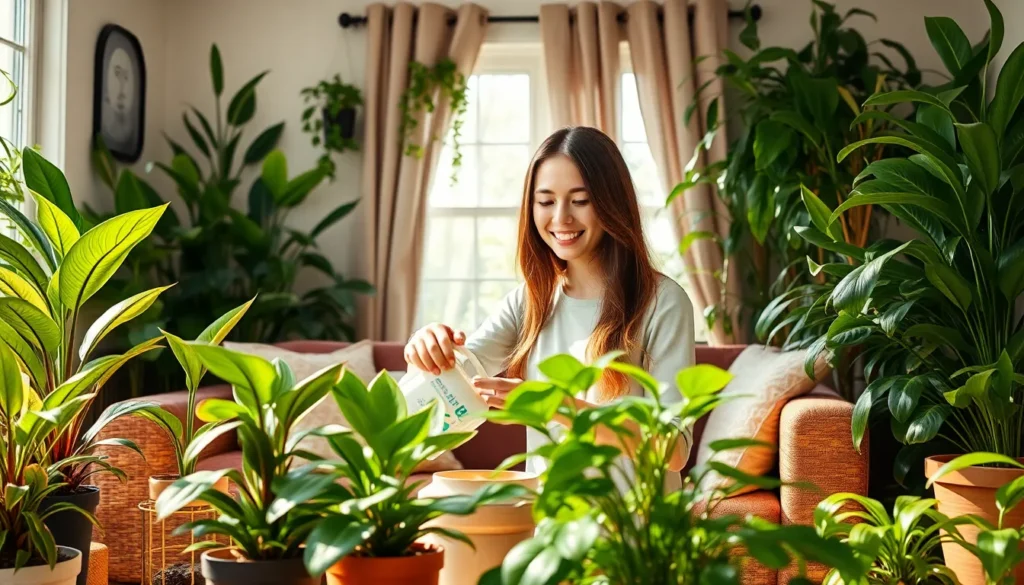
Indoor plants have become more than just decorative items; they transform living spaces into vibrant sanctuaries. As people seek to bring nature indoors, these green companions not only enhance aesthetics but also improve air quality and boost mood. With a variety of options available, anyone can find the perfect plant to suit their lifestyle and environment.
Incorporating indoor plants into home or office spaces offers numerous benefits. They create a calming atmosphere, promote creativity, and even reduce stress levels. Whether it’s a low-maintenance succulent or a lush fern, the right plant can breathe life into any room. As the trend of indoor gardening continues to grow, understanding the best practices for caring for these plants becomes essential for both novice and experienced plant lovers alike.
Benefits Of Indoor Plants
Indoor plants offer numerous advantages, contributing to both physical well-being and emotional health. Incorporating a variety of plants into living spaces can create a more vibrant and inviting environment.
Improved Air Quality
Indoor plants enhance air quality by absorbing carbon dioxide and releasing oxygen, creating a cleaner atmosphere. Species like the snake plant and peace lily efficiently filter common indoor pollutants, including formaldehyde and benzene. NASA’s Clean Air Study highlights that a few plants can significantly reduce airborne toxins, making the air healthier to breathe.
Enhanced Aesthetics
Indoor plants elevate the visual appeal of any space, adding color and texture. They serve as natural decor elements, complementing furniture and design. Ferns, succulents, and flowering plants can transform dull corners into lively focal points. Incorporating various sizes and types fosters an inviting ambiance, aligning with personal style preferences.
Psychological Benefits
Indoor plants contribute positively to mental health. Studies demonstrate that being around greenery reduces stress levels and boosts mood. The presence of plants can enhance focus and productivity, particularly in workspaces. Engaging in plant care activities, such as watering and pruning, promotes mindfulness, providing a therapeutic outlet for many individuals.
Types Of Indoor Plants
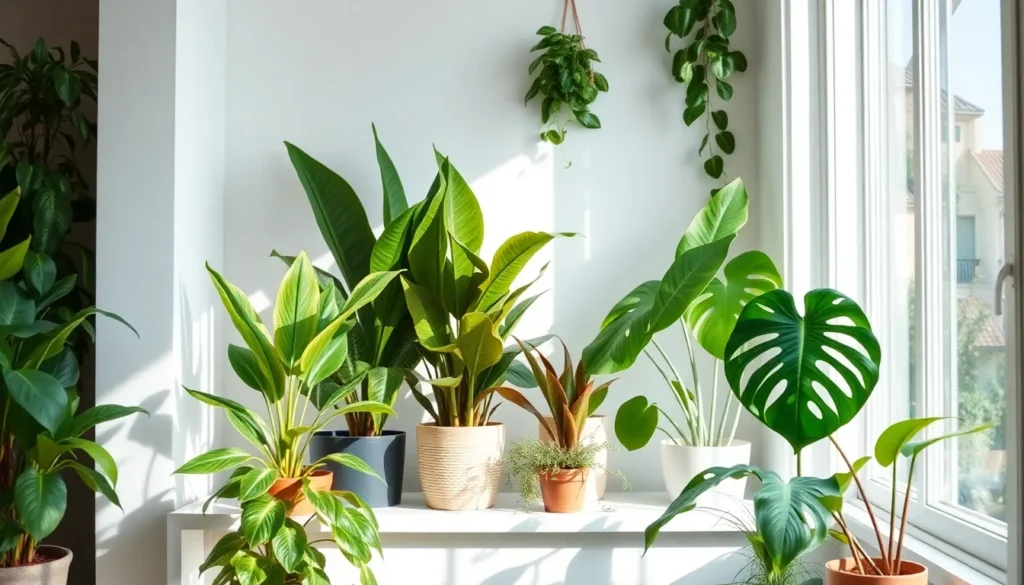
Indoor plants come in various types, each offering unique benefits and aesthetics. Understanding these categories helps in selecting the right plants for specific living spaces.
Low-Maintenance Options
Low-maintenance indoor plants require minimal care, making them suitable for busy individuals. Examples include:
- Snake Plant: Tolerates low light and infrequent watering.
- Pothos: Thrives in various lighting conditions and adapts easily.
- ZZ Plant: Survives in neglect with low water and light needs.
- Cast Iron Plant: Resists adverse conditions; ideal for forgetful gardeners.
Air-Purifying Plants
Certain indoor plants excel at improving air quality by filtering toxins and releasing fresh oxygen. Notable examples are:
- Peace Lily: Removes formaldehyde, benzene, and ammonia from the air.
- Spider Plant: Effective against carbon monoxide and xylene.
- Boston Fern: Absorbs pollutants while adding humidity to the environment.
- Areca Palm: Known for its ability to humidify air and filter toxins.
Decorative Plants
- Fiddle Leaf Fig: Features large, glossy leaves; a statement piece in any room.
- Rubber Plant: Offers rich green foliage; versatile for different decor styles.
- Orchids: Provide striking flowers and elegance; ideal for bright spaces.
- Bamboo Palm: Adds a touch of tropical flair while being low-maintenance.
Care Tips For Indoor Plants
Indoor plants thrive with the right care. Following specific guidelines ensures their health and longevity.
Watering Guidelines
Watering frequency depends on plant type, size, and environment. Most indoor plants prefer slightly dry soil between watering. Check the top inch of soil—if it feels dry, it’s time to water. Use lukewarm water to avoid shocking the roots. Ensure proper drainage to prevent root rot; avoid letting pots sit in standing water. For high-humidity plants like ferns, misting enhances moisture levels.
Light Requirements
Light conditions vary widely among indoor plants. Some thrive in bright, indirect light, while others prefer low-light environments. Place plants close to windows but shield them from harsh sunlight to avoid leaf scorch. Rotate pots every few weeks for even growth. Monitor plants for signs of too little or too much light—yellowing leaves may indicate an issue. Adjust positioning accordingly based on specific plant needs.
Pest Management
Indoor plants can attract pests such as aphids, spider mites, and mealybugs. Regularly inspect leaves for signs of infestations. Use insecticidal soap or neem oil to treat affected areas. Introducing beneficial insects like ladybugs helps control pest populations naturally. Keeping plants clean by wiping leaves with a damp cloth prevents dust buildup and deters pests. Quarantine new plants for a few weeks before introducing them to avoid spreading pests.
Choosing The Right Indoor Plants
Selecting the right indoor plants involves considering various factors, including space, light availability, and personal interests.
Assessing Your Space
Evaluating indoor space is crucial for choosing appropriate plants. Understanding the size of the area helps determine plant scale; larger plants suit spacious rooms, while smaller varieties fit tighter spaces. Assessing light levels is also important; low-light environments benefit from plants like pothos and ZZ plants, while bright spaces accommodate light-loving species like succulents and fiddle leaf figs. Additionally, consider placing plants in designated zones, creating clusters that reflect common themes or colors.
Understanding Plant Needs
Understanding specific requirements ensures plants thrive. Each species demands different watering frequencies; for instance, succulents require minimal watering, while tropical plants may prefer more moisture. Light conditions vary; some plants thrive in direct sunlight, such as cacti and succulents, while others flourish in indirect light, like snake plants and peace lilies. Temperature preferences also matter; most indoor plants prefer temperatures between 65°F and 75°F. Recognizing these needs allows for more informed decisions about plant selection.
Personal Preferences
Personal preferences significantly influence plant choices. Some may favor low-maintenance plants, opting for resilient varieties like spider plants and pothos. Others may seek flowering species for added color, such as orchids and bromeliads. Aesthetic choices also come into play; selecting plants with diverse foliage can enhance visual appeal. Additionally, consider any allergies; individuals sensitive to pollen might choose non-flowering plants. Aligning options with preferences leads to a satisfying indoor gardening experience.
Indoor plants have become essential elements in modern living and working spaces. Their ability to enhance air quality and create aesthetically pleasing environments contributes to overall well-being. By selecting the right plants and understanding their care requirements, anyone can enjoy the numerous benefits these green companions offer.
As the trend of indoor gardening continues to flourish, it’s clear that incorporating plants into daily life not only beautifies spaces but also fosters a healthier and more mindful lifestyle. Embracing the world of indoor plants can lead to a more vibrant and peaceful home, making it a rewarding endeavor for all.