Owning a pool is like having a personal paradise in your backyard, but let’s face it—keeping that oasis sparkling clean can feel like a full-time job. From skimming leaves to balancing chemicals, pool maintenance isn’t just a splash of fun; it can also take a bite out of your wallet. So, how much is this watery affair really going to cost?
Before diving into the numbers, it’s essential to understand what goes into maintaining that shimmering blue expanse. Whether you’re a DIY enthusiast or considering hiring a pro, knowing the costs involved can save you from sinking into a pool of unexpected expenses. Get ready to float through the essentials of pool upkeep and discover just how much you’ll need to budget for your aquatic retreat.
Understanding Pool Maintenance Costs
Understanding the costs associated with pool maintenance helps in effective budgeting. Various expenses factor into swimming pool upkeep.
Initial Installation and Setup Costs
Initial installation costs vary widely depending on pool type and features. On average, inground pools range from $35,000 to $65,000, including excavation, materials, and labor. Buying above-ground pools costs between $1,500 and $15,000 based on size and design. Upfront setups require additional expenses for decking, fencing, and electrical work, often totaling $5,000 to $15,000. Homeowners must also consider permits, which can add $200 to $2,000. Comprehensive planning minimizes unexpected financial challenges.
Ongoing Maintenance Expenses
Ongoing maintenance expenses encompass regular cleaning, chemical balancing, and equipment upkeep. Homeowners pay approximately $80 to $150 monthly for professional services. Costs significantly vary if maintenance tasks are DIY, with supplies averaging $300 to $600 yearly. Chemicals like chlorine and pH balancers often reach $150 to $400 annually. Homeowners also face utility expenses from water and electricity bills, which add another $300 to $800 yearly. Regular inspections and equipment repairs further contribute, averaging $300 annually. Budgeting for these ongoing expenses ensures a well-maintained pool year-round.
Factors Influencing Pool Maintenance Prices
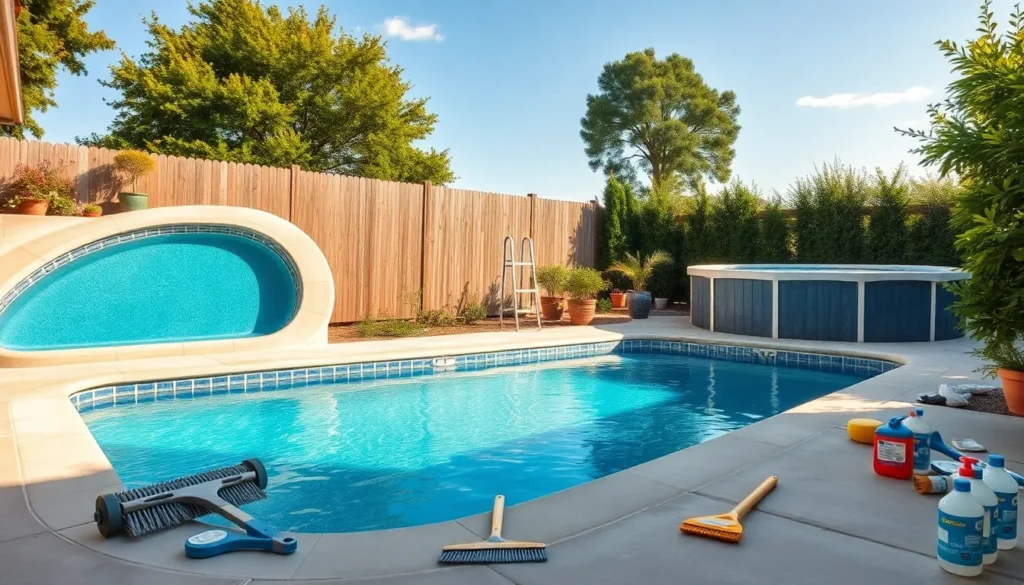
Various factors influence pool maintenance prices, making it crucial for owners to understand these elements for effective budgeting.
Pool Type and Size
Pool type significantly impacts maintenance costs. Inground pools tend to require more upkeep compared to above-ground pools. Larger pools increase maintenance demands, as they require more chemicals and energy for filtration. Concrete and fiberglass pools may incur higher repair costs due to their material characteristics. Installation features like waterfalls and additional equipment also contribute to expenses. Smaller pools generally need fewer resources but still require consistent maintenance for optimal performance.
Location and Climate
Location affects maintenance expenses considerably. Pools in warmer climates often face higher chemical usage due to increased evaporation and algae growth. Coastal areas may require more frequent cleanings due to debris and saltwater exposure. In regions with freezing temperatures, winterizing expenses can add to overall maintenance costs. Local regulations and availability of pool services may also impact pricing, with urban locations frequently having higher service fees than rural areas. Understanding these nuances helps pool owners anticipate annual maintenance budgets effectively.
Typical Routine Maintenance Tasks
Regular pool maintenance ensures water clarity and safety. Routine tasks vary in frequency and complexity but are essential for upkeep.
Cleaning and Skimming
Cleaning and skimming help maintain pool aesthetics and health. Skimming removes leaves, insects, and debris from the surface each week. Vacuuming is necessary to clean the pool floor, typically performed every one to two weeks. Brushing the walls reduces algae buildup. Equipment, like leaf nets and pool vacuums, aids these tasks. Maintaining a clean environment helps improve water quality and extends the life of pool fixtures.
Chemical Balancing
Chemical balancing keeps pool water safe and pleasant. Checking pH levels, chlorine concentrations, and alkalinity weekly is crucial. Proper pH typically ranges from 7.2 to 7.8; free chlorine should remain between 1 to 3 ppm. Adjust chemicals when levels deviate from these ranges. Regular testing ensures water remains sanitized and clear. Staying consistent with these adjustments reduces the risk of algae growth and irritants in the water.
Costs of Common Pool Repairs
Pool repairs can arise unexpectedly, often leading to significant expenses. Understanding the costs associated with common repairs assists pool owners in preparing their budgets.
Equipment Replacement
Equipment replacement represents a notable part of pool repair costs. Pumps, filters, and heaters typically experience wear over time. Budgeting for a pump replacement costs between $300 and $800. Filter replacements may range from $200 to $500. Heaters, depending on type and efficiency, can result in expenses from $500 to $2,000. Regular maintenance of these components helps extend their lifespan and reduce long-term costs.
Structural Repairs
Structural repairs often incur higher expenses than equipment issues. Cracks in plaster or fiberglass may necessitate resurfacing, usually costing between $1,500 and $5,000. Tile replacement involves costs of around $1,000 to $3,000, depending on pool size and material. In cases of major issues, such as significant leaks or foundation damage, repairs could exceed $10,000. Addressing structural problems promptly minimizes the risk of further damage and higher repair costs.
Owning a pool brings joy but also demands careful financial planning and commitment to maintenance. By understanding the various costs associated with both routine upkeep and unexpected repairs, pool owners can make informed decisions that enhance their enjoyment while minimizing surprises. Regular maintenance tasks are essential for ensuring water quality and prolonging the lifespan of pool components.
With the right approach and budgeting strategies in place, maintaining a pool can be manageable and rewarding. Embracing the responsibilities of pool ownership ultimately leads to a more enjoyable and stress-free experience during those sunny days by the water.