
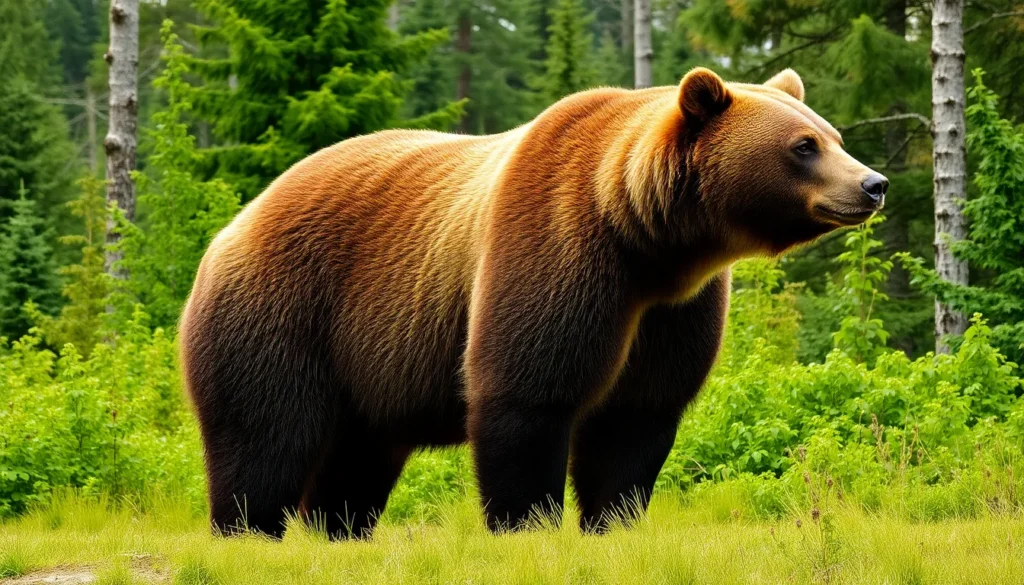
Grizzly bears are nature’s heavyweight champions, but just how much do these furry giants tip the scales? Imagine a creature that could easily out-bench press your gym buddy while still being adorable enough to steal your picnic basket. These magnificent mammals are not just big; they’re a blend of power and grace that leaves everyone in awe.
Overview of Grizzly Bears
Grizzly bears are among the largest bear species, known for their distinctive hump on the shoulders and a broad head. These animals typically weigh between 400 to 800 pounds, with males generally larger than females. Size fluctuations occur based on several factors, including age, food availability, and geographic location.
Adult male grizzlies can reach lengths of 6.5 to 8 feet when standing on all fours. In contrast, females usually measure between 5 to 7 feet. Weight can vary significantly due to seasonal changes; bears gain substantial weight during summer and fall in preparation for hibernation.
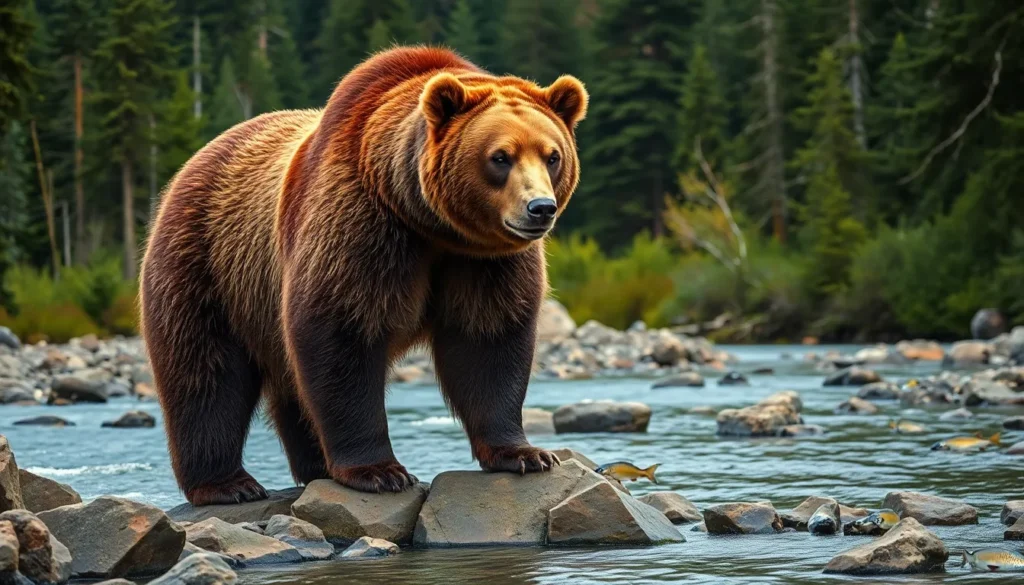
Habitat plays a crucial role in their physical development. those living in coastal regions tend to be heavier because of the abundant food supply, including salmon and other marine life. Inland bears usually rely on a varied diet, consisting of berries, roots, and small mammals, which can affect their overall mass.
The lifespan of grizzly bears in the wild ranges from 20 to 25 years, while zoo-dwelling individuals often live longer. These durations contribute to their growth, with younger bears typically weighing less than their fully matured counterparts.
They exhibit notable adaptations to their environments, showing agility despite their size. Grizzly bears have powerful limbs that enable them to climb trees and run at speeds up to 30 miles per hour. Their remarkable strength and size make them apex predators in their ecosystems, helping maintain the balance of their natural habitats.
Factors Influencing Grizzly Bear Weight
Grizzly bear weight fluctuates significantly due to various factors. Understanding these influences provides insight into their impressive size and growth.
Age and Size
Growth occurs rapidly in grizzly bears, especially during their first few years. Young bears reach substantial weights by maturity, which typically occurs around 4 to 6 years. Adult males generally outweigh adult females, often tipping the scales at 600 to 800 pounds compared to 400 to 600 pounds for females. Size differences can stem from genetics, with some bears consistently larger than others, regardless of gender. Lifespan plays a crucial role, as older bears experience weight fluctuations due to changes in metabolism and physical condition.
Diet and Nutrition
Diet importantly impacts grizzly bear weight. Bears primarily consume a varied diet, including berries, salmon, and roots, significantly influencing their health. Rich food sources lead to greater weight gain, particularly in coastal regions abundant in salmon. During summer, grizzlies enter a hyperphagic state, consuming large amounts of food in preparation for winter hibernation. Nutrition quality and quantity directly correlate with their overall size, so a nutritious diet effectively supports robust growth and development. Efforts in conservation also focus on maintaining healthy ecosystems to provide adequate food sources for these majestic animals.
Average Weight Range of Grizzly Bears
Grizzly bear weights vary significantly based on sex and environmental factors. Males typically weigh more than females, often showing distinct weight ranges between the two.
Male Grizzly Bears
Adult male grizzly bears tend to weigh between 600 to 800 pounds. These bears experience substantial growth, especially during their first few years, reaching maximum weight by around 4 to 6 years of age. Size increases with better food availability, particularly in coastal habitats, where males can gain more weight. Genetics play a significant role as well, determining the largest individuals, with some males exceeding 800 pounds. Seasonal changes impact weight; during summer, they put on fat reserves to prepare for winter hibernation.
Female Grizzly Bears
Female grizzly bears usually weigh between 400 to 600 pounds. Their growth pattern differs from males, often resulting in smaller sizes. Nutritional access is crucial, as females in food-rich areas grow larger than those in less favorable environments. The weight of adult females fluctuates with food sources, affecting their overall health and reproductive success. In addition, they typically reach maturity at a slightly later age compared to males. Maintaining a balanced diet, including berries and fish, influences their weight considerably.
Weight Variations by Region
Grizzly bear weight varies significantly between regions, influenced by habitat and food availability.
Coastal vs. Inland Grizzly Bears
Coastal grizzly bears tend to be heavier due to abundant food sources like salmon. Adults in these areas can weigh between 600 to 800 pounds, with some exceeding 800 pounds. Nutrient-rich diets support their substantial growth. Inland grizzly bears, however, typically weigh less, averaging 400 to 600 pounds. Limited food resources, such as nuts and roots, contribute to their smaller size. Size differences indicate how habitat affects their physical characteristics. Genetic factors may also play a role, but access to nutrient-dense diets remains a crucial factor.
Seasonal Weight Changes
Grizzly bears experience noticeable weight fluctuations across seasons. During summer months, they enter a hyperphagic state, consuming large quantities of food to build fat reserves for winter hibernation. This can lead to a weight gain of up to 200 pounds in a few months. In contrast, their weight decreases significantly during hibernation, as they use stored fat for energy. Seasonal variations also depend on geographic location; those in food-rich coastal areas tend to maintain higher weights year-round. Nutritional access directly impacts their health and reproductive success, illustrating the importance of seasonal dietary availability.
Grizzly bears are remarkable animals whose weight reflects their adaptation to diverse environments. Their impressive size and strength not only showcase their role as apex predators but also highlight the intricate balance of their ecosystems. Understanding the factors that influence their weight can help in conservation efforts and habitat preservation. As these majestic creatures continue to navigate the challenges of their habitats, their health and well-being remain closely tied to the availability of food resources. Protecting their natural environments is essential for ensuring that grizzly bears thrive for generations to come.