
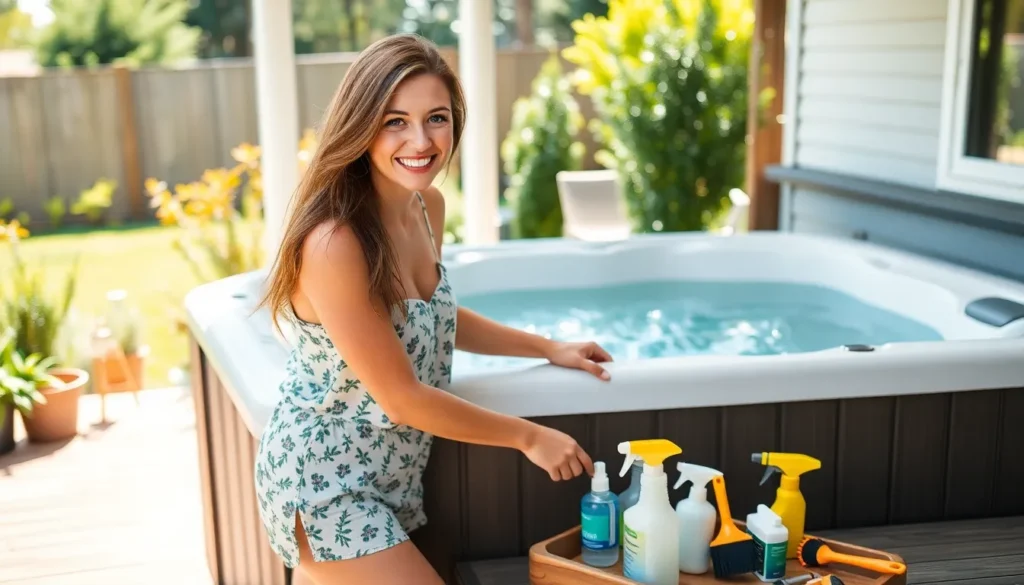
Hot tubs offer a perfect escape for relaxation and rejuvenation, but maintaining their pristine condition requires a bit of effort. Regular upkeep not only ensures a safe and enjoyable experience but also extends the lifespan of the tub. With the right knowledge and practices, anyone can keep their hot tub in top shape.
From water chemistry to cleaning routines, understanding the essentials of hot tub maintenance can seem overwhelming. However, breaking it down into manageable tasks makes it easier. By staying on top of these responsibilities, owners can enjoy their hot tub without the stress of unexpected issues. Dive into the world of hot tub upkeep and discover the tips and tricks that make maintenance a breeze.
Importance of Hot Tub Upkeep
Hot tub upkeep ensures safety, hygiene, and enjoyment. Regular maintenance prevents the buildup of bacteria and algae, reducing health risks for users. Proper care also prolongs the life of the hot tub, protecting an investment that provides relaxation and leisure.
Hot tub upkeep contributes to operational efficiency. Clean filters and balanced water chemistry enhance performance, leading to optimal heating and energy consumption. Regular checks for leaks and wear on equipment prevent costly repairs, further preserving the hot tub’s functionality.
Hot tub upkeep improves overall user experience. Maintaining the optimal temperature, clarity, and chemical balance creates a pleasant, inviting environment. Regular care ensures that users enjoy a soothing experience rather than dealing with unpleasant odors or itching skin caused by poor water quality.
Hot tub upkeep reflects responsible ownership. Proactive maintenance showcases commitment to cleanliness and safety, making the hot tub a welcoming space for friends and family. Establishing a consistent routine fosters a deeper appreciation for the relaxation that a well-maintained hot tub provides.
Routine Maintenance Tasks

Regular routine maintenance tasks keep a hot tub functioning optimally and ensure a safe, enjoyable experience for users. Owners must commit to specific actions to effectively manage their hot tub’s upkeep.
Water Testing and Treatment
Water testing and treatment contribute to the hot tub’s cleanliness and user safety. Owners should test water at least once a week using a reliable testing kit or strips to measure pH, alkalinity, and sanitizer levels. Ideal pH levels range from 7.2 to 7.8, and alkalinity should fall between 80 and 120 parts per million (ppm). Additionally, total chlorine levels should stay between 1 and 3 ppm, while bromine levels should remain between 3 and 5 ppm. If results fall outside these ranges, adjust chemicals accordingly. Regularly treating the water with appropriate sanitizers helps prevent algae growth and decreases the chance of bacterial infections.
Cleaning Filters and Surfaces
Cleaning filters and surfaces maintains water clarity and hygiene. Owners should inspect and clean the filters every month to remove debris and contaminants. Soak filters in a filter-cleaning solution for up to 24 hours, then rinse thoroughly before reinstallation. Surfaces require cleaning at least once a week using a gentle, non-abrasive cleaner. Wipe down the hot tub’s shell, steps, and surrounding area with a soft cloth or sponge to remove oils and contaminants. A well-maintained surface helps to prolong the life of the hot tub and enhances the overall user experience.
Checking and Balancing Chemicals
Checking and balancing chemicals is vital for maintaining water quality and safety. Owners should monitor chemical levels regularly, focusing on pH, alkalinity, and sanitizer concentrations. Adjustments may involve adding pH increasers or decreasers, sodium bicarbonate for alkalinity, or chlorine and bromine for sanitation. By ensuring these levels remain within the recommended ranges, owners minimize the risk of skin irritation or other health issues. Keeping a consistent balance promotes a comfortable and enjoyable experience while extending the longevity of the hot tub.
Seasonal Considerations
Seasonal changes significantly affect hot tub upkeep. Proper attention during these transitions ensures optimal performance throughout the year.
Preparing for Winter
Preparing a hot tub for winter is crucial. Owners must:
- Drain and clean: Completely drain the tub, clean surfaces, and remove debris. This step prevents algae growth.
- Disconnect the power: Turning off the power supply protects the electrical components from freezing damage.
- Insulate plumbing: Use foam covers or pipe insulation to safeguard against freezing temperatures.
- Cover securely: Invest in a high-quality, insulated cover to keep out snow, ice, and debris, maintaining heat retention.
Spring Startup Checklist
- Check equipment: Examine the pump, filter, and heater for wear or damage from winter exposure.
- Refill water: Fill the tub with fresh water, ensuring proper levels for optimal performance.
- Test chemical levels: Conduct water tests for pH, alkalinity, and sanitizer levels, adjusting as necessary to achieve balance.
- Clean filters: Rinse and replace filters if needed to maintain water clarity and circulation.
- Run the system: Power on the hot tub, allowing the system to function before use, ensuring all equipment operates efficiently.
Common Issues and Solutions
Hot tub owners may encounter a few common issues that require attention for optimal performance. Identifying and addressing these problems promptly ensures a safe and enjoyable experience.
Algae Growth and Prevention
Algae growth in hot tubs occurs due to inadequate sanitization and poor water chemistry. To prevent algae, owners should maintain a proper sanitizer level, ideally between 3-5 ppm for chlorine. Regularly testing water weekly offers insight into pH and alkalinity levels, which should remain within the following ranges: pH 7.2-7.8 and alkalinity 80-120 ppm. Ensuring adequate filtration by cleaning or replacing filters as recommended, typically monthly, aids in keeping the water clear. If algae blooms develop, shock the water with a chlorine or non-chlorine shock product to eradicate existing growth. Brushing the interior surfaces regularly and maintaining proper circulation can significantly reduce the risk of algae.
Leaks and Repairs
Leaks can compromise hot tub performance and lead to costly water loss. Common signs of leaks include visible water pooling around the tub or a drop in water level. Inspecting connections, fittings, and jets for signs of wear or damage is essential. If leaks are detected, sealing minor leaks with waterproof tape or adhesive can provide a temporary fix. In cases of significant leaks, contacting a professional technician to assess the plumbing system may be necessary. Regularly checking and tightening fittings during maintenance routines can prevent leaks from developing. Ensuring that the hot tub cover fits securely also helps minimize issues related to water loss.
Benefits of Professional Services
Engaging professional services for hot tub upkeep offers several advantages that enhance users’ experience and ease maintenance burdens.
- Expertise in Maintenance
Professionals possess specialized knowledge of hot tub systems, ensuring thorough inspections, proper repairs, and effective maintenance procedures. Their expertise minimizes errors and maximizes the lifespan of components.
- Comprehensive Cleaning
Professional services provide deep cleaning that goes beyond owner capabilities. Technicians use advanced tools and techniques to eliminate stubborn debris, algae, and bacteria, ensuring pristine water quality.
- Accurate Water Testing
Experts conduct precise water testing, allowing for accurate chemical balancing. They identify issues that might go unnoticed by untrained eyes, fostering a safe environment for users.
- Time-Saving Solutions
Hiring professionals alleviates the time demands of maintenance tasks. Owners can enjoy their hot tubs without worrying about the hassle of regular upkeep, affecting overall satisfaction.
- Risk Reduction
Professionals identify and fix potential issues before they escalate into significant problems. Addressing leaks and equipment wear proactively reduces potential safety hazards and costly future repairs.
- Seasonal Preparation
Professionals guide owners through seasonal transitions, ensuring hot tubs are adequately prepared for winter or summer usage. Their insights prevent damage from environmental factors, maintaining optimal performance year-round.
- Warranty Compliance
Utilizing professional services often aligns with warranty requirements. Regular maintenance from certified technicians helps maintain warranty validity, protecting the investment.
Engaging professional services streamlines hot tub upkeep, enhances safety, and ensures a consistently enjoyable user experience.
Regular hot tub upkeep is vital for ensuring a safe and enjoyable experience. By committing to routine maintenance tasks and staying proactive, owners can prevent common issues and extend the life of their investment. Seasonal preparations are crucial for optimal performance throughout the year.
Engaging professional services can further enhance maintenance efforts, providing expertise that simplifies the process and addresses potential problems before they escalate. With proper care and attention, a well-maintained hot tub can be a source of relaxation and joy for years to come.