

Home renovation can be an exciting yet daunting journey. Whether it’s a small update or a complete overhaul, the right approach can transform any space into a dream home. With countless options available, knowing where to start is essential for a successful project.
Planning is key to any renovation. It not only helps in setting a budget but also ensures that every detail aligns with the homeowner’s vision. From choosing the right materials to selecting a reliable contractor, each decision plays a crucial role in the outcome.
In this article, readers will discover practical tips and insights that can simplify the renovation process. With the right guidance, turning a house into a personalized haven becomes an achievable goal.
Essential Home Renovation Tips
- Set a Realistic Budget
Establish a comprehensive budget that covers all project aspects, including materials, labor, and unexpected costs.
- Prioritize Projects
Identify which areas or rooms require urgent attention and prioritize renovations accordingly.
- Research Materials
Investigate materials based on durability, maintenance, and cost. Select options that align with long-term goals.
- Hire Qualified Contractors
Choose licensed and insured contractors with credible references. Conduct interviews to assess their expertise and compatibility.
- Create a Detailed Timeline
Develop a timeline that outlines each renovation phase. Allow for flexibility to adjust as issues arise.
- Focus on Energy Efficiency
Incorporate energy-efficient solutions, like insulation and appliances, to enhance comfort and reduce utility costs.
- Seek Design Inspiration
Gather design ideas from magazines, websites, and home improvement shows. Consider personal preferences and lifestyle needs.
- Plan for Permits
Understand local building codes and obtain necessary permits before starting the renovation process to avoid legal complications.
- Stay Organized
Keep project documents, contracts, and receipts organized. This practice aids in tracking expenses and ensuring accountability.
- Communicate Regularly
Maintain open lines of communication with contractors and suppliers to address any concerns or changes promptly.
Planning Your Renovation
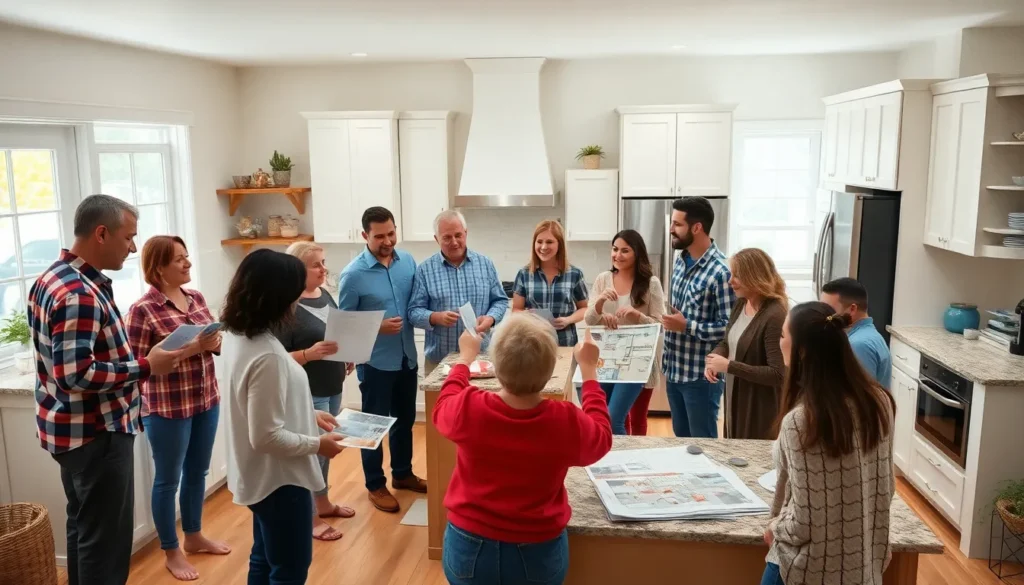
Planning a renovation involves careful preparation and strategy. It centers around key elements like budgeting and scheduling to ensure success.
Setting a Budget
Setting a budget requires identifying all costs associated with the renovation. Homeowners should account for materials, labor, permits, and unexpected expenses. For instance, an average kitchen remodel can range between $14,000 and $40,000, whereas a bathroom remodel might cost between $6,000 and $15,000. Establishing a budget not only provides a financial framework but also helps prioritize projects. Allocating at least 10-20% of the total budget for contingencies can mitigate potential overruns.
Creating a Timeline
Creating a timeline involves outlining each phase of the renovation. Homeowners should define milestones, such as design completion, demolition, and final inspections. A well-structured timeline helps coordinate tasks and contractor schedules, ensuring progress remains on track. For example, a complete bathroom renovation may take 4-6 weeks, while a kitchen remodel might extend to 8-12 weeks. Setting realistic deadlines, based on project scope and contractor availability, promotes efficiency and helps manage expectations throughout the renovation process.
Choosing the Right Materials
Selecting the right materials is crucial for a successful home renovation. Homeowners must consider factors like sustainability, cost, and durability to make informed choices.
Sustainable Options
Sustainable materials contribute to environmental preservation and often enhance the home’s value. Consider using materials like bamboo, reclaimed wood, and recycled metal. Bamboo grows rapidly, making it a renewable resource. Reclaimed wood adds character while reducing waste. Recycled metal provides durability in roofing and siding applications. Homeowners can also explore low-VOC paints and finishes, which improve indoor air quality.
Cost-Effective Alternatives
Cost-effective alternatives allow homeowners to achieve quality results without exceeding budgets. Opt for laminate countertops instead of natural stone, providing durability at a fraction of the cost. Vinyl flooring offers a similar aesthetic to hardwood while being budget-friendly and easy to maintain. While selecting appliances, energy-efficient options may cost more upfront but yield savings on utility bills. Additionally, using simpler fixture designs can minimize costs while enhancing the overall aesthetic.
Hiring Professionals vs. DIY
Homeowners often face the choice between hiring professionals and undertaking renovations themselves. This decision impacts the project’s quality, timeline, and overall cost.
Pros and Cons of Hiring Experts
Pros:
- Expertise: Professionals possess specialized knowledge and skills, ensuring high-quality work.
- Efficiency: Professionals complete tasks quickly, minimizing project duration.
- Warranty: Many contractors offer warranties, providing peace of mind if issues arise.
- Permit Handling: Professionals manage permits and inspections, streamlining the regulatory process.
Cons:
- Cost: Hiring experts typically involves higher labor expenses.
- Less Control: Homeowners may have limited oversight on aspects of the project.
- Schedule Constraints: Professionals work based on their availability, which may not align with homeowner timelines.
- Communication Gaps: Misunderstandings can occur without clear communication of expectations.
When to Tackle It Yourself
Homeowners should consider DIY when:
- Budget Constraints: DIY work reduces labor costs, making projects financially accessible.
- Simple Tasks: Small projects like painting or landscaping require minimal skills and tools.
- Personal Satisfaction: Many enjoy the fulfillment that comes from completing home improvement tasks.
- Time Flexibility: Homeowners with more time than money can spread tasks over several days or weeks.
Assessing these factors helps homeowners decide the best route for their renovation projects.
Maximizing Space and Functionality
Maximizing space and functionality in a home renovation enhances both comfort and usability. Focus on design choices that create an open atmosphere while incorporating smart storage solutions.
Open Concept Designs
Open concept designs remove barriers between living spaces, encouraging natural light flow and creating a spacious feel. Remove unnecessary walls to connect the kitchen, dining, and living areas, fostering a sense of community. Use large furniture pieces wisely to delineate spaces without creating visual separation. Incorporate multi-functional furniture like a dining table that doubles as a workspace or a sofa bed for guest accommodations. These choices enhance flexibility while maintaining a streamlined aesthetic.
Smart Storage Solutions
Smart storage solutions maximize efficiency and declutter living areas. Consider built-in shelving units that utilize vertical space and provide additional storage. Use under-stair compartments, which offer hidden storage without consuming floor space. Incorporate hidden cabinets in furniture, like ottomans or benches, to maintain a tidy appearance. Label storage boxes and bins for easy access and organization. Leveraging these strategies ensures that every inch contributes to the home’s functionality while keeping spaces organized and inviting.
Home renovation is a rewarding journey that can significantly enhance living spaces. By prioritizing planning and budgeting homeowners can avoid common pitfalls and ensure a smoother process. Selecting the right materials and considering energy efficiency not only elevates the home’s aesthetic but also supports long-term savings.
Whether choosing to hire professionals or tackle DIY projects understanding the nuances of each approach is crucial. Smart design choices maximize space and functionality creating an inviting atmosphere. With these tips in mind homeowners can confidently embark on their renovation journey transforming their houses into personalized havens.