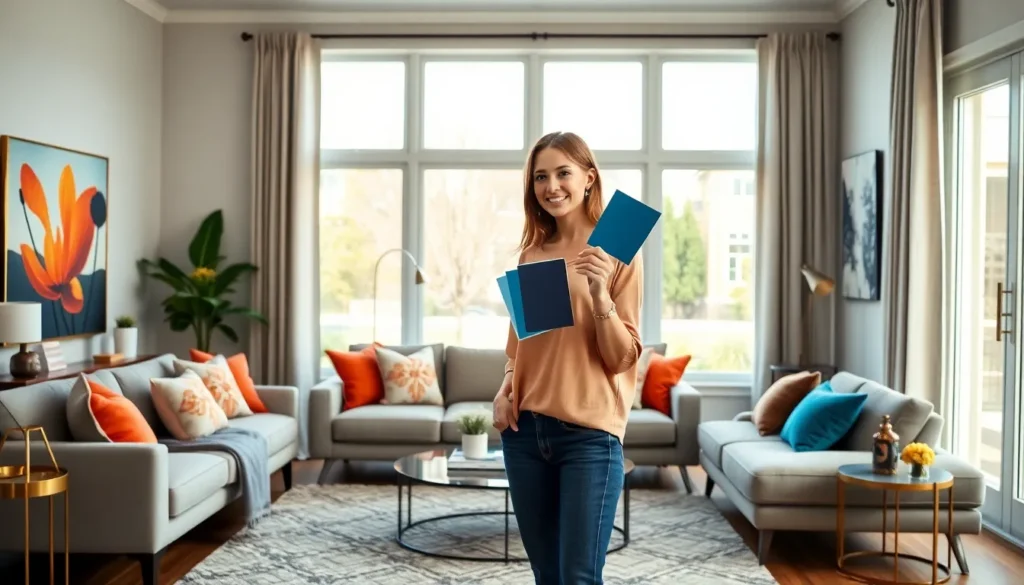
In a world where every room tells a story, home interior design jobs are the unsung heroes crafting those narratives. Imagine transforming bland spaces into vibrant havens that spark joy and inspire creativity. It’s not just about picking the right throw pillows; it’s about creating an environment where people feel at home, even if their cat has taken over the best chair.
With the rise of remote work and DIY enthusiasts, the demand for skilled interior designers is booming. These professionals don’t just arrange furniture; they orchestrate the symphony of color, texture, and function. Whether it’s a cozy nook or a sprawling open concept, they have the magic touch to make spaces not just livable but lovable. So, if you’ve got an eye for aesthetics and a passion for design, diving into the world of interior design jobs could be your ticket to a fulfilling career.
Overview of Home Interior Design Jobs
Home interior design jobs encompass a range of roles focused on enhancing the aesthetic and functional aspects of living spaces. Designers develop tailored solutions that reflect clients’ needs and preferences, combining artistic elements with practical applications. Many professionals specialize in areas like residential design, commercial interiors, or sustainable practices, allowing them to address specific market demands.
Designers often collaborate with architects, contractors, and clients to ensure cohesive project execution. An understanding of architecture, color theory, and furniture design proves essential in this field. Knowledge in software applications like AutoCAD or SketchUp enhances their ability to visualize and communicate ideas effectively.
Education plays a crucial role, including degrees in interior design or related disciplines. Many positions require certifications, such as the National Council for Interior Design Qualification (NCIDQ) credential. Experience through internships or entry-level roles helps professionals build a robust portfolio, leading to more advanced opportunities.
The job market for interior design professionals continues to expand due to evolving consumer interests. Remote work trends and home renovation projects increase the demand for innovative design solutions. Salary ranges can vary widely, influenced by factors like location, experience, and project complexity.
In major urban areas, skilled interior designers command higher salaries, often exceeding $80,000 annually. Smaller markets may offer lower compensation but provide unique opportunities for personal growth. Keeping abreast of industry trends and advancements in sustainable design methods strengthens a designer’s marketability, ensuring relevance in a competitive field.
Roles and Responsibilities
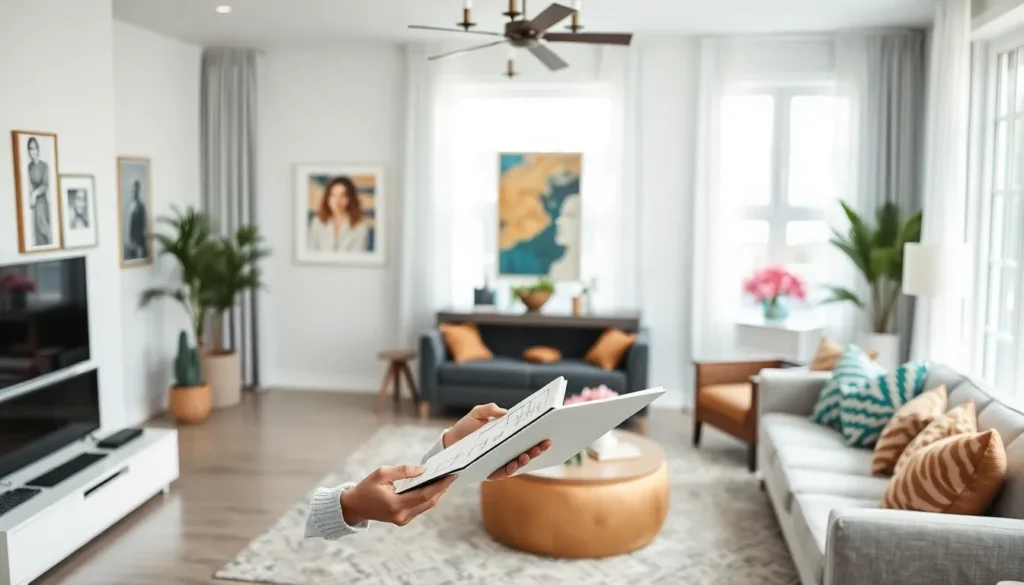
Home interior design professionals perform various roles that blend creativity and functionality. Their responsibilities include developing design concepts, selecting materials, and ensuring aesthetic harmony across spaces.
Designer Duties
Designers create customized spaces that reflect clients’ preferences and needs. They conduct site visits to gather inspiration and assess existing conditions. By sketching layouts, designers visualize their ideas before implementation. Collaborating with clients helps clarify project goals while presenting material samples ensures that the design aligns with expectations. Keeping up with industry trends allows designers to incorporate innovative elements, enhancing relevance in their work.
Project Management
Project management entails overseeing each phase of the design process. Coordinating with contractors, architects, and suppliers ensures timely execution. They track project budgets, making adjustments to stay within financial constraints. Effective communication with all stakeholders facilitates smooth workflow and minimizes disruptions. Monitoring schedules and quality control keeps projects on track and maintains design integrity. Adapting to changing circumstances helps address any challenges that may arise during project development.
Skills Required for Success
Success in home interior design rests on a mix of essential skills. Designers leverage their talents to create visually appealing, functional spaces that meet client objectives.
Creative Skills
Creativity stands at the forefront of interior design. Designers generate original concepts and solutions, using imagination to transform spaces. Visualizing designs involves understanding color psychology and selecting harmonious palettes. Inspiration draws from various sources, including art, nature, and current trends. Crafting unique layouts requires an eye for balance and proportion. Engaging storytelling through space enhances the overall aesthetic. Each project benefits from innovative approaches that captivate clients and elevate design quality.
Technical Skills
Technical proficiency plays a critical role in the interior design process. Familiarity with design software like AutoCAD and SketchUp allows designers to create precise layouts and 3D models. Understanding building codes and regulations ensures compliance during project execution. Knowledge of materials and their properties aids in selecting functional, lasting options. Project management skills facilitate coordinating timelines and budgets effectively. Communication expertise remains vital for collaborating with clients, contractors, and suppliers. Embracing these technical aspects significantly enriches the designer’s toolkit, enhancing project outcomes.
Job Market and Opportunities
The job market for home interior design professionals is thriving, driven by a blend of consumer interests, home renovations, and remote work trends. As individuals invest more in their personal spaces, the need for skilled designers continues to rise.
Industry Growth
Industry growth in home interior design shows promising trends. The growing demand for personalized design solutions reflects a broader interest in aesthetics and comfort. According to the U.S. Bureau of Labor Statistics, employment of interior designers is projected to grow 8% from 2021 to 2031, faster than the average for all occupations. Sustainable design practices are also gaining traction, adding another layer to the industry’s evolution. Technological advancements have enabled designers to create more innovative and efficient designs, fostering an environment ripe for career opportunities.
Freelance vs. In-House Positions
Professionals can choose between freelance and in-house positions in the interior design field. Freelance designers often appreciate the flexibility and autonomy of choosing their projects and clients. Many find satisfaction in building their own brands while managing their own schedules. Conversely, in-house positions typically provide stable income, benefits, and collaboration opportunities with diverse teams. Larger firms often seek designers with specialized skills, offering exposure to larger projects and established networks. Each option presents unique advantages, allowing designers to align their career paths with personal goals.
The field of home interior design presents exciting opportunities for those passionate about creating beautiful and functional spaces. With the job market expanding and a growing emphasis on personalized design, aspiring designers have a chance to thrive in various roles. Whether choosing to work freelance or within a firm, they can shape environments that reflect individual tastes and lifestyles.
By honing essential skills and staying updated on industry trends, interior designers can enhance their career prospects. As they blend creativity with technical expertise, they contribute significantly to transforming homes into inspiring havens. The journey into interior design is not just about aesthetics; it’s about making a lasting impact on how people experience their living spaces.