Owning a fiberglass pool brings endless enjoyment and relaxation, but it also comes with the responsibility of proper care. Understanding the unique needs of fiberglass surfaces is crucial for maintaining a sparkling and safe swimming environment. With the right knowledge and practices, pool owners can ensure their investment remains in top condition for years to come.
From routine cleaning to chemical balance, fiberglass pool care encompasses various aspects that contribute to its longevity and aesthetic appeal. Neglecting these essential maintenance tasks can lead to costly repairs and diminished enjoyment. By embracing effective care techniques, pool owners can enjoy a beautiful oasis that enhances their outdoor living experience.
Overview of Fiberglass Pools
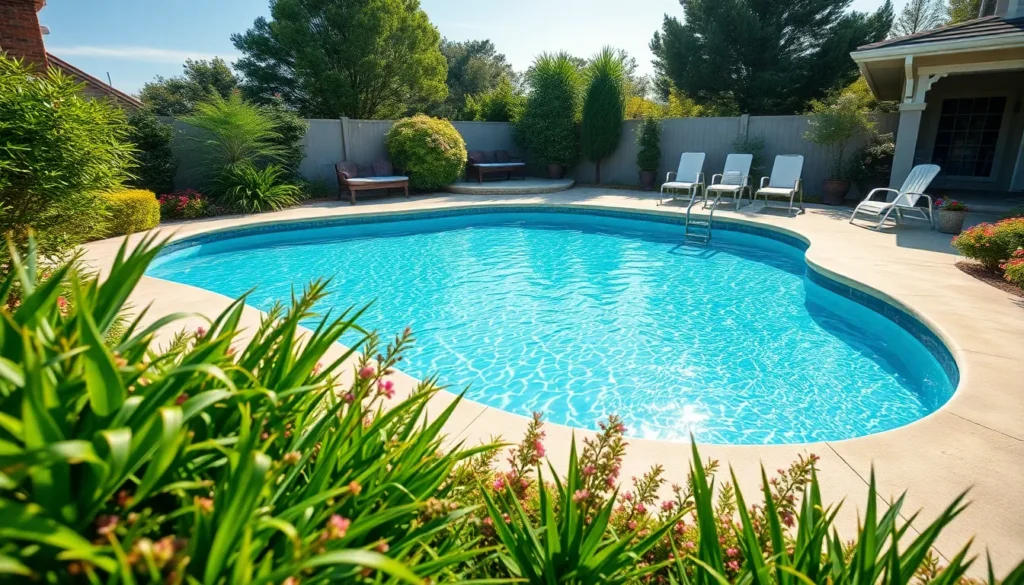
Fiberglass pools consist of pre-formed shells made from a durable composite material, offering a smooth surface and versatility in design. They come in various shapes and sizes, accommodating different landscapes and preferences.
Maintenance for fiberglass pools involves specific practices. Regular cleaning of debris and contaminants helps maintain water clarity and pool aesthetics. Owners benefit from examining pool surfaces for scratches, stains, or fading, as these conditions can arise over time.
Chemical balance is crucial for preserving fiberglass integrity. Proper pH levels, usually between 7.2 and 7.8, prevent surface damage and extend the pool’s lifespan. Additionally, maintaining chlorine levels between 1 to 3 parts per million ensures a safe swimming environment.
Fiberglass pools provide several advantages beyond their aesthetic appeal. They require less maintenance compared to concrete or vinyl pools. Their smooth surfaces inhibit algae growth, simplifying cleaning processes. Pool owners often experience lower costs in chemicals and maintenance equipment.
The installation process for fiberglass pools typically involves minimal landscaping disruption. This factor can lead to quicker installation times compared to other pool types. Understanding these aspects helps pool owners appreciate the longevity and low maintenance standards of fiberglass options.
Benefits of Fiberglass Pool Care
Fiberglass pool care offers significant advantages for pool owners. Proper maintenance ensures the pool remains functional, aesthetically pleasing, and long-lasting.
Durability and Longevity
Fiberglass pools exhibit exceptional durability due to their composite material construction. They resist cracking, fading, and weather damage better than plaster or concrete options. The smooth, non-porous surface prevents algae accumulation, reducing wear and tear. With adequate care, fiberglass pools can last over 30 years, making them a worthwhile investment. Pool owners benefit from less frequent repairs due to the inherent resilience of fiberglass, leading to long-term savings.
Low Maintenance Requirements
Fiberglass pools require fewer maintenance efforts compared to other types. Their smooth surfaces minimize the buildup of dirt and debris, allowing for easier cleaning. Routine tasks like skimming, vacuuming, and brushing the pool’s walls take less time. Chemical balance, primarily focused on pH levels between 7.2 and 7.8 and chlorine levels between 1 to 3 parts per million, maintains water clarity and safety without extensive weekly interventions. Additionally, fiberglass’s ability to retain heat means lower energy costs for heating, further simplifying the overall maintenance process.
Essential Care Tips for Fiberglass Pools
Proper care ensures fiberglass pools remain attractive and functional. Implementing specific maintenance strategies can significantly extend their lifespan.
Regular Cleaning Techniques
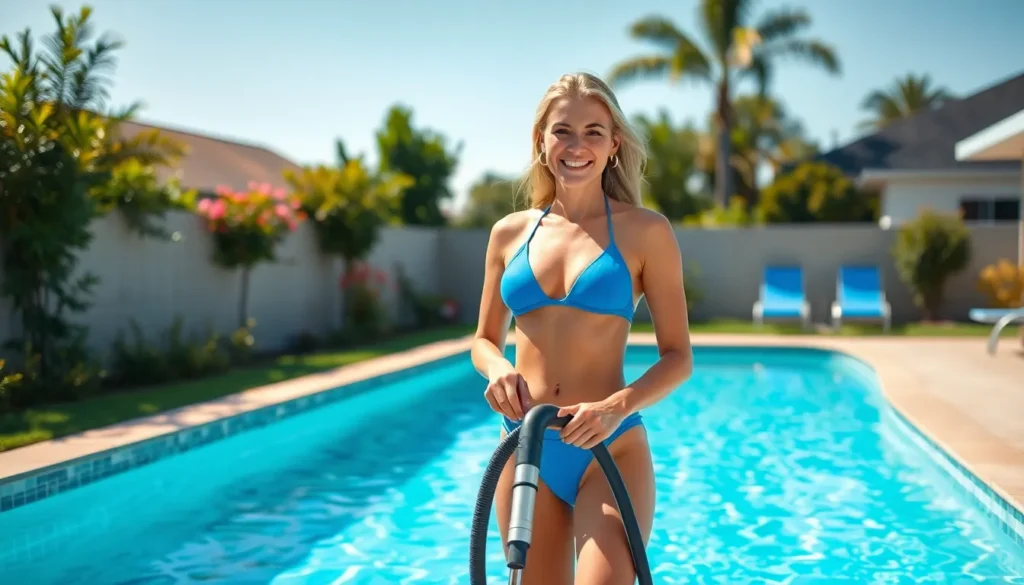
- Use a Pool Vacuum: Employ a pool vacuum regularly to remove debris and sediment from the pool floor. A robotic or handheld vacuum simplifies this task, allowing for thorough cleaning without manual effort.
- Skim the Surface Daily: Skim the water surface daily to eliminate leaves, insects, and other floating debris. This practice improves water clarity and reduces chemical imbalance.
- Brush the Walls and Steps: Brush the walls, steps, and ladder weekly to prevent algae buildup. Use a soft-bristled brush to avoid scratching the fiberglass surface.
- Clean the Filter: Inspect and clean the pool filter every few weeks. A clean filter improves water circulation and maintains clarity.
Maintaining Proper Water Chemistry
- Test Water Regularly: Test the pool water at least once a week using a reliable testing kit. This ensures pH and chlorine levels remain within optimal ranges.
- pH Levels: Maintain pH levels between 7.2 and 7.8. Imbalance can lead to surface etching or scaling and affects disinfectant efficiency.
- Chlorine Levels: Keep chlorine levels between 1 and 3 parts per million. Proper chlorine levels kill bacteria and prevent algae growth.
- Use Algaecides: Consider adding algaecides weekly to enhance algae prevention. Even with smooth surfaces, algae can thrive if not properly managed.
Common Issues and Solutions
Fiberglass pools, while durable, can encounter various issues that require prompt attention to maintain their appearance and functionality. Understanding common problems and effective solutions ensures pool owners can prolong the lifespan of their pools.
Stains and Discoloration
Stains and discoloration commonly affect fiberglass pools due to factors like organic debris, metal contamination, or chemical imbalances. Unmaintained chemical levels can lead to calcium buildup or algae growth, contributing to unsightly markings on the pool surface.
Prevention and Removal Strategies:
- Routine Cleaning: Regularly vacuum the pool and brush the surfaces to minimize debris accumulation.
- Chemical Balance Checks: Maintain water chemistry, especially pH levels between 7.2 and 7.8 and regular chlorine levels, to prevent staining.
- Stain Removal Products: Use specific stain-removing chemicals designed for fiberglass surfaces. Follow manufacturer instructions for safe application.
- Metal Sequestrants: Apply metal sequestrants if metal sources are suspected to prevent staining caused by rust or metal oxidation.
Repairing Cracks and Damages
Though fiberglass pools resist cracking better than other materials, they may still develop minor cracks or damages over time. Addressing these promptly can prevent more extensive repairs and maintain the pool’s structural integrity.
- Inspection: Regularly inspect the pool for cracks or surface damage. Look for areas of wear to catch issues early.
- Epoxy Resin: For small cracks, clean the area and apply a fiberglass epoxy resin for a strong bond and water resistance.
- Professional Repair: For larger or more extensive damage, hiring a qualified pool technician ensures safe and effective repairs. They possess the expertise to handle complex issues.
- Preventative Measures: Regularly maintain water chemistry and avoid heavy impacts on the pool surface to minimize stress on the fiberglass.
Maintaining a fiberglass pool is essential for preserving its beauty and functionality. By implementing regular cleaning and monitoring water chemistry, pool owners can ensure their investment remains in top condition. The durability of fiberglass pools significantly reduces the need for extensive repairs and maintenance, making them a practical choice for outdoor enjoyment.
With simple care techniques, such as routine inspections and prompt repairs, the longevity of these pools can be maximized. By understanding and addressing common issues, owners can enjoy a safe and inviting swimming environment for years to come. Embracing these practices not only enhances the pool’s appearance but also enriches the overall outdoor living experience.