
Table of Contents
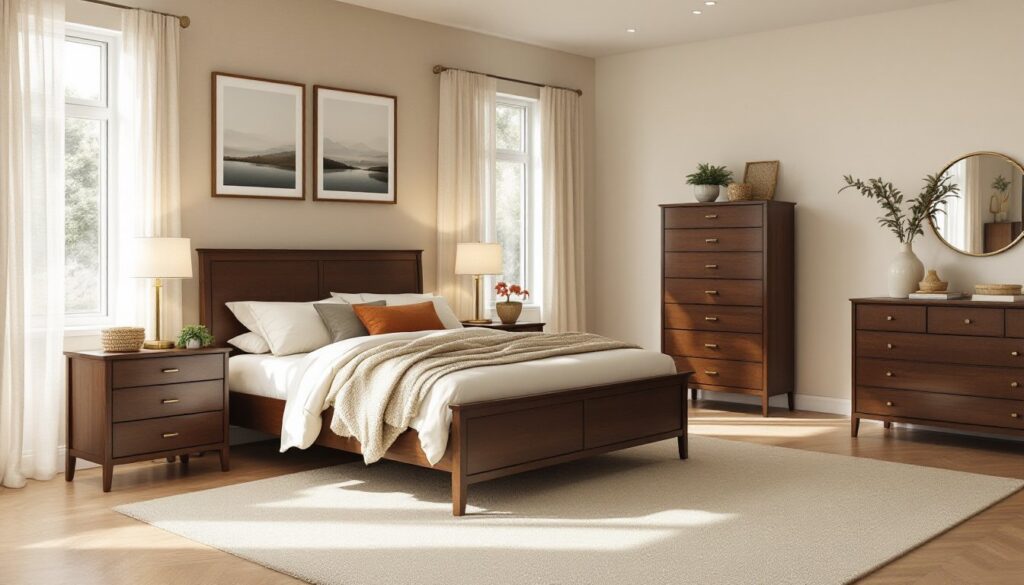
ToggleDark brown furniture brings sophistication and warmth to any bedroom without requiring a major renovation or expensive overhaul. Whether you’re starting from scratch or refreshing an existing space, dark brown pieces, from walnut nightstands to chocolate-toned bed frames, create an anchored, grounded foundation that feels both timeless and current. This guide walks through practical styling strategies, color pairings, and layout approaches that homeowners and DIY enthusiasts can carry out immediately. You’ll learn how to balance darker wood tones with lighting, accessory choices, and complementary colors to avoid a cave-like atmosphere and instead craft a bedroom that feels inviting, restful, and genuinely yours.
Key Takeaways
- Dark brown furniture creates a sophisticated, grounded bedroom foundation without requiring expensive renovations, especially when paired with thoughtful lighting and neutral wall colors.
- Balance dark brown pieces with complementary colors like greige, warm whites, creams, and earth tones (ochre, terracotta, rust) to prevent a cave-like atmosphere and add warmth and personality.
- Layer lighting through ambient ceiling fixtures, task lamps at nightstands, and accent lighting to enhance dark brown furniture and prevent the wood from absorbing light and creating oppressive shadows.
- Strategic furniture placement—centering the bed as a focal point, using vertical space with tall dressers, and maintaining 18 inches of clear floor space—makes dark brown bedroom ideas feel intentional and functional.
- Accessorize with warm neutral bedding, varied throw pillow sizes, appropriately sized rugs, and natural textured elements like linen and woven materials to complete your dark wood design without visual clutter.
Creating Warmth With Dark Brown Bedroom Furniture
Dark brown furniture doesn’t have to feel heavy or dim. The key is understanding how wood tone and finish affect the room’s overall temperature. A matte-finish walnut dresser reads differently than a glossy cherry nightstand, even if both are technically “dark brown.” Matte finishes scatter light and feel more understated: glossy finishes reflect light and add visual interest, especially under good lighting.
Dimension matters just as much as color. A bedroom with a dark brown upholstered bed frame, light oak flooring, and pale walls creates visual contrast that keeps the space feeling open. Conversely, pairing dark brown furniture with dark walls can work beautifully, just not without deliberate lighting and texture to prevent monotony.
Choose furniture pieces that have already earned a place on your project list. If you’ve been eyeing a real wood dresser or solid wood bed frame, dark brown is a practical choice because it hides dust and minor scratches better than light finishes and works with nearly any color scheme you decide to add later. Real wood also ages gracefully: darker pieces often look better as they patina over time.
Color Palettes That Complement Dark Brown Pieces
The right surrounding colors transform dark brown furniture from formal to cozy. Too much dark brown across all surfaces risks making the room feel cave-like: the trick is using complementary colors strategically to create balance and depth.
Neutral and Warm Accent Colors
Greige (gray-beige) is one of the most forgiving pairings with dark brown. Paint walls a soft greige, layer warm white linens, and add brass or bronze hardware to tie everything together. This combination avoids the sterile feel of pure gray while maintaining the calm, restful quality that bedrooms need.
Warm whites and creams work equally well. Colors that go with brown include soft ivory, linen, and ecru, tones that complement darker wood without clashing. If your walls are cream, dark brown furniture reads as an anchor rather than an obstacle.
Ochre, terracotta, and warm rust accents add personality without competing with dark brown pieces. These earth tones feel intentional when introduced through bedding, a single accent wall, or accessories like throw pillows or wall art. They reinforce the warmth that dark wood naturally provides.
Avoid pairing dark brown with cool grays or true blacks unless you’re aiming for a very modern, high-contrast look. Cool colors can make dark brown feel isolated rather than grounded. If you want depth, layer warm neutrals instead, taupe over cream, bronze over brass.
Layout and Placement Strategies for Maximum Impact
Where you place dark brown furniture shapes how the entire room functions and feels. Most bedrooms center on the bed, so if you’re installing a dark wood bed frame, position it as your visual focal point, typically centered on the wall opposite the door or the most visible wall from the entry.
Flank the bed with matching or complementary nightstands. Asymmetrical nightstands (one dark brown, one lighter wood) can work in modern designs, but matching pairs feel more cohesive and calm, qualities a bedroom should prioritize. Keep the nightstand tops clear except for a lamp and one small object (a book, a plant, a clock). Cluttered surfaces make even attractive furniture feel cramped.
Position larger pieces (dressers, armoires, chest of drawers) on walls that don’t compete visually with the bed. If your bedroom is modest, a single tall dresser is often smarter than a low one paired with nightstands: it uses vertical space efficiently and reduces the visual weight of dark wood spread across the floor.
Leave walking space around furniture. A dark wood dresser that sits two feet from the closet or adjacent wall makes the room feel crowded and reduces functionality. Aim for at least 18 inches of clear floor space on either side of drawers or doors for practical access.
Avoid pushing all furniture to the walls, a common mistake in small bedrooms. Sometimes floating a bed or positioning a dresser perpendicular to a wall creates better flow and makes the room feel intentional rather than makeshift. Experiment before anchoring anything permanently.
Lighting Solutions to Enhance Dark Brown Furniture
Lighting is non-negotiable when dark brown furniture is present. Without adequate light, dark wood absorbs illumination and creates shadows that can feel oppressive rather than cozy. This doesn’t mean you need harsh overhead lights: it means you need layered lighting with intention.
Start with ambient lighting, ideally from a ceiling fixture or recessed lights. Aim for warm color temperature (2700K, often labeled as “soft white” or “warm white”) rather than cool-toned bulbs. Warm light plays beautifully against dark wood’s undertones and doesn’t feel clinical. If your bedroom has only a central ceiling fixture, consider adding recessed lighting or a flush-mount fixture with dimmer capability so you can adjust brightness depending on the time of day.
Add task lighting at the nightstands. A pair of table lamps with shades that diffuse light gently keeps dark wood from creating harsh shadows around your bed. Choose lamp bases that either echo your furniture’s wood tone or contrast with warm metals like brass or bronze. Avoid chrome or very cool-toned metals, which can feel at odds with warm brown tones.
Incorporate accent lighting through interior design inspiration, consider a wall sconce above a dark wood dresser or beside a reading chair. Accent lights draw the eye to furniture pieces and prevent the room from feeling flat. Motion-sensor or dimmable options add convenience and atmosphere.
Use natural light strategically. If your bedroom has windows, sheer curtains or lightweight linen panels allow daylight to brighten dark furniture without creating glare. Dark wood actually deepens nicely in natural light: it’s artificial darkness that makes it feel oppressive.
Styling Accessories and Textiles to Complete Your Design
Accessories are where dark brown furniture truly comes alive. Bedding, throw pillows, rugs, and wall decor either anchor the design or distract from it: choose deliberately.
Bedding should lean toward warm neutrals or subtle patterns. Cream linen, warm white cotton, or soft taupe create a restful base that doesn’t compete with dark wood. If you want pattern, choose linen stripes, subtle plaids, or geometric designs in warm tones rather than busy florals or cool-toned prints. Layering is key: start with fitted sheets, add a coverlet or comforter, then a linen throw or quilt draped casually across the foot of the bed.
Throw pillows introduce color and texture without committing you to a complete bedding overhaul. A mix of sizes, standard, lumbar, and square, looks intentional. Pair solid colors (cream, warm gray, or an accent tone like rust or ochre) with a subtle textured pillow (linen, linen blend, or a soft knit). Avoid more than three distinct pillow colors: restraint reads as design confidence rather than randomness.
A rug anchors the bedroom and softens the visual weight of dark furniture. Choose a neutral-toned rug (cream, light gray, warm taupe) sized appropriately for your layout. If your bed is centered in the room, a rug should extend at least 2 feet on either side. A small accent rug at the foot of the bed works for compact spaces.
Wall art and decor should reflect your taste while respecting the room’s warmth. Home design shows feature dark wood furniture paired with landscape photography, abstract prints in warm palettes, and minimal gallery walls. Avoid too many pieces: dark furniture commands attention, so let it breathe with thoughtful negative space on walls.
Textural elements matter enormously. A woven wall hanging, a chunky knit throw, or linen curtains add richness without clashing with dark wood. Natural materials, wood accents, rattan baskets, cotton throws, complement dark furniture naturally because they share a grounded, organic quality.
Conclusion
Dark brown furniture creates a sophisticated, timeless bedroom foundation when paired thoughtfully with lighting, color, and accessories. Start by positioning your key pieces (bed, dresser, nightstands) functionally, then layer in warmth through neutral wall colors, layered lighting, and textured textiles. Trust that dark wood ages beautifully and works across multiple design styles, from modern to rustic. Your bedroom should reflect your personality and comfort, dark brown furniture simply gives you a warm, durable base to build from.