Table of Contents
ToggleCrosley patio furniture has carved out a reputation for blending nostalgic charm with contemporary durability, the kind of pieces that anchor a backyard gathering without screaming for attention. Whether you’re outfitting a small balcony or a sprawling patio, Crosley’s lineup delivers solid construction, weather-resistant materials, and design versatility that appeals to homeowners who want their outdoor space to feel intentional, not like a catalog showroom. If you’re shopping for patio furniture that balances style with substance, understanding what sets Crosley apart, and how to keep pieces looking sharp, matters more than you’d think.
Key Takeaways
- Crosley patio furniture balances vintage-modern design with durable powder-coated metal frames and weather-resistant materials at a mid-range price point.
- The brand’s popular collections, including the Griffith metal glider and Bougainvillea woven sets, offer flexible styling options that work across small balconies and sprawling patios.
- Proper maintenance—monthly hosing, yearly protective sealant application, and indoor cushion storage—extends Crosley furniture lifespan by years.
- Powder-coat finish quality (200+ microns thick) resists fading and moisture, while minor rust spots remain cosmetic and can be easily touched up with spray paint.
- Crosley patio furniture works best when styled intentionally; repeating one or two design cues (like consistent frame colors) creates a cohesive outdoor space.
- Choose cushions made from solution-dyed acrylic like Sunbrella over surface-dyed polyester to ensure fade resistance and long-term durability in direct sunlight.
What Makes Crosley Patio Furniture Stand Out
Crosley’s appeal lies in thoughtful design paired with practical engineering. The brand focuses on creating outdoor pieces that age gracefully rather than deteriorate predictably. Most Crosley sets use powder-coated metal frames (typically steel or aluminum) combined with cushioning that’s designed to resist fading and moisture absorption. The company doesn’t cut corners on joinery: frames are usually welded or bolted together, not glued or stapled. This matters when a summer thunderstorm or a decade of sun exposure tests your furniture’s mettle.
When shopping Crosley, you’ll notice the price point sits above budget patio sets but below luxury brands, a sweet spot for homeowners unwilling to sacrifice longevity for a lower sticker price. The designs lean vintage-modern: think mid-century lounge chairs, retro metal gliders, or bistro-style tables that wouldn’t look out of place on a 1950s porch or a contemporary deck. That aesthetic consistency means mixing and matching pieces from different Crosley collections usually works without clashing. You can pair a vintage-inspired loveseat with a sleek side table and have it read as intentional rather than mismatched.
Popular Crosley Patio Collections and Styles
Crosley rotates collections seasonally, but certain styles remain core offerings. Their Griffith Collection stands out, it’s anchored by a metal glider (available in white, black, or two-tone) with a broad back and curved rockers. Pair it with a side table or ottoman, and you’ve got a functional seating nook. The Bougainvillea Collection emphasizes woven details and a more contemporary silhouette, using synthetic rattan over aluminum frames. For intimate spaces, their bistro and café tables pair well with individual chairs or benches, offering flexibility without demanding a large footprint.
The Co.Allred Designs collaboration pushed Crosley into more sculptural territory, blending industrial and organic forms. These pieces work best if your aesthetic skews modern or eclectic. Meanwhile, the Caledon Collection returns to simpler lines, powder-coated steel chairs with slatted seats and backs, ideal for cottage or farmhouse-style homes. Southern Living frequently features Crosley pieces in their outdoor living guides, reflecting the brand’s strong regional heritage and appeal.
Classic and Vintage Designs
Crosley’s vintage-inspired range is where the brand’s DNA shows clearest. Their metal gliders and rockers echo porch culture, drawing from early-20th-century American furniture. These pieces come in period-appropriate finishes, white powder coat, aged bronze, or distressed finishes that look weathered by design rather than neglect. Cushions are optional: many DIYers prefer the raw metal frame for easier cleaning and lower maintenance. If you add cushions, ensure they’re outdoor-grade polyester or solution-dyed acrylic to resist mildew and UV damage. A set of gliders plus a simple bistro table creates a classic setup that photographs well and functions reliably for a decade or more if properly maintained.
Material Quality and Weather Resistance
Crosley’s strength is material consistency. Most frames use powder-coated steel or aluminum, both solid choices for outdoor exposure. Steel is heavier and more rigid, making larger pieces feel substantial and less wobbly. Aluminum is lighter, easing moving and rearrangement, though it can feel less sturdy on ultra-wide lounges or sofas.
The powder coat finish (typically 200+ microns thick on quality pieces) acts as a barrier against moisture and UV rays. It’s not indestructible: chips and scratches will expose bare metal, which will surface-rust over time. But, minor rust spots don’t compromise structural integrity, they’re cosmetic. If you notice exposed metal, sand lightly and touch up with spray paint matched to the original finish: most hardware stores stock colors like black, white, and bronze.
Cushions vary by collection. Sunbrella or similar solution-dyed acrylic fabrics are industry standard because the dye permeates the fiber, resisting fading far better than surface-dyed polyester. Check product specs: premium Crosley sets specify Sunbrella or equivalent, while budget offerings may skimp. Synthetic rattan components (on woven collections) are UV-stabilized polypropylene, which won’t rot or splinter like wood, though it can become brittle if left unwrapped through harsh winters.
Moisture is patio furniture’s primary enemy. Gardenista emphasizes that proper drainage and airflow prevent mildew and water pooling. Ensure cushions sit on frames with space underneath for air circulation, and store them during off-season or cover them with breathable tarps (not plastic, which traps moisture). Aluminum feet or adjustable levelers prevent water from sitting directly under frames.
Maintenance and Care Tips for Longevity
Crosley furniture requires minimal fuss, but a little routine care extends its life considerably. Start with the frame: hose down metal surfaces every month or after dust storms. Use a soft brush for stubborn grime, never steel wool (which scratches powder coat). For cushions, brush away surface dirt, and spot-clean stains with a mild soap-and-water solution. For deep cleaning, remove cushions and wash them separately in a sink or tub.
Once yearly (or at season’s end), apply a clear protectant spray designed for powder-coated metal. Products like Eastwood Clear Coat or similar automotive-grade sealers cost $15–30 and add a sacrificial layer that slows oxidation. Woven rattan pieces benefit from occasional conditioning with a dedicated rattan oil or furniture oil, which prevents drying and brittleness, especially in arid climates.
Store or cover pieces during winter in cold climates, or year-round in harsh coastal environments. A fitted furniture cover (not vinyl, which traps moisture) or a breathable boat cover works well. If storage space is tight, stack chairs and cover the pile. Remove cushions and store indoors: they’ll last 2–3 seasons longer protected from freeze-thaw cycles.
Minor repairs are DIY-friendly: tightened bolts, reseated cushions, or touched-up paint. If a weld cracks or a frame twists, professional welding is worth the cost for valuable pieces rather than discarding and replacing.
Styling Your Outdoor Space With Crosley Pieces
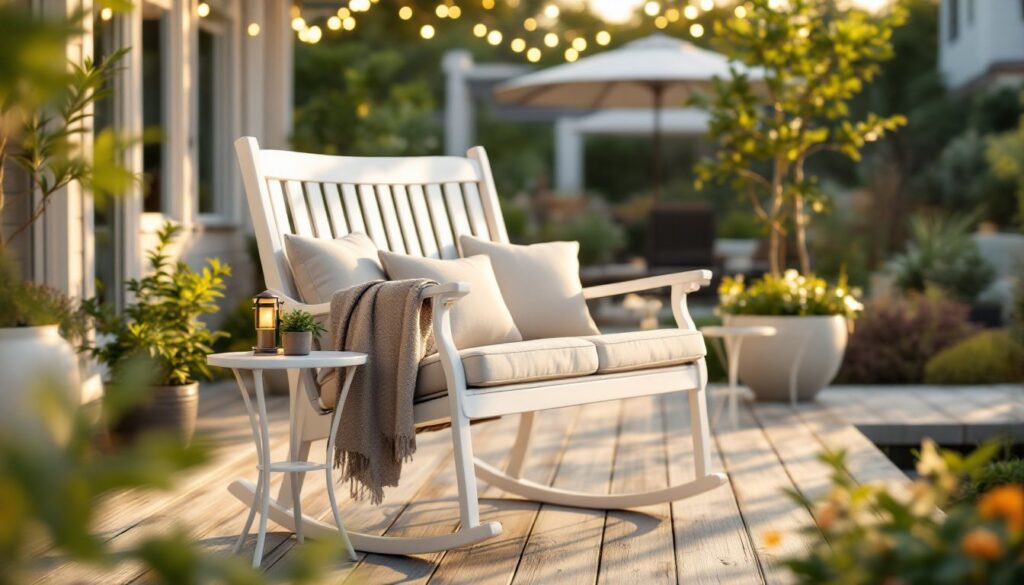
Crosley’s vintage-modern aesthetic works across design contexts, but intentionality matters. A Griffith glider anchors a front porch narrative: pair it with potted plants, a small side table, and a throw blanket for a welcoming entry. Add subtle outdoor lighting, a clip-on solar lamp or string lights, and you’ve created a layered seating zone.
For larger patios, Design Milk champions eclectic mixing that combines vintage seating with modern accents. A Crosley bistro table paired with contemporary lounge chairs, minimalist planters, and clean-lined shade structures reads cohesive rather than cobbled-together. The trick is repeating one or two design cues across pieces, say, black frames throughout, or a cohesive color palette of whites and grays.
Small spaces benefit from Crosley’s modular approach. A single glider or café chair doesn’t demand a full dining set. Layer pieces: a side table here, an ottoman there, a small accent table for drinks. This builds flexibility without overcommitting to a huge footprint.
Color choice shapes your space’s mood. White and cream finishes brighten and lighten visually, ideal for compact areas or north-facing patios. Black or bronze frames ground larger spaces and hide dust better. Two-tone finishes (like white with wood-look details) bridge vintage and contemporary styles, useful if your home’s architecture mixes periods.
Remember that outdoor living is functional first. A beautiful glider that’s inaccessible or too narrow to sit comfortably defeats its purpose. Always test pieces in person if possible, or verify dimensions against your space.
Conclusion
Crosley patio furniture offers a reliable middle ground: quality construction and thoughtful design without the premium price tag of heritage or luxury brands. Whether you gravitate toward vintage-inspired gliders or contemporary woven lounge sets, the brand delivers pieces that age well and perform across climates. The investment pays dividends when you’re actually using your outdoor space, and you will, if the furniture fits your aesthetic and your site’s practical needs. Choose thoughtfully, maintain consistently, and your Crosley set will anchor many seasons of gatherings and quiet mornings.