Table of Contents
ToggleFort Lauderdale’s subtropical climate is a blessing for year-round outdoor entertaining, and a genuine test for patio furniture. The combination of intense sun, salt air from the Atlantic, and sudden tropical downpours wears through ordinary outdoor pieces faster than homeowners expect. Anyone who’s watched budget-friendly patio furniture fade, rust, or splinter within a season knows the frustration. This guide cuts through the hype and walks you through selecting patio furniture that actually holds up in South Florida conditions. You’ll learn which materials survive the moisture and heat, how to spot quality construction, and how to create an outdoor living space that stays functional and attractive year after year.
Key Takeaways
- Fort Lauderdale’s intense sun, salt air, and humidity require patio furniture built with corrosion-resistant materials and UV-stable finishes to survive 15–20 years instead of just 2–3 seasons.
- Teak hardwood and powder-coated aluminum are the top materials for South Florida durability, with teak offering natural rot resistance and aluminum providing lightweight, rust-proof practicality without requiring maintenance.
- Solution-dyed acrylic or Sunbrella-type performance fabrics must be used for cushions and slings, as standard fabrics mildew rapidly in Fort Lauderdale’s 80%+ humidity environment.
- Proper patio furniture setup requires shade structures, permeable drainage surfaces, and adequate spacing between pieces to prevent moisture accumulation and extend furniture longevity.
- Test new patio furniture through a full season before committing to large sets, allowing you to verify durability under real Fort Lauderdale weather conditions and avoid costly replacements.
Why Fort Lauderdale Weather Demands Specialized Patio Furniture
Fort Lauderdale isn’t like temperate climates where patio furniture faces seasonal challenges and then dormant months. Here, your outdoor pieces are on duty 365 days a year under conditions that accelerate deterioration. The salt-laden air is the biggest culprit, it corrodes unprotected metal, breaks down finishes, and promotes mildew on fabric. Humidity levels regularly hit 80% or higher, creating an environment where wood swells and shrinks constantly, and moisture wicks into upholstery.
Ultraviolet (UV) rays are equally punishing. South Florida gets roughly 250 sunny days annually, and that relentless exposure fades colors, degrades synthetic fabrics, and causes wood to crack and check. Add afternoon thunderstorms that drench furnishings in minutes, and you’re looking at furniture that needs genuine durability, not decorative pretense.
This is why generic online patio sets marketed nationally often fail in Fort Lauderdale within 2–3 years. They’re designed for milder climates or seasonal use. Pieces that work here are built with corrosion-resistant materials, UV-stable finishes, and superior drainage, not as premium upgrades, but as baseline requirements. Choosing the right patio furniture in South Florida isn’t about aesthetics alone: it’s about function and longevity.
Top Patio Furniture Materials for South Florida Durability
Teak and Hardwood Options
Teak is the gold standard for outdoor hardwood furniture in tropical climates, and for good reason. This Southeast Asian hardwood contains natural oils that resist rot, insects, and UV damage without requiring protective coatings. Teak’s tight grain also makes it less susceptible to checking and splitting than softer woods. Over time, untreated teak weathers to an attractive silver-gray patina, a look many homeowners prefer to maintained finishes.
The catch is price. Quality teak furniture costs significantly more than treated softwood or metal alternatives, often $2,000 to $5,000 for a basic dining set. But, properly maintained teak pieces easily last 15–20 years, which actually works out to lower cost-per-year than replacing cheaper furniture every few seasons. If you want the warm look of wood without teak’s investment, mahogany and ipe are alternatives, though they’re less forgiving in high-salt environments and typically require periodic sealing.
If you’re considering hardwood, inspect the joinery first, mortise-and-tenon joints glued and pinned are far superior to simple dowels or pocket screws, which weaken in repeated wet-dry cycles. Avoid stacked or laminated construction: solid pieces are more durable. For cushions and fabrics on wood frames, opt for solution-dyed acrylic or polyester labeled for outdoor use: cotton and regular polyester absorb moisture and mildew rapidly.
Aluminum and Metal Frames
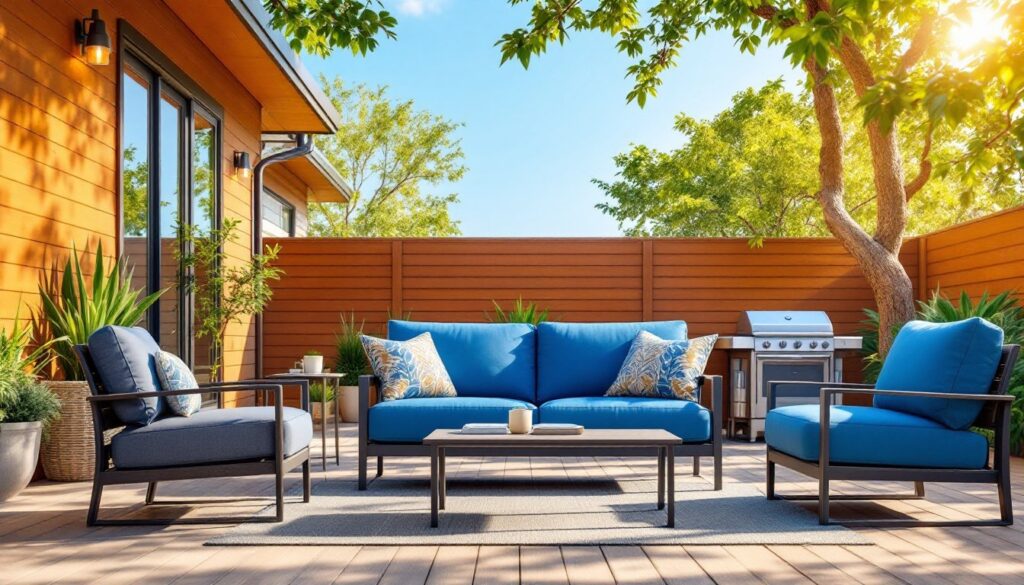
Aluminum is the practical workhorse of South Florida patio furniture. It doesn’t rust, it’s lightweight, and it withstands salt air far better than steel. Modern powder-coated aluminum finishes come in dozens of colors and rarely require maintenance beyond occasional rinsing. The structural limits are real though, aluminum isn’t as rigid as steel, so frames on larger pieces can develop wobble or sag after a few years if not designed with internal bracing. Check the wall thickness of tubing: thicker aluminum holds up better, though it adds weight.
Steel furniture, even galvanized or powder-coated, eventually succumbs to rust in coastal environments. If you’re drawn to steel’s industrial look or the rigidity it offers, accept that it requires more maintenance. Touch-ups on scratched finishes become necessary, and you’re fighting a slow battle against oxidation. Stainless steel, particularly marine-grade (316), resists corrosion far better than galvanized steel, but costs climb sharply and most retail patio furniture doesn’t use genuine marine-grade stainless.
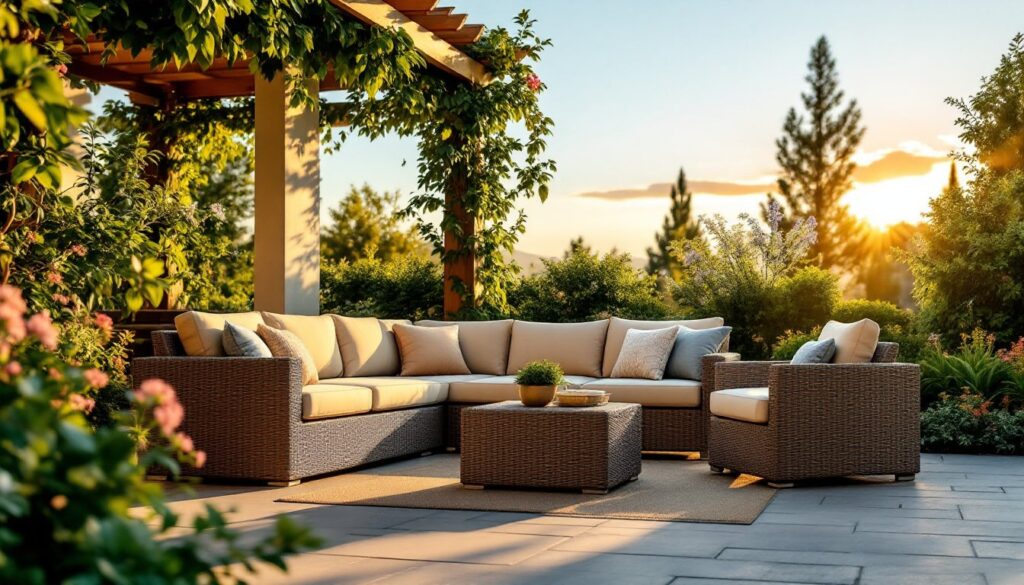
Wicker and resin pieces marketed as “all-weather” or “synthetic” can work, but they vary widely in quality. Cheap resin wicker fades and becomes brittle in UV light. Higher-grade synthetic wicker holds up better, though it still doesn’t match the longevity of aluminum or teak. When you’re evaluating wicker, feel the resin material, if it feels thin or flexes easily, it won’t hold up. The landscape architecture firms in Fort Lauderdale often specify commercial-grade wicker and aluminum combinations for long-term installations, a sign that these combinations are field-tested.
For cushions and slings (the fabric stretched across aluminum frames), insist on solution-dyed acrylic or Sunbrella-type performance fabrics. These are woven to be UV- and moisture-resistant, not coated after the fact. Regular acrylic cushions can look fine but mildew underneath, leading to musty smells and hidden deterioration. Store cushions indoors during hurricane season or in a sealed dry bag if outdoor storage is your only option.
Creating Your Ideal Outdoor Living Space
Choosing furniture pieces is just the start. A functional outdoor living space in Fort Lauderdale requires thinking about shade, drainage, and layout the same way you’d approach an interior room.
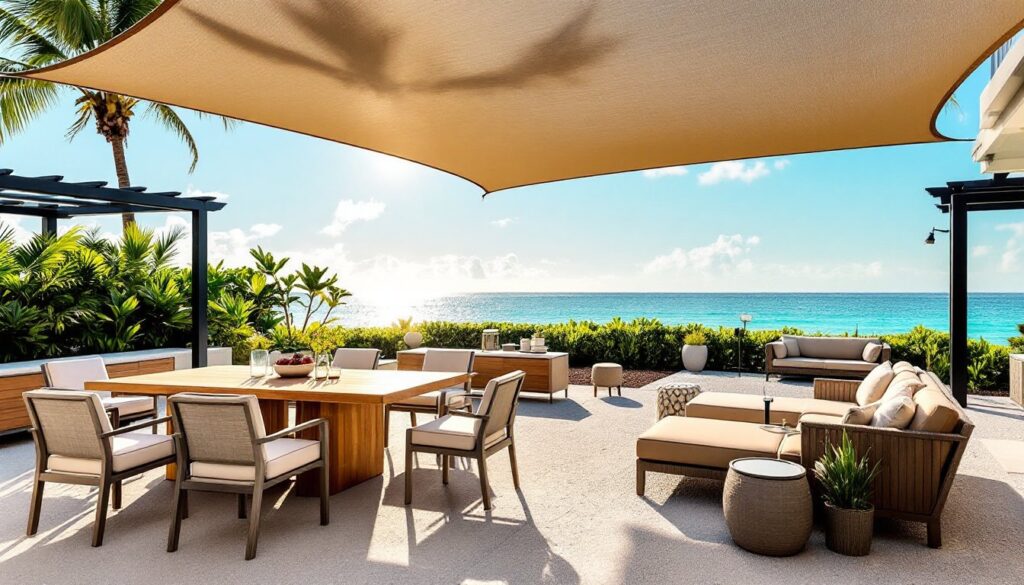
Shade and Exposure protect both furniture and users. A pergola, shade sail, or umbrella reduces UV damage to furnishings and cushions, extending their life significantly. It also makes the space usable during peak afternoon heat. If you’re installing permanent shade structures, confirm that local building codes require permits: many do. The economics often favor a quality commercial-grade umbrella ($300–$800) initially, then adding permanent structures later once you’ve lived in the space and understand sun patterns through the seasons.
Drainage and Surface matter more than homeowners realize. Patio furniture sitting on solid concrete or pavers that don’t drain well collects standing water underneath, accelerating rust and rot. If possible, place furniture on a slight grade or use a permeable surface like decomposed granite or gravel underneath. This simple detail prevents moisture from pooling and keeps metal legs and wood bases drier between uses.
Layout and Traffic Flow should feel intuitive. Avoid overcrowding: cramped patios feel smaller and make moving around and cleaning harder. Create distinct zones, a dining area, a seating/lounge area, perhaps a bar or serving station. Resources on outdoor design often highlight how spacing and pathways improve usability and aesthetics.
Maintenance Access is practical but often overlooked. Plan furniture placement so you can clean under and behind pieces, hose down the patio, and move furniture if needed (which you’ll want to do periodically to prevent uneven wear and sun fading). Grouping multiple pieces together makes maintenance harder and traps moisture underneath.
Storage Options are essential in South Florida. Even the most durable furniture benefits from being stored or covered during hurricane season or extended absences. Consider a lockable patio storage bench, a deck box, or clearing nearby garage space specifically for seasonal patio items. Cheap plastic covers tear and trap moisture: if you use covers, opt for breathable woven options or bring cushions indoors.
When you’re pulling together a cohesive look, stick to two or three colors and finishes. Too many different wood tones, metal finishes, and fabric patterns create visual chaos. Neutral tones, weathered gray, black, bronze, or natural wood, age gracefully and won’t feel dated in a few years. Home improvement guides typically emphasize that a simpler, well-maintained patio beats a trendy patio that looks tired in two seasons. In Fort Lauderdale’s climate, durability and ease of maintenance should drive your aesthetic choices, not the reverse.
Conclusion
Fort Lauderdale patio furniture must earn its place in a harsh environment. Prioritize materials proven to handle salt air, intense UV, and constant moisture, teak and marine-grade stainless for the durability-first approach, powder-coated aluminum with high-quality fabrics for a practical balance of cost and longevity. Invest in proper spacing, shade, and storage rather than quantity of pieces. Test furniture before committing to large sets: if possible, buy one or two pieces and live with them through a full season to see how they hold up. That discipline upfront saves money, frustration, and regret down the road.