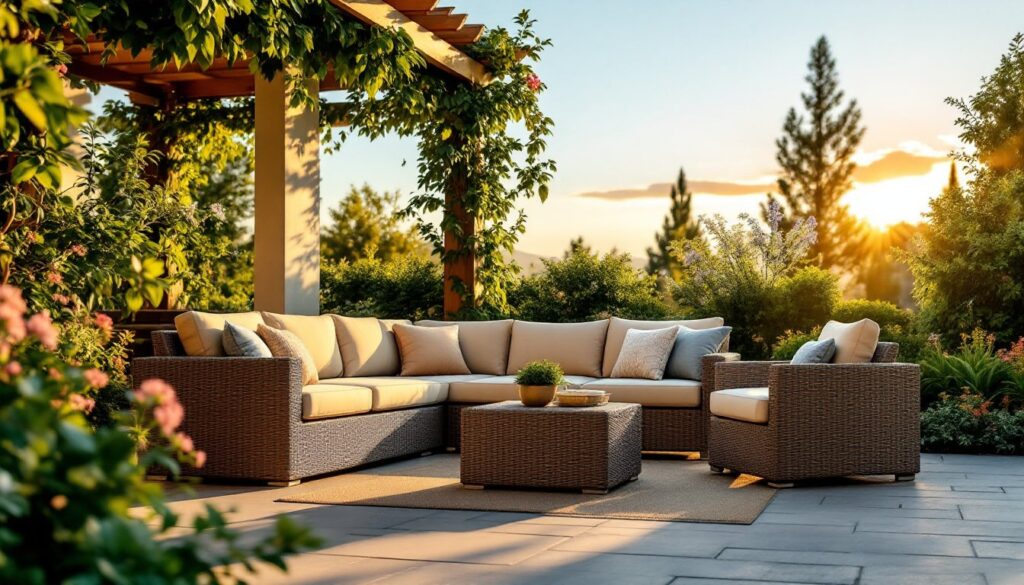
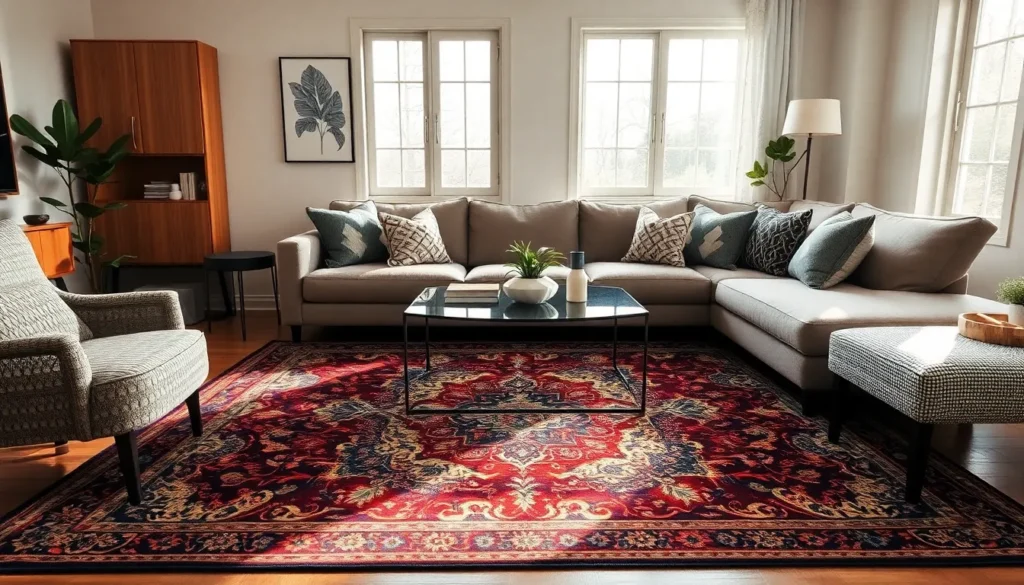
Area rugs are more than just decorative pieces; they’re essential elements that can transform a space. With countless styles, colors, and textures available, these versatile accessories can enhance any room’s aesthetic while providing comfort underfoot. Whether it’s a cozy living room or a chic dining area, the right area rug can tie the entire look together.
Choosing an area rug involves more than just picking a pretty pattern. It requires an understanding of size, material, and placement to ensure it complements the existing decor. From modern designs to traditional motifs, area rugs offer endless possibilities for personal expression. Dive into the world of area rugs and discover how they can elevate your home’s style and functionality.
Overview of Area Rugs
Area rugs serve as multifunctional components in interior design, combining practicality with aesthetics. These textiles not only define spaces but also add layers of warmth and texture. When selecting an area rug, factors such as size, material, and placement play critical roles.
Size Considerations
Choosing the right size impacts a room’s balance. A rug that is too small can make a space feel disjointed, while an oversized rug can overwhelm a room. For optimal effect, place front legs of furniture on the rug to create a cohesive look.
Material Options
Materials significantly influence durability, comfort, and maintenance. Common options include:
- Wool: Known for its softness and resilience.
- Synthetic fibers: Offer stain resistance and are easy to clean.
- Natural fibers: Provide an organic look but may require more upkeep.
Placement Strategies
Effective placement enhances functionality and design. Rugs can delineate areas, such as living rooms or dining spaces. Positioning a rug under furniture fosters a sense of unity, while placing it in a high-traffic area may necessitate considerations for wear and tear.
Style Varieties
Area rugs come in diverse styles, catering to various themes. Some popular styles include:
- Modern: Characterized by sleek designs and bold patterns.
- Traditional: Featuring intricate designs and classic motifs.
- Bohemian: Showcasing eclectic prints and vibrant colors.
Exploring these varieties allows individuals to find the perfect match for their decor. The versatility of area rugs ensures they not only enhance visual appeal but also contribute to a home’s overall function and comfort.
Types of Area Rugs
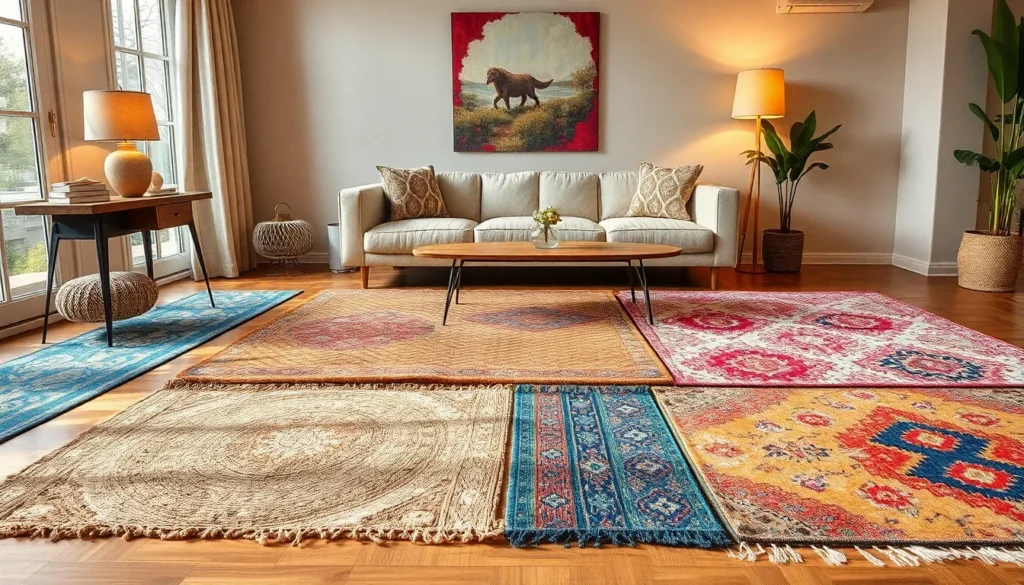
Area rugs come in various types, each offering unique benefits and styles. Understanding these categories helps in making informed decisions that enhance home decor.
Natural Fiber Rugs
Natural fiber rugs, crafted from materials like jute, sisal, or wool, provide durability and texture. These rugs are environmentally friendly and often exude a rustic charm. They are excellent for high-traffic areas due to their robust construction. Wool rugs, in particular, offer warmth and softness, making them ideal for living rooms or bedrooms. Additionally, natural fiber rugs are hypoallergenic, promoting healthier indoor air quality.
Synthetic Fiber Rugs
Synthetic fiber rugs, made from materials such as nylon, polyester, or polypropylene, offer affordability and versatility. These rugs withstand moisture, making them suitable for areas such as kitchens or bathrooms. They come in a wide variety of colors and patterns, allowing easy integration into any decor style. Synthetic options often require minimal maintenance and can be spot-cleaned, proving practical for households with children or pets.
Oriental and Persian Rugs
Oriental and Persian rugs are renowned for their intricate designs and rich cultural heritage. Each piece often tells a story through its patterns and colors, making them unique statements in any room. These rugs are typically made from high-quality wool or silk, presenting a luxurious feel and long-lasting durability. While they can be a higher investment, their timeless aesthetic and craftsmanship can elevate a home’s elegance, making them cherished heirlooms over time.
Factors to Consider When Choosing Area Rugs
Selecting the right area rug involves multiple considerations to ensure it fits both the aesthetic and functional aspects of a room. Key factors include size and shape, material and durability, and design and color.
Size and Shape
Choosing the appropriate size and shape for an area rug is essential. Rugs should either complement or define a space effectively. Common sizes include 5×8, 8×10, and 9×12 feet, catering to various room dimensions. For living rooms, place the front legs of furniture on the rug to create unity, while in dining areas, ensure the rug extends under the chairs when pulled out. Rectangular and round shapes suit different layouts; rectangular rugs work well in elongated spaces, while round rugs soften angular environments.
Material and Durability
Material significantly affects an area rug’s durability and maintenance. Wool rugs are highly durable and naturally stain-resistant, making them suitable for high-traffic areas. Synthetic options like nylon and polyester provide affordability and easy cleaning, ideal for moisture-prone spaces such as kitchens or bathrooms. Natural fibers, including jute and sisal, offer eco-friendly durability but require more careful cleaning methods. Evaluate the material based on the room’s specific needs, ensuring it aligns with lifestyle demands.
Design and Color
Design and color play a crucial role in harmonizing the decor. Consider patterns, textures, and color schemes that enhance the overall theme of the room. For vibrant spaces, bold patterns can serve as a focal point, while neutral shades can create a calming effect. Explore various styles, from traditional Persian patterns to modern geometrics, ensuring the chosen design complements existing furniture and decor. Integrating the right colors can elevate the space, making it feel coordinated and inviting.
Care and Maintenance of Area Rugs
Proper care and maintenance of area rugs ensure their longevity and aesthetic appeal. Regular cleaning and stain removal techniques are essential for preserving the quality of these decorative elements.
Regular Cleaning Tips
- Vacuum regularly to remove dust, dirt, and allergens. Aim for at least once a week, or more frequently in high-traffic areas.
- Use a vacuum cleaner without a beater bar or a brush attachment to prevent damaging fibers.
- Rotate rugs every six months to distribute wear evenly. This helps maintain color and texture.
- Spot clean spills immediately with a clean, dry cloth. Blot, don’t rub, to remove moisture effectively.
- Consider professional cleaning every 1-2 years, especially for delicate or valuable rugs. This maintains their appearance and extends their lifespan.
Stain Removal Techniques
- Act quickly after a spill. The longer a stain sits, the harder it becomes to remove.
- For food or drink stains, use a mixture of mild dish soap and water. Apply with a cloth and blot gently.
- For pet accidents, enzymatic cleaners break down stains and odors effectively. Follow the manufacturer’s instructions for application.
- For ink stains, use rubbing alcohol on a cotton ball. Dab gently until the stain disappears, and rinse with water afterward.
- For persistent stains, consult a professional rug cleaner for special treatments tailored to specific materials.
Area rugs play a vital role in enhancing the aesthetics and functionality of any home. By carefully considering size, material, and placement, individuals can create inviting spaces that reflect their personal style. The diverse range of options available allows for unique expressions in design, from the warmth of natural fibers to the versatility of synthetics.
Proper care and maintenance ensure that these essential decor elements remain beautiful for years to come. Investing time in selecting the right area rug can significantly elevate a room’s ambiance, making it a worthwhile endeavor for anyone looking to improve their living environment.