Table of Contents
ToggleIf you’ve ever watched traditional wicker furniture fall apart after a single rainy season, you know the frustration. Real wicker, made from rattan or willow, breathes and weathers beautifully indoors but crumbles outdoors. That’s where HDPE wicker comes in. HDPE (high-density polyethylene) wicker looks, feels, and ages like real wicker while resisting moisture, UV damage, and temperature swings that destroy natural fibers. For homeowners tired of replacing outdoor furniture every few years or maintaining it obsessively, HDPE wicker patio furniture offers a practical, honest alternative that doesn’t require the trade-offs.
Key Takeaways
- HDPE wicker patio furniture resists moisture, UV damage, and temperature extremes while maintaining the authentic look of natural wicker without the maintenance burden.
- HDPE wicker furniture lasts 15–20 years compared to 5–7 years for quality natural wicker, making it a more cost-effective long-term investment for outdoor spaces.
- Quality HDPE sets require minimal maintenance—just periodic rinsing and bolt-tightening—versus the annual sealing and seasonal care natural wicker demands.
- Frame material (aluminum, stainless steel, or powder-coated steel) and cushion density (at least 2.5 lb/cu ft foam) significantly impact durability and comfort of HDPE wicker pieces.
- In humid, coastal, or high-UV climates, HDPE wicker’s premium cost pays for itself through reduced replacement cycles and elimination of mildew, rot, and fading problems.
What Is HDPE Wicker and Why It Matters for Your Patio
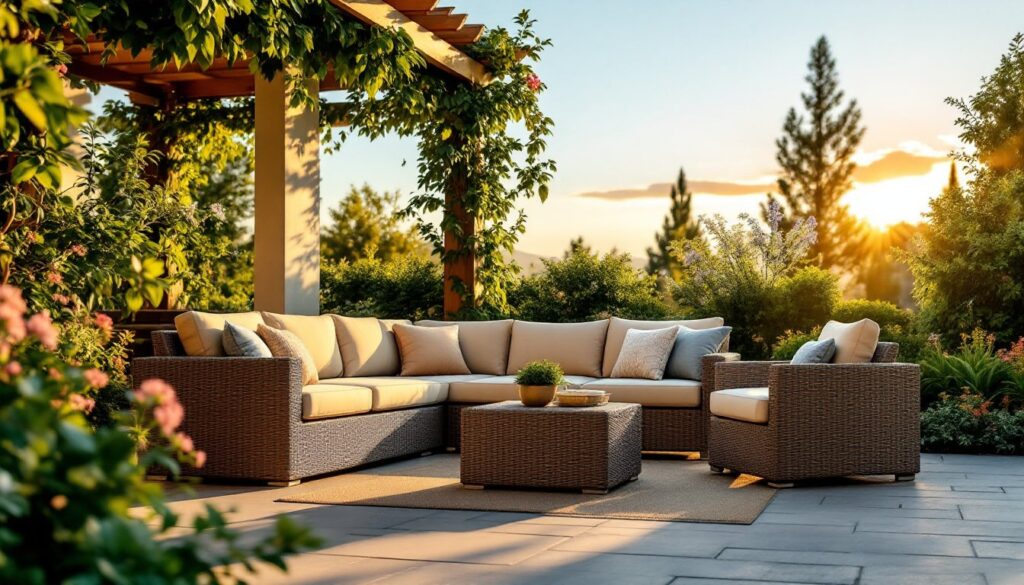
HDPE wicker is a synthetic material made from high-density polyethylene strands, woven or wrapped around aluminum or steel frames in the same pattern as traditional wicker. Unlike cheap vinyl or plastic furniture that looks generic, HDPE is engineered to mimic the texture, color variation, and weave of authentic rattan.
The key difference lies in durability. Traditional wicker absorbs water, swells, splits, and mildews in humid climates. HDPE doesn’t absorb water at all, which means no rot, no mold, and no need to bring cushions inside after every rainstorm. The material remains stable across temperature extremes, from scorching sun to freezing winters, without cracking or fading as quickly as cheaper plastics.
Why does this matter for your patio? Real talk: outdoor furniture is an investment. Whether you’re furnishing a small balcony or a sprawling deck, spending on pieces that last 10+ years instead of 2–3 makes financial sense. HDPE furniture also requires minimal maintenance compared to traditional wicker, which demands regular sealing, cleaning, and seasonal care.
The Durability Advantage: How HDPE Outperforms Traditional Wicker
HDPE wicker doesn’t compete on looks alone, it outperforms in the areas that matter most for outdoor use.
Weather Resistance and Longevity Benefits
Traditional wicker deteriorates predictably: sun fades it, moisture weakens the fibers, and UV rays break down the structure from the inside out. HDPE resists all three. The material is UV-stabilized, meaning outdoor exposure won’t reduce it to a brittle mess. Water doesn’t penetrate it, so salt spray from coastal climates, humidity in tropical regions, or simple freeze-thaw cycles don’t crack it open.
Longevity tests from manufacturers show HDPE wicker furniture lasting 15–20 years with minimal intervention, versus 5–7 years for quality natural wicker. That’s not marketing, it’s physics. A solid HDPE frame (typically aluminum, which won’t rust) wrapped in UV-stabilized strands simply has fewer failure points than natural fibers exposed to the elements.
The cushions and hardware matter too. Most HDPE sets pair the frames with acrylic-blend cushions (which resist mildew and fading better than standard foam) and stainless-steel hardware (that won’t corrode). Southern Living outdoor living ideas showcase how durable furnishings anchor long-term patio designs, and HDPE is the material that makes that feasible in challenging climates.
Choosing the Right HDPE Wicker Patio Set for Your Space
Not all HDPE wicker is built the same. Quality varies based on strand thickness, frame material, weave density, and cushion construction.
Style, Color, and Configuration Options
HDPE wicker comes in a range of colorways: natural rattan tones (light tan, honey), modern grays and charcoals, and bold blacks. Some manufacturers offer two-tone weaves (darker frame strands against lighter accent strands) to add visual depth. Weave patterns vary too, tighter, denser weaves look more refined and formal, while looser, open patterns feel casual and contemporary.
Configurations range from simple two-seat loveseat sets to large sectionals with corner modules, chaise lounges, and matching tables. Before buying, measure your space (including vertical clearance if you have an awning or pergola). A cramped sectional overwhelms a small patio: undersized furniture makes a large deck feel empty.
Frame material affects both durability and weight. Aluminum frames are lightweight and won’t rust, ideal for coastal properties. Stainless-steel frames are heavier but more robust. Steel frames with powder-coat finishes are affordable and solid for non-coastal climates. The Spruce home improvement guides detail outdoor space planning, which helps you visualize configurations before committing to a purchase.
Cushion thickness and density matter more than color. A 5–6 inch seat cushion with high-density foam (at least 2.5 lb/cu ft density) will hold its shape longer than thin cushions. Water-resistant covers (solution-dyed acrylic is standard) prevent mildew and staining.
Maintenance and Care Tips for Long-Lasting Outdoor Furniture
HDPE wicker is low-maintenance, but “low” doesn’t mean “none.”
Clean your furniture every couple of months (or after heavy pollen or salt spray) with a garden hose and soft brush. Use mild soap and water if needed: avoid harsh chemicals or pressure washers, which can damage the weave. Rinse thoroughly and let air-dry.
Cushions need seasonal attention. Brush off debris regularly and wipe spills immediately with a damp cloth. Store cushions indoors during off-season (fall/winter in cold climates) or use waterproof storage boxes if you’re leaving them outside. Acrylic covers dry quickly and resist mildew, but moisture sitting in the foam invites problems.
Check frame joints and fasteners yearly. Bolts can loosen from movement and weather changes, tighten them gently with the appropriate wrench. If the frame is aluminum, it won’t rust, but if it’s painted steel, touch up any chips with exterior paint to prevent corrosion.
For stubborn stains or mildew on cushions, a 10% vinegar solution works well. Spray, let sit 15 minutes, scrub gently, and rinse. Avoid bleach, which can fade acrylic covers.
Gardenista landscape design tips emphasize the role of well-maintained furnishings in outdoor aesthetics, and HDPE wicker makes that maintenance genuinely manageable compared to wood, metal, or natural wicker alternatives.
Cost-Benefit Analysis: Investment Value and Long-Term Savings
Entry-level HDPE wicker conversation sets (two chairs, one table) run $300–$600. Mid-range four-piece sets (two chairs, loveseat, table) cost $800–$1,500. Premium sectionals with multiple modules can exceed $3,000.
That sounds steep until you do the math. A solid natural wicker set at $1,200 lasts 5–7 years before major repairs or replacement become necessary. An HDPE set at the same price lasts 15–20 years. Over 20 years, you’d replace natural wicker 3–4 times (total: $3,600–$4,800). The HDPE purchase pays for itself in reduced replacement costs alone.
Add maintenance savings: natural wicker requires annual sealing, regular mildew treatment, and seasonal cushion storage. HDPE requires a rinse and occasional bolt-tightening. Over two decades, the time and cost difference is substantial.
Cushion replacement is the main ongoing cost. Quality outdoor cushions last 5–7 years: budget $200–$400 to replace a full set. Compare that to replacing the entire frame, structure, and hardware when natural wicker fails.
Location matters. If you live in a humid, coastal, or high-UV climate, HDPE’s premium cost makes even more sense because natural wicker degrades faster. In temperate, dry climates, the longevity gap shrinks slightly, but weather protection and mildew resistance still add value.
Final reality check: HDPE wicker won’t feel or age exactly like high-quality teak or wrought iron. But for the price, it’s the honest choice, durable, practical, and genuinely low-maintenance without pretense.