
Table of Contents
ToggleA patio side table is one of those small decisions that makes a surprisingly big difference in outdoor living. Whether you’re sipping morning coffee on the deck or hosting friends for evening drinks, having a convenient spot to set down a glass, book, or phone transforms how you actually use your space. Yet many homeowners treat patio furniture side tables as an afterthought, picking whatever’s on sale without considering how materials hold up to sun, rain, and temperature swings. The reality is that a well-chosen patio furniture side table becomes a workhorse, lasting years while looking good and earning its spot in your outdoor layout. This guide walks you through what matters: materials that won’t rot or rust, sizing that fits your space, style that complements your décor, and maintenance routines that keep your table in shape.
Key Takeaways
- A quality patio furniture side table enhances both functionality and visual appeal by providing convenient surface space while anchoring your outdoor design scheme.
- Choose materials based on climate and maintenance tolerance: teak offers 20+ years of durability, composite materials provide low-maintenance alternatives, and metal requires minimal upkeep but may need rust touch-ups.
- Select a patio furniture side table sized between 16–24 inches wide with 18–20 inch height to match standard outdoor furniture and allow 12–18 inches of clearance for foot traffic.
- Match your side table’s style, material, and color tone to existing outdoor furniture and hardscape elements to create a cohesive, intentional patio layout.
- Extend your table’s lifespan through regular maintenance: wood needs annual staining, metal benefits from seasonal inspections, and composite tables require only hose-rinsing and occasional soft cleaning.
Why Your Patio Needs a Quality Side Table
A patio furniture side table isn’t just decorative, it solves real problems. It holds drinks at arm’s reach so you’re not making trips inside every five minutes. It gives guests a place to set their plates during outdoor meals without balancing them on their laps. It keeps remote controls, bug spray, or sunscreen within reach without cluttering your main dining or lounging surface.
Beyond function, a quality side table anchors your outdoor zone visually. A mismatched or flimsy table undercuts an otherwise thoughtful patio layout, while the right one ties furniture groupings together and makes the space feel intentional. Unlike indoor furniture, outdoor pieces face constant UV exposure, moisture, temperature swings, and sometimes salt air or harsh weather. A cheap side table might fade in two seasons or develop rust spots by fall. Investing in better materials and construction means your table looks presentable and stays stable year after year.
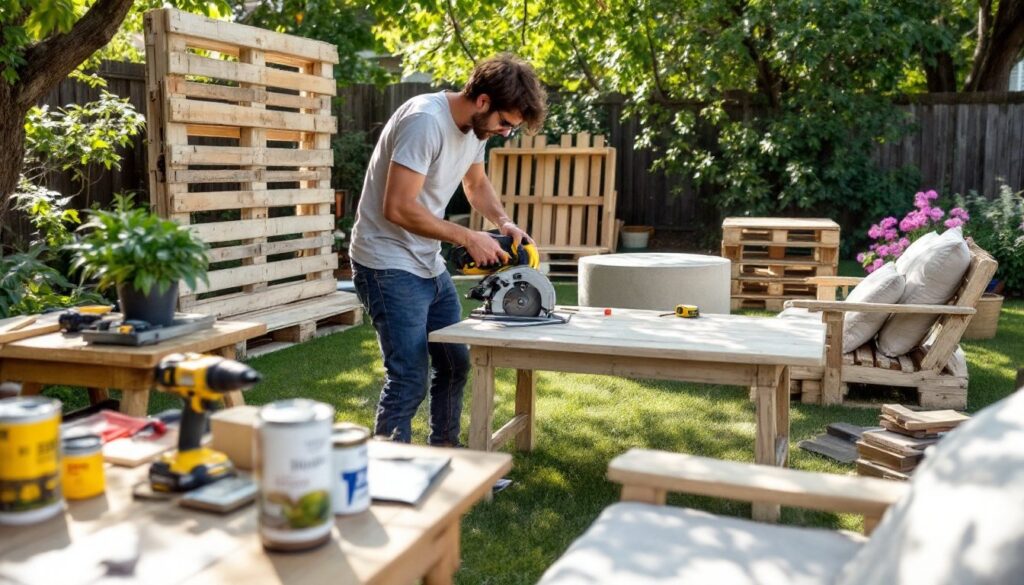
Many DIYers also discover that building or customizing their own patio side table is a rewarding weekend project. If that appeals to you, understanding materials and construction methods helps you make smarter choices, whether you buy ready-made or pick up plans for a woodworking build.
Materials That Stand Up to Outdoor Conditions
Outdoor conditions demand materials that resist moisture, UV light, and temperature swings. There’s no single “best” option, each has trade-offs in durability, appearance, and upkeep.
Wood vs. Metal vs. Composite Options
Teak and hardwood are traditional outdoor choices because they naturally resist rot and insects. Teak contains oils that make it highly weather-resistant, so it lasts 20+ years with minimal treatment. The downside is cost and the fact that it grays over time unless you oil it seasonally. Pressure-treated lumber is much cheaper and works well if you plan to stain or seal it regularly. Standard nominal 2×4 or 2×6 lumber (actual dimensions 1.5″ × 3.5″ or 1.5″ × 5.5″) is common for DIY builds. It needs resealing every 1–2 years to prevent rot, especially in damp climates.
Metal tables, typically aluminum or steel, resist rust and rot entirely, making them low-maintenance. Aluminum doesn’t rust and is lightweight, so moving the table is easy. Steel is heavier and stronger but rusts if the finish gets scratched, so it needs paint or powder-coating touch-ups. wrought iron looks beautiful but requires more care. Consider modern design inspiration from contemporary furniture sources when evaluating metal styles that match current aesthetics.
Composite materials like recycled plastic-wood blends offer a middle ground. They don’t rot, splinter, or attract insects, and they need less maintenance than natural wood. They’re pricier than pressure-treated lumber but often cheaper than quality teak. They can fade or stain over time and aren’t quite as temperature-resistant as metal, but they’re durable for 15–20 years with minimal upkeep.
Resin and plastic tables are budget-friendly and waterproof but feel flimsy and fade quickly in direct sun. They work for renters or casual setups but typically last 3–5 years before looking shabby.
For DIY builders considering a woodworking project, detailed furniture building tutorials and tool reviews can guide you through construction, finishing, and wood selection specific to your climate and timeline.
Choosing the Right Size and Style for Your Space
A patio furniture side table that’s too small feels cramped: one that’s too large dominates a small patio. Most side tables range from 16″ to 24″ wide and 16″ to 20″ deep, with heights between 18″ and 20″ to align with standard lounge chairs and dining seats. Measure your space and the existing furniture before ordering or building. If the table sits between two loungers, make sure there’s 12–18 inches of clearance on each side so guests can walk past without bumping shins.
Consider traffic flow and sightlines too. A corner placement is less disruptive than smack in the middle of a walkway. If your patio is visible from the house or street, the table contributes to curb appeal, so choosing a style that reads as intentional matters.
Matching Your Existing Décor
A side table should harmonize with your outdoor furniture and hardscape, not clash. If you have a modern composite or metal patio set, a rustic wooden table feels out of place. Conversely, a minimalist glass-and-steel side table looks awkward next to cushioned wicker chairs.
Look at shape, color, and material grain. A table with clean lines suits contemporary schemes: curved edges and natural wood tone work with traditional or Mediterranean styles. If your patio already has a dominant material, such as a stone deck or metal pergola, echoing that in your side table ties things together. Color matters too: a dark walnut table grounds a space visually, while light gray or whitewashed finishes feel airy on small patios.
Don’t assume you need to match exactly. A slightly different shade of the same material, or a complementary metal or wood tone, often looks intentional rather than matchy-matchy. Outdoor living space design ideas showcase how professional designers layer materials and styles to create cohesive patios that don’t feel forced.
Maintenance and Care Tips for Long-Lasting Tables
Even the best materials need some TLC to look good and function well for years.
Wood tables require the most hands-on care. Wipe spills promptly, standing water leads to rot. Once or twice a year, clean with a soft brush and mild soap, then rinse thoroughly. Apply a UV-protective stain or sealant every 1–2 years, following the product’s dry-time guidelines. Use a 2″ natural-bristle brush to avoid lap marks, and always stain in the shade on a dry day. If wood weathers to gray, you can sand and restain if you want the original color back, but honest gray patina is also handsome and requires no action.
Metal tables need occasional wiping to prevent salt or dirt buildup. For aluminum, a damp cloth and mild soap suffice. Steel and wrought iron benefit from a quick inspection every few months: if you spot rust starting at a scratch or fastener, sand lightly and touch up with metal paint or rust converter. Most modern outdoor metal furniture has a powder-coat finish that’s more durable than old paint, so small touch-ups are rare if the table is well-maintained.
Composite tables are lowest-maintenance. Rinse with a hose and wipe with a soft cloth. Stubborn stains may need a deck cleaner or weak bleach solution, but avoid aggressive scrubbing. Avoid placing hot items directly on composite: use coasters or trivets to prevent fading or slight melting of the surface.
For all tables, store cushions and small items indoors over winter, or use a furniture cover if you leave the table outside year-round. In harsh climates (heavy snow, salt spray, extreme heat), a cover extends the table’s life significantly. Clean gutters and check for pooled water around the patio base, as runoff can prematurely age wood or corrode fasteners.
If you built your own table, inspect joinery and fasteners seasonally. Tighten any loose bolts, and if wood begins to split near fasteners, move the bolt slightly or drill a new hole rather than re-torquing the same hole.
Conclusion
A patio furniture side table might seem like a small detail, but it’s one of those pieces that earns its place through constant use. Choose materials that suit your climate and maintenance tolerance, size it to your space, and style it to harmonize with what you’ve already built. Whether you buy ready-made or take on a weekend DIY build, the right side table makes your outdoor space more livable, more beautiful, and ready for years of coffee, conversations, and sunset views.