Table of Contents
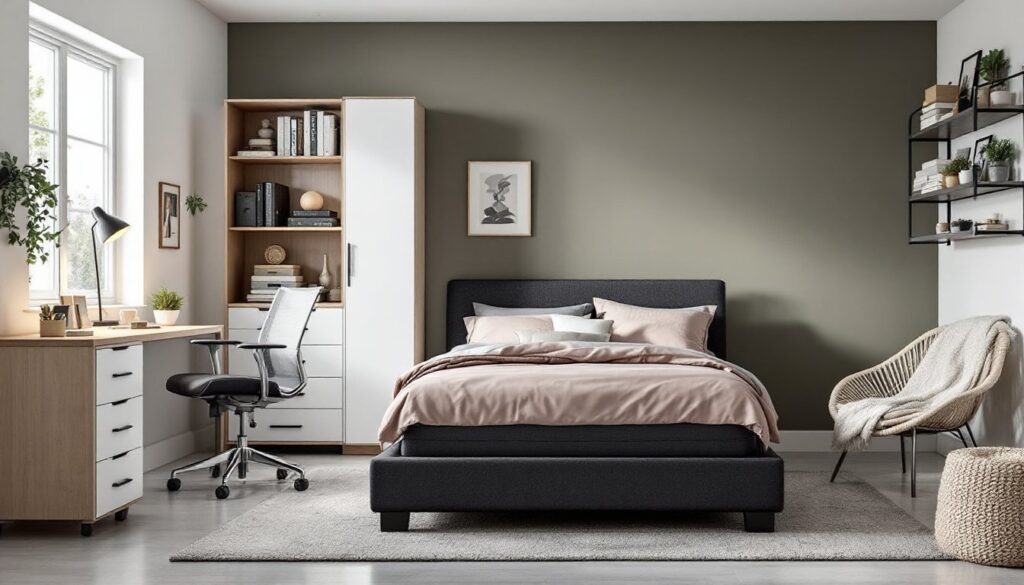
ToggleFurnishing a teenager’s bedroom isn’t just about filling the space, it’s about creating a place where studying, sleeping, and downtime all happen without tripping over piles of laundry or losing assignments under stacks of books. Teens need furniture that works harder than their childhood stuff, handling assignments sessions, friend hangouts, and the constant flux of a growing person’s interests. The right bedroom furniture strikes a balance between what a teenager actually wants to live with and what functions well enough to support their daily life. This guide covers the practical side of choosing beds, storage, desks, and seating that’ll last through these crucial years without requiring a complete overhaul next season.
Key Takeaways
- A quality teenager bedroom furniture setup requires a medium-firm mattress (queen or full size), durable frame, and smart storage to support studying, sleeping, and social time without constant reorganization.
- Vertical storage solutions like tall dressers, wall-mounted shelves, and closet organizers maximize small bedroom space while keeping the floor open and making rooms feel larger.
- A proper desk setup should be at least 48 inches wide with standard 29–30 inch height to maintain good posture, paired with adjustable desk chairs and overhead shelving for supplies within arm’s reach.
- Teen bedroom layouts function best when traffic flow remains clear, the work zone has natural light away from distractions, and storage is distributed around the perimeter to keep the center open.
- Modular and flexible furniture pieces—from mobile storage bins to adjustable shelving—allow teenager bedroom furniture to adapt as tastes and needs evolve from freshman through senior year.
- Beyond functional pieces, adding a reading nook, comfortable accent chair, or bean bag creates inviting downtime spaces that encourage teens to actually enjoy spending time in their own room.
Choosing the Right Bed Frame and Mattress for Growing Teens
A teenager’s bed needs to handle late-night cramming, morning laziness, and the occasional friend sleepover. Start with the mattress: teens typically need either a queen size (60″ × 80″) or full size (54″ × 75″), depending on bedroom space and personal preference. A queen offers more sprawl room without completely eating the floor plan: a full works fine for most teens and leaves room for other furniture.
Mattress firmness matters more than you might think. A medium-firm mattress works best for developing spines, soft beds provide poor support, while overly firm ones feel uncomfortable for a growing body. Memory foam or hybrid mattresses (combining coils with foam layers) tend to balance comfort and longevity well. Expect to spend $300–$600 for a decent teen-appropriate mattress that’ll last 7–10 years.
Frame choice is part style, part durability. Metal frames are lightweight, durable, and easy to move when rearranging: wood frames offer warmth and can handle some abuse. Platform beds eliminate the need for a box spring, freeing up under-bed storage space, a real advantage in small rooms. If the frame doesn’t have a center support rail, add one when assembling: without it, a queen mattress will sag over time, especially with active use.
Storage Solutions That Maximize Small Bedroom Spaces
Small bedrooms demand ruthless storage strategy. Vertical space is your friend, tall dressers, wall-mounted shelves, and closet organizers keep the floor open and make the room feel larger. A low-profile dresser (under 45″ tall) won’t dominate a small room visually, while a tall narrow shelving unit (24″ wide × 72″ tall) holds just as much without spreading out.
Drawers matter more than you’d think. A dresser with smooth-gliding, full-extension drawers makes it actually possible for a teen to find socks without dismantling the whole thing. Quality hinges and drawer slides prevent the wobble-and-jam that happens with cheap furniture after two years of daily use.
Under-Bed Organizers and Drawer Systems
Under-bed space is wasted real estate in most bedrooms. Shallow storage bins on wheels (8–12″ tall) slide easily for access and work great for off-season clothes, extra bedding, or hobby supplies. Choose bins with handles, flimsy plastic cracks, and your teen ends up pulling everything out to grab one item.
For clothing, vertical drawer dividers inside a dresser help keep everything visible and prevent the dreaded buried-shirt problem. Some teens prefer hanging organizers (22-pocket over-door or closet-mounted styles) for smaller items like socks, belts, or accessories. Sites like IKEA Hackers show creative ways to stretch basic storage furniture with simple modifications, like adding shelves inside a closet or stacking bins more efficiently.
Desk and Study Furniture for Remote Learning and Hobbies
A solid desk setup supports assignments, online classes, and hobbies without feeling cramped. A 48-inch wide desk (24″ deep) is the minimum sweet spot, narrower than that, and a laptop, keyboard, and a notebook leave nowhere to write. If space is tight, a corner desk (36″ × 36″) works, though it eats two walls.
Desk height matters for posture. Standard desk height is 29–30 inches from the floor to the work surface. Your teen’s feet should rest flat on the floor (or a footrest if they’re shorter), elbows at roughly 90 degrees when typing. If the desk is too high, a lumbar support pillow or adjustable chair helps maintain position during long study sessions.
Storage built into the desk itself keeps supplies close without adding bulk. Shelves above the desk (floating shelves at 12–18″ above the work surface) let a teen reach notepads and reference books without spinning around. A desk with side shelves or hutch can hold a monitor riser, storing space underneath for headphones or speakers.
Drawers should have dividers or a desk organizer to keep pens, USB drives, and cables corralled. A teen who has to hunt through junk for a charger wastes time that should be studying. For DIY furniture builds, Ana White offers free, beginner-friendly plans for simple desk builds and storage solutions that fit most room dimensions.
Seating Options That Add Comfort and Personality
Beyond the bed, seating defines how usable a bedroom actually is. A comfortable desk chair is non-negotiable. Look for models with adjustable height, lumbar support, and a swivel base, cheap chairs with fixed height and rigid backs make studying feel like a punishment. Mesh chairs stay cooler during marathon sessions, while padded fabric or leather offers more comfort if your teen’s working for hours at a stretch.
For relaxation seating, a low-profile accent chair, bean bag, or floor cushion adds flexibility without consuming precious floor space. Bean bags are forgiving (teens spill things: it happens) and easy to move when rearranging. Floor cushions cost less and pile away when not needed. If floor space allows, a small loveseat or daybed works double duty as extra seating and guest sleeping space.
A reading nook, even a simple corner with a cushion and a small table, signals to a teen that downtime belongs in the bedroom. Pair it with adjustable task lighting to prevent eye strain. Wall-mounted shelves above a reading chair hold books without requiring a separate bookcase that eats floor space.
Creating a Functional Layout That Grows With Your Teen
Room layout sets the tone for whether a bedroom actually functions or becomes a storage unit with a sleeping bag on top. Start by mapping the natural traffic flow: a path from the door to the bed and from the bed to the closet should be clear and easy, not requiring a parkour move around furniture.
The work zone (desk area) should have good natural light if possible, positioned away from the bed to reinforce that the desk is for focus, not distraction. Avoid putting the desk where a teen has a direct view of the TV or game console: the temptation to multitask is real.
The sleep zone works best with the bed as a visual anchor, not crammed into a corner but positioned so the room feels intentional, not crowded. Wall space matters: a bed against a solid wall (not a windowed wall) keeps things simpler.
Storage should be distributed, not bunched in one corner. Spreading dressers, shelving, and organizers around the perimeter keeps the center open and makes the room feel bigger than it is.
As teens change, a freshman’s needs differ from a senior’s, flexible furniture pays dividends. Modular shelving, mobile storage bins, and a desk that doesn’t require a structural engineering degree to move make it easy to adapt layouts without buying everything over. Resources like Making Manzanita showcase ideas for refreshing furniture with paint and hardware swaps, stretching budgets when a teen’s style evolves faster than the furniture.
Conclusion
Teenager bedroom furniture works best when it balances durability, adaptability, and honest aesthetics. A quality mattress, smart storage, a proper work desk, and flexible seating give a teen a functional space to study, sleep, and be themselves, without requiring a complete renovation every two years. Measure twice, prioritize what your teen actually uses daily, and don’t over-buy. The best bedroom is one your teenager will actually keep organized and enjoy spending time in.