Table of Contents
ToggleOutdoor living spaces have become extensions of the home, and the right patio furniture transforms a bare deck or yard into a functional retreat. Better Homes and Gardens patio furniture has earned its place in millions of homes by blending affordability with solid design and construction. Whether you’re updating a small balcony or outfitting an expansive backyard, this guide walks you through what makes BHG furniture a smart choice, what styles fit your space, and how to keep your investment looking good for years. We’ll cover durability considerations, budget-conscious shopping strategies, and maintenance tips that prevent premature wear, because nobody wants wobbly chairs after one season.
Key Takeaways
- Better Homes and Gardens patio furniture strikes a practical balance between affordability and quality, offering solid construction and weather-resistant materials available at mainstream retailers.
- Choose rustic and cottage-inspired designs for established yards if you’re willing to maintain wood-and-metal combinations, or opt for modern aluminum and all-weather wicker collections for lower-maintenance outdoor living.
- Material selection determines durability: aluminum frames resist rust in coastal areas, steel requires rust-preventative coating, and wood components like teak demand seasonal treatment or staining.
- Stretch your budget by shopping seasonal sales (30–50% off in late summer and holidays), purchasing frames without cushions first, and mixing pieces from different Better Homes and Gardens collections.
- Basic maintenance—monthly cleaning, proper cushion storage, breathable covers, and regular hardware inspections—is key to extending your patio furniture’s lifespan from five to ten years.
- Cushion longevity typically ranges from 3–7 years depending on UV exposure and care, so buying frames separately allows you to upgrade cushions without replacing entire pieces.
Why Better Homes and Gardens Patio Furniture Stands Out
Better Homes and Gardens (BHG) furniture occupies a practical middle ground in the outdoor furniture market. It’s neither the budget-basement option nor the designer-premium price point, it’s furniture built with the average homeowner in mind. The brand consistently delivers recognizable quality: solid joinery, weather-resistant materials, and designs that don’t scream “cheap” or feel dated after two seasons.
One key advantage is the range available at mainstream retailers. You’ll find BHG furniture at Walmart, Amazon, and other major distributors, which means easy availability, competitive pricing, and customer return policies that favor you. This isn’t exclusive luxury furniture: it’s everyday outdoor living that works. The company invests in understanding what homeowners actually need, curved armrests instead of aggressive angles, seat depths that accommodate real people, and finishes that tolerate spills and weather.
BHG also excels at mixing price tiers. You can grab a budget-friendly bistro set for a small space or invest in sectional pieces with premium cushions for larger gatherings. This flexibility makes it realistic to upgrade over time without very costly.
Popular Collections and Styles to Consider
Better Homes and Gardens releases seasonal collections, so what’s available shifts throughout the year. But, certain style families remain consistent and worth understanding before you shop.
Rustic and Cottage-Inspired Designs
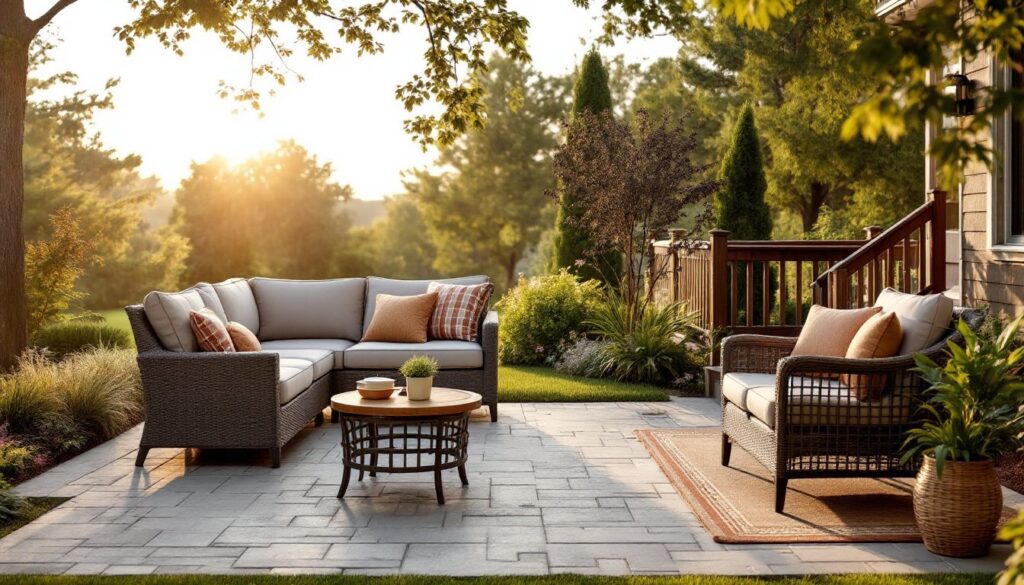
These collections tap into natural materials and warm finishes. You’ll see wrought-iron frames with cushioned seating, wooden slat designs, and earth-tone color palettes. Rustic pieces work beautifully in established yards with flower beds, shade trees, or natural landscape elements. The downside: wood-and-metal combinations require more maintenance than all-synthetic options. You’ll need to inspect metal welds for rust and treat wood finishes seasonally if you live in a humid or freeze-thaw climate. That said, if you don’t mind occasional refinishing, the aesthetic payoff is substantial, these pieces age gracefully and develop character rather than just looking worn.
Modern and Contemporary Options
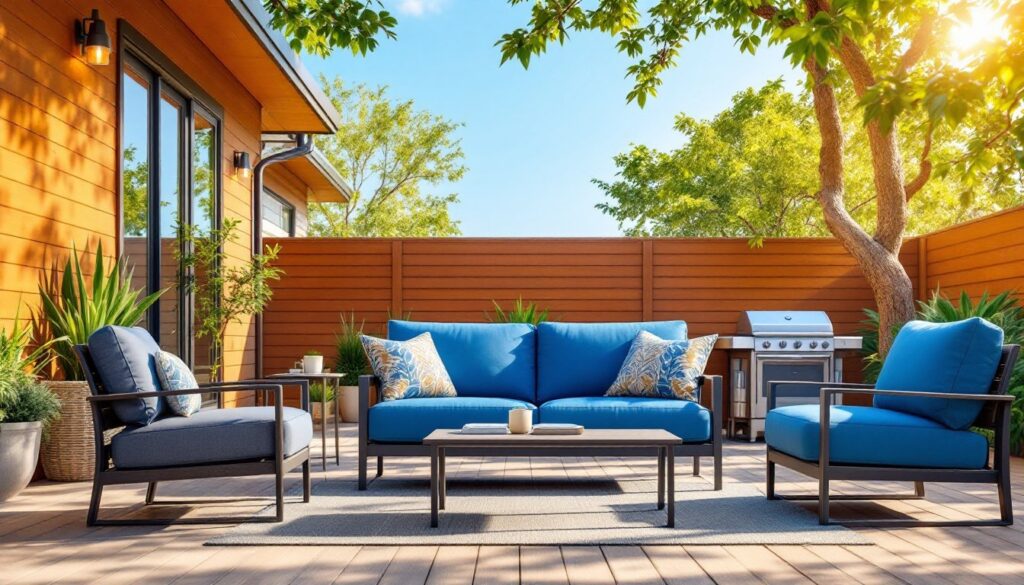
BHG’s contemporary lines favor clean lines, geometric shapes, and materials like powder-coated aluminum and all-weather wicker. These typically require less fussing than rustic pieces and suit minimalist yards, urban patios, and homes with modern architecture. Aluminum frames are lightweight (good for rearranging) and resist rust. All-weather wicker mimics natural rattan but won’t fray, rot, or attract insects. Modern collections often pair well with neutral or monochromatic cushions, which keeps visual clutter down and makes seasonal cushion swaps straightforward.
Quality, Durability, and Material Guide
Patio furniture durability hinges on materials and your local climate. Understanding what you’re getting helps you match the right collection to your situation.
Aluminum frames are lightweight, rust-resistant, and ideal for humid or coastal areas. They don’t require priming or protection but can transmit heat on hot days (metal gets painfully hot). Powder-coated finishes add durability by sealing the aluminum against UV degradation and scratches.
Steel frames (common in rustic designs) are heavier and stronger but rust without proper coating. Look for rust-resistant paint or lacquer finishes. If you spot surface rust forming, sand it back and repaint with rust-preventative paint, catching this early saves the entire frame.
Wood components (teak, acacia, or pressure-treated pine) demand seasonal attention. Teak naturally resists decay but needs occasional oil to maintain color. Pressure-treated lumber is budget-friendly and rot-resistant but may splinter and requires staining or sealing every 1–2 years depending on exposure.
Cushioning and fabric vary widely. High-quality outdoor cushions use foam that resists water absorption and antimicrobial treatments to prevent mildew. The fabric itself should be solution-dyed (color runs through the fiber, not on the surface) so fading is less dramatic. According to comprehensive guides on selecting patio furniture, cushion longevity typically ranges from 3–7 years depending on UV exposure and care.
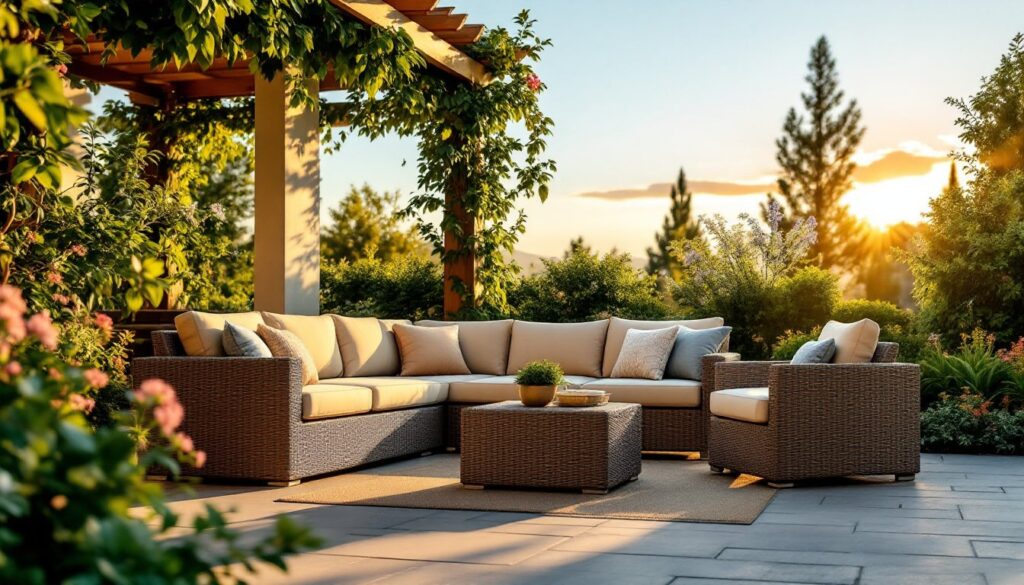
All-weather wicker (synthetic resin-based) won’t unravel like natural rattan and resists UV damage well. It’s durable in most climates and easier to clean with a hose than natural materials. Be aware that dense weaving can trap moisture in humid climates, so ensure adequate drainage beneath cushions.
Budget-Friendly Tips and Where to Shop
Better Homes and Gardens furniture price tags range from roughly $150 for a simple two-chair bistro set to $2,000+ for multi-piece sectionals with quality cushions. Smart shopping stretches your budget.
Shop seasonal sales. End-of-summer and holiday clearance events drop prices 30–50%. Buying in September for next year’s season is a favorite move among seasoned DIYers. Retailers clear inventory to make room for indoor furniture collections as fall approaches.
Mix and match. You don’t need a matching set. Pair a BHG sectional base with cushions from another source or combine frames from different collections if you find complementary designs. This approach lets you prioritize budget on high-traffic pieces (the sectional) while economizing elsewhere.
Consider alternatives if budget is tight. Z Home Furnishings: Transform offers competitive options if you’re exploring beyond BHG, and understanding the full market helps you make confident choices.
Buy without cushions initially. Base furniture often lasts longer than cushions, so purchasing frames first and shopping for cushions separately gives you flexibility to upgrade cushions without replacing entire pieces.
Check online inventory before visiting stores. Stock varies by location and season. Ordering online often reveals sale items or regional availability that brick-and-mortar locations don’t advertise prominently.
Maintenance and Care for Long-Lasting Results
The difference between patio furniture that lasts five years and furniture that lasts ten often comes down to basic maintenance. Invest time upfront, and your BHG pieces will reward you.
Cleaning routine: Wipe frames and surfaces monthly with mild soap and water during the season. For stubborn dirt or mildew (common in humid climates), use a soft brush and diluted white vinegar. Never use pressure washers on wooden components, they splinter the grain. Rinse thoroughly and allow to dry before covering or storing.
Cushion care: Remove cushions during heavy rain and bring them inside for winter in freeze-thaw zones. Sunfade is inevitable, but you can slow it by storing cushions indoors during off-season. Wash covers with a damp cloth or hose them down, but don’t submerge them unless the label permits machine washing. Mildew thrives on damp cushions, so always allow them to dry completely before stacking or storing.
Seasonal protection: In winter, cover your furniture with breathable patio furniture covers (not plastic tarps, which trap moisture). Store removable cushions indoors in a dry, ventilated space, a garage or shed beats an unheated shed where moisture accumulates.
Inspect joints and hardware regularly. Metal bolts can corrode, and wooden components can crack from freeze-thaw cycles. Tighten loose bolts, replace corroded hardware, and sand any rough edges that develop. This is preventative maintenance that costs almost nothing and prevents deterioration.
Resources like The Spruce’s home improvement how-tos and curated reviews of outdoor furniture offer detailed seasonal maintenance checklists if you want to dive deeper. The time you spend now preventing problems is far less than replacing damaged pieces later.