Table of Contents
ToggleA fire pit table is one of the smartest outdoor investments a homeowner can make. It combines warmth, ambiance, and functionality in a single piece, transforming a basic patio into an inviting gathering spot where family and friends actually want to spend time. Unlike traditional fire pits that eat up yard space and require constant maintenance, modern fire pit tables fit seamlessly into your existing furniture arrangement. Whether you’re upgrading a neglected backyard or creating an outdoor living area from scratch, choosing the right patio furniture with fire pit tables means balancing aesthetics, durability, and practical use. This guide walks you through selecting the perfect setup for your space, pairing complementary furniture, and keeping everything safe and well-maintained year-round.
Key Takeaways
- Patio furniture with fire pit tables combines warmth, ambiance, and functionality into a single focal point that extends your outdoor season from late spring through winter while improving both entertainment and relaxation.
- Choose between gas (easier control, cleaner operation) and wood-burning (authentic campfire experience) fire pit tables, ensuring the burner system uses stainless steel components and includes proper sealing to withstand weather and wind.
- Select a fire pit table size between 36–48 inches in diameter based on your patio layout and space constraints, and verify the height is around 28 inches with at least 24 inches clearance from flames to overhangs for safe seating.
- Pair your fire pit table with complementary weather-resistant seating like Adirondack chairs, side tables for drinks and snacks, and shade structures such as pergolas or retractable umbrellas to create a functional outdoor living zone.
- Maintain safety by enforcing a 10-foot clearance from overhanging branches, keeping children 3 feet from active fires, always having a fire extinguisher nearby, and following manufacturer guidelines for seasonal maintenance and winterization.
- Extend your fire pit table’s lifespan by performing regular maintenance—wiping steel surfaces dry, inspecting gas burners annually, raking lava stone, and removing ash buildup—while protecting the investment with proper covers during off-season storage.
Why Fire Pit Tables Are the Perfect Addition to Any Patio
Fire pit tables deliver practical and emotional benefits that traditional outdoor furniture can’t match. They extend your patio season from late spring into fall and even winter months in milder climates, meaning more evenings spent outside, even when temperatures drop. Unlike standalone fire pits that dominate a yard and force furniture to circle them awkwardly, fire pit tables work as a dining surface, a gathering point, and a heat source all at once.
These tables come in gas and wood-burning varieties, with gas models offering easier ignition and control while wood-burning versions deliver that authentic campfire experience. Modern designs fit everything from contemporary urban patios to rustic cottages, and many are built tough enough to last a decade or more with basic care. They encourage conversation, create a focal point for your outdoor space, and, frankly, look significantly more sophisticated than a bucket with flames. For homeowners who entertain regularly or simply want a cozy spot to unwind after work, a fire pit table justifies its cost through sheer usage.
Choosing the Right Fire Pit Table for Your Space
Picking the right fire pit table starts with honest assessment of your space, your climate, and how often you’ll actually use it. A table that works beautifully in a Mediterranean-style courtyard might overwhelm a modest urban balcony. Conversely, buying too small means watching guests crowd uncomfortable distances from the heat source.
Material and Durability Considerations
Steel and cast iron are the workhorses of fire pit tables. Steel (usually powder-coated) is lighter, rust-resistant, and affordable, ideal for renters or anyone moving in the next few years. Cast iron looks premium and conducts heat beautifully but requires ongoing treatment to prevent rust, especially in humid climates. Concrete or composite tables offer durability and weather resistance: they’re heavier but stay stable in wind and age gracefully.
The burner system matters just as much as the frame. Stainless steel burners resist corrosion better than standard steel, and a well-sealed combustion chamber keeps wind and rain from snuffing your flame. If you choose a wood-burning model, expect to spend time managing ash, replacing grates, and protecting the interior from moisture. Gas tables eliminate these hassles but require either a propane tank (unsightly, needs refilling) or a natural gas line run to your patio (more expensive but cleaner). Check coverage rates, a quality table should have a manufacturer’s warranty of at least two to three years.
Size, Shape, and Layout Options
Most fire pit tables range from 36 to 48 inches in diameter for round versions, or 36 × 36 to 48 × 48 inches for square designs. Round tables work better for conversation because everyone has equal sightlines. Square tables fit tighter into rectangular patios and maximize seating around edges. Rectangular tables (less common but growing in popularity) suit long, narrow spaces.
Height is critical. Standard dining tables sit at 30 inches: many fire pit tables stand slightly lower at 28 inches to keep flames safely below eye level. If you plan to eat at the table, and many homeowners do, confirm the cooking surface is heat-safe and the distance from the burner to the edge allows safe seating without scorching. A 24-inch clearance from the flame to any overhang or structural element is the minimum guideline, though your local fire code may differ.
Tempered glass inserts, metal grates, or lava stone finishes each offer different aesthetics. Glass looks modern and shows the flames beautifully but requires cleaning and can fog in humid conditions. Lava stone creates a rustic appearance, hides debris, and simplifies maintenance. Choose based on your patio’s style and your tolerance for upkeep.
Essential Patio Furniture to Pair With Your Fire Pit Table
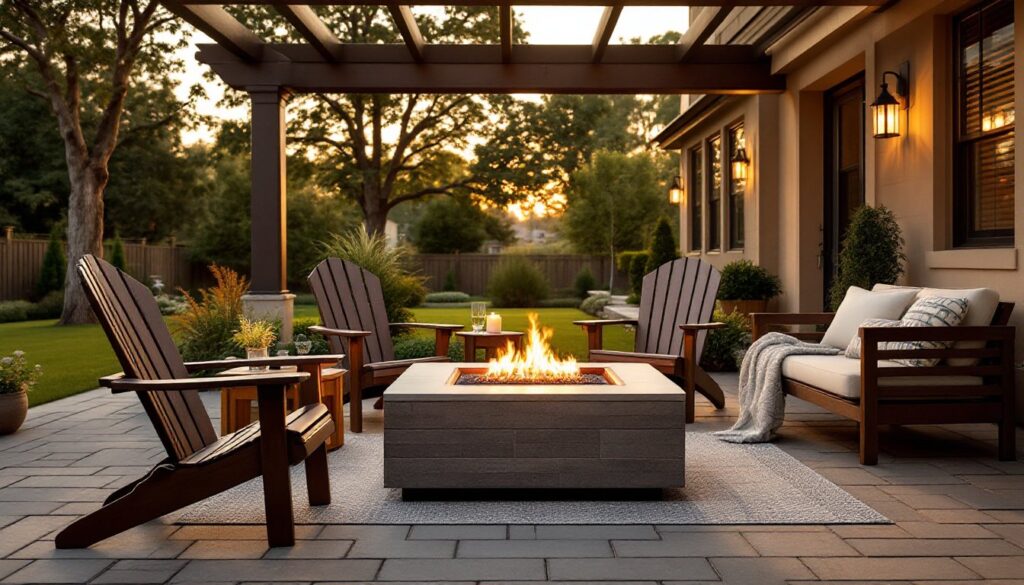
A fire pit table is only part of the equation. The surrounding furniture shapes how your patio actually functions. Complementary seating is non-negotiable, whether that’s dining chairs if your table serves meals, lounge chairs for relaxation, or a mix of both.
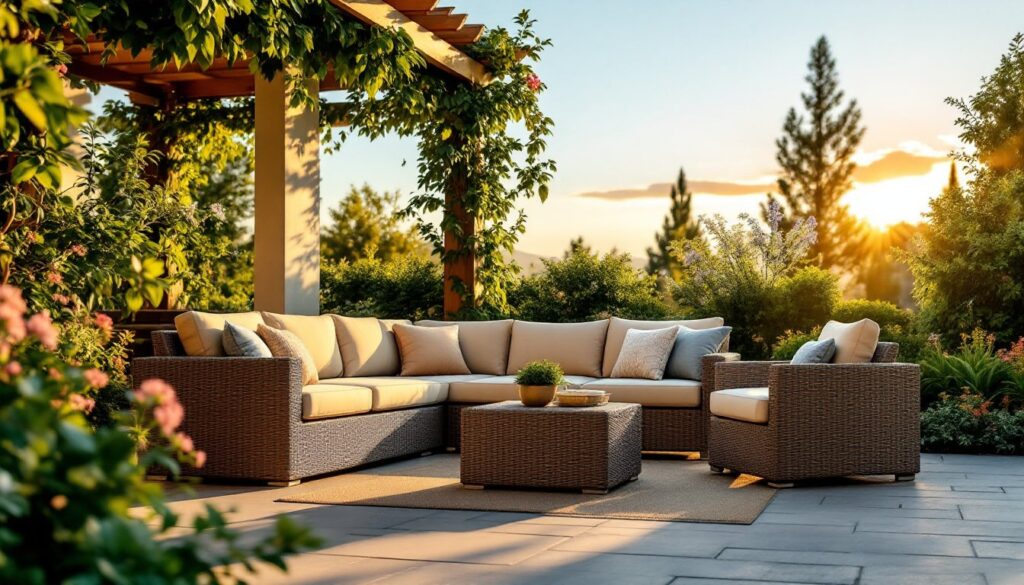
Adirondack chairs and modern slatted designs work well because they’re low-maintenance, weather-resistant, and align with most fire pit tables. Woven rattan or synthetic wicker adds comfort and style but demands more protection from the elements. If your fire pit table is your primary dining surface, pair it with weather-rated dining chairs that stack or tuck away when not in use, this prevents your patio from feeling cluttered year-round.
Consider a side table or two for drinks, snacks, and candles. Small accent tables break up the furniture arrangement, create visual interest, and solve the practical problem of where to set things down. Some homeowners add a storage bench along one edge of the patio to hide cushions and firewood while doubling as extra seating.
An umbrella or shade structure is often overlooked but worth planning from the start. Midday sun exposure degrades cushions and covers faster than anything else. A permanent pergola or shade sail costs more upfront but protects your entire investment and extends comfortable outdoor hours. Retractable umbrellas work for smaller setups. Don’t rely solely on a pop-up canopy, winds can turn these into hazards near an active fire pit.
According to outdoor design principles found on The Spruce, layering furniture by function and creating defined zones prevents patios from feeling sparse or chaotic. Anchor your fire pit table as the centerpiece, position lounge seating to one side, and keep pathways clear. This layout encourages natural flow and makes the space feel intentional rather than random.
Safety Tips and Maintenance for Fire Pit Tables
Safety isn’t optional, it’s the prerequisite for enjoying your fire pit table long-term. Always maintain a 10-foot clearance from overhanging branches, gutters, or roof edges. Keep firewood, cushions, and any flammables well away from the table itself. Never operate a gas fire pit table indoors or under a covered patio roof without proper ventilation: carbon monoxide buildup is a serious hazard.
Require children and guests to stay a minimum 3 feet from an active fire. Teach kids that metal surfaces stay dangerously hot long after flames die down. Always keep a fire extinguisher or garden hose within arm’s reach, even brief flames sometimes need quick control. For wood-burning tables, don’t leave fires unattended, and completely extinguish embers before bed or departure. Never accelerate a cold fire pit table with lighter fluid or gasoline: use only approved fire starters or kindling.
Maintenance varies by model but follows basic principles. Gas tables need annual burner inspection and nozzle cleaning to prevent uneven flames. Steel surfaces should be wiped dry after rain and resealed seasonally with a quality outdoor furniture product. Concrete tables just need washing: lava stone requires occasional raking to keep the surface even. Remove ash from wood-burning tables monthly or after heavy use, buildup clogs drainage holes and traps moisture. Cover your table during off-season storage or when unused for extended periods.
Winter storage depends on your climate and material. If you’re in a region with serious freeze-thaw cycles, storing a water-filled table outdoors can cause structural damage. Drain any water features, disconnect gas lines if applicable, and consider moving the table to a shed or garage. Instructables and similar platforms offer detailed guides on winterizing specific models if you’re unsure about your table’s particular needs.
Check your fire pit table’s manual for the manufacturer’s specific cleaning recommendations. Some use stainless steel polish, others prefer simple soap and water. Harsh chemicals or pressure washers can damage protective coatings and finishes, so gentle care extends lifespan significantly.
Conclusion
A well-chosen fire pit table becomes the centerpiece of your outdoor living space, a place where gatherings happen naturally and seasons extend further than you thought possible. The investment pays dividends every time you pull a chair close and watch flames dance on a cool evening. Match the table to your actual climate and usage patterns, surround it with practical, comfortable furniture, and commit to basic maintenance. Your patio will thank you, and outdoor design pieces like these truly do transform how your family and friends experience home.