
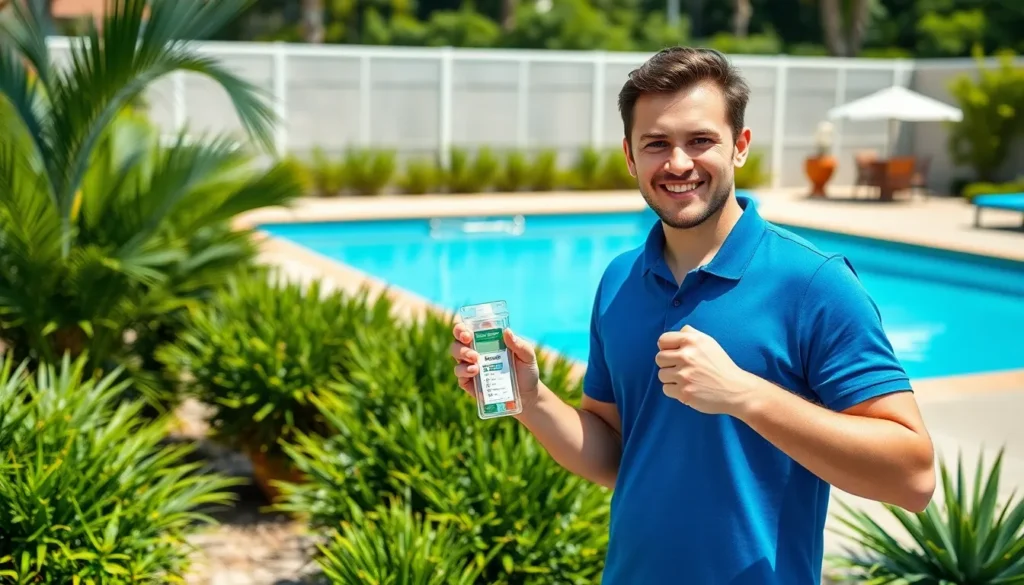
Diving into the world of pool maintenance can feel like jumping into the deep end without a life jacket. But fear not! Pool maintenance certification is the lifebuoy that’ll keep you afloat. It’s not just about keeping the water crystal clear; it’s about mastering the art of making sure your summer oasis doesn’t turn into a swampy disaster.
Overview of Pool Maintenance Certification
Pool maintenance certification is essential for effective pool management. It empowers pool owners with knowledge to address various maintenance tasks confidently.
Importance of Certification
Certification in pool maintenance elevates safety and quality standards. Professionals with certification possess expertise in water chemistry, filtration systems, and equipment maintenance. Knowing correct procedures helps prevent costly repairs and ensures clean, safe swimming conditions. Additionally, certified individuals gain credibility, attracting clients seeking reliable services. Many insurance companies offer discounts when hiring certified technicians, further enhancing the value of certification.
Types of Certifications Available
Several certifications exist for pool maintenance professionals. The Certified Pool Operator (CPO) program stands out, covering essential topics like water chemistry and safety regulations. Another option includes the Aquatic Facility Operator (AFO) certification, focusing on broader aspects of pool operations, including management practices. The National Swimming Pool Foundation (NSPF) offers various programs tailored to different skill levels. These certifications equip individuals with the tools necessary for effective pool management and maintenance, ensuring compliance with industry standards.
Requirements for Certification
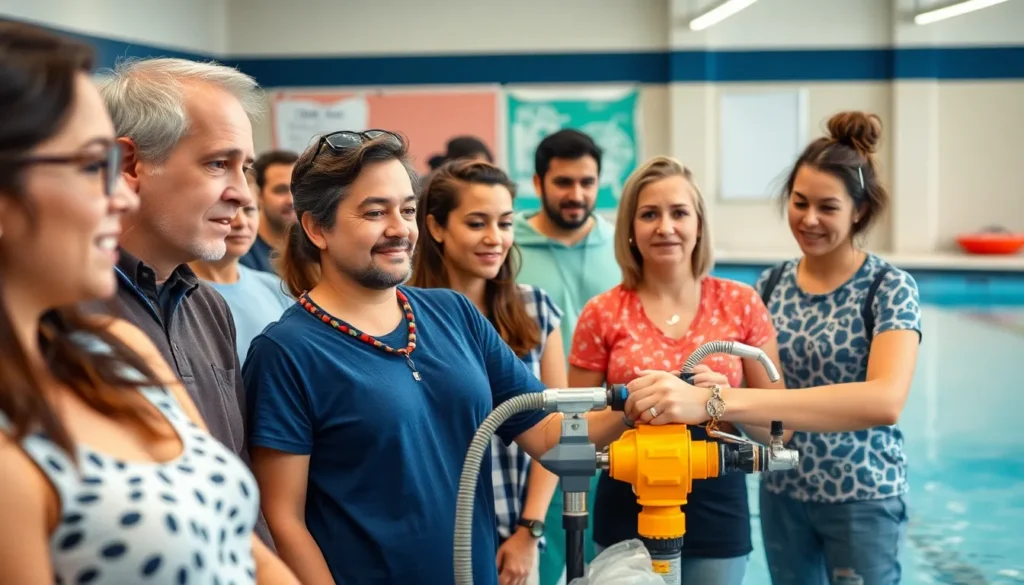
Certification in pool maintenance involves meeting specific prerequisites and completing training programs to ensure a comprehensive understanding of pool operations.
Prerequisites for Candidates
Candidates typically need a minimum age of 18 to enroll in certification programs. A high school diploma or equivalent education provides a solid foundation for aspiring pool maintenance professionals. Some programs may also desire prior experience in pool service or a related field. Skills in customer service and basic mathematics can enhance a candidate’s effectiveness in this role. Applicants might consider obtaining certifications in first aid or CPR, as these credentials often strengthen their qualifications.
Training Programs and Courses
Numerous training programs exist to prepare individuals for certification. The Certified Pool Operator (CPO) program provides essential instruction on water chemistry, filtration systems, and maintenance protocols. Courses may include both classroom instruction and hands-on training, allowing students to apply learned concepts. Alternatively, the Aquatic Facility Operator (AFO) certification emphasizes broader pool management, covering safety regulations and risk management. Many training programs are offered online or in-person, catering to various learning preferences. Completion of these courses typically culminates in a final exam to assess competency.
Benefits of Being Certified
Pool maintenance certification offers significant advantages for individuals pursuing careers in pool management. Certification fosters enhanced skills and expertise, making it invaluable for professional growth.
Enhanced Skills and Knowledge
Improved skills lead to higher proficiency in pool maintenance tasks. Certification programs cover essential areas such as water chemistry, safety regulations, and filtration systems. Understanding these topics allows certified professionals to identify and rectify issues effectively, preventing costly repairs. Moreover, hands-on training enhances technical skills needed for real-world applications. Certified individuals acquire the confidence to tackle challenges, ensuring pools remain safe and clean for users.
Increased Job Opportunities
Careers in pool maintenance expand through certification. Employers often prefer hiring certified candidates for their demonstrated expertise. Certification improves credibility, attracting potential clients and increasing job prospects. Many companies seek individuals with certifications like the Certified Pool Operator or Aquatic Facility Operator, emphasizing the value employers place on recognized credentials. Additionally, certified individuals may qualify for better pay rates and benefits, contributing to overall job satisfaction. As the demand for skilled pool maintenance professionals rises, certification becomes a crucial competitive advantage in the industry.
The Certification Process
The certification process involves several key steps to ensure proficiency in pool maintenance.
Steps to Obtain Certification
First, candidates must choose an appropriate certification program, such as the CPO or AFO, which aligns with their career goals. After selecting a program, enrollment follows by submitting an application and paying any associated fees. Attending classes that include both classroom instruction and hands-on training is essential for learning vital topics. Completing these training sessions culminates in taking a final exam. Passing this exam confirms the individual’s competency and understanding of pool maintenance principles.
Costs and Duration
Costs for certification programs typically range from $200 to $500, depending on the program and location. Registration fees usually cover tuition, materials, and exam costs. Duration often varies, with most classes offered over a few days to a week. Some programs provide flexible options, allowing individuals to complete the training within a month or two, especially if online resources are available. Time investment pays off through enhanced knowledge and credibility in the pool maintenance industry.
Pool maintenance certification stands as a vital asset for anyone looking to excel in the industry. It equips individuals with the skills and knowledge necessary to manage pools effectively while ensuring safety and compliance with regulations. Certified professionals not only enhance their credibility but also open doors to better job opportunities and potential financial benefits.
As the demand for skilled pool maintenance workers continues to grow, obtaining certification becomes increasingly important. By investing time and effort into certification programs, individuals can significantly improve their proficiency and stand out in a competitive market. Ultimately, a commitment to ongoing education and certification paves the way for success and satisfaction in pool maintenance careers.