Step back in time to the groovy 1970s, where home interiors were as bold as the fashion choices. Picture vibrant colors, funky patterns, and a love for all things eclectic. If you think today’s design trends are wild, wait until you see how the 70s embraced the unexpected. It was a decade that celebrated individuality and creativity, turning living spaces into personal statements.
From shag carpets that felt like walking on clouds to psychedelic wallpaper that could make anyone do a double-take, 70s home design was all about making an impression. Whether it’s the iconic sunken living rooms or the infamous avocado green appliances, this era has left an indelible mark on interior design. So grab your bell-bottoms and get ready to explore how the 70s can inspire today’s homes, proving that sometimes, the past really is the best place to find fresh ideas.
Overview of 70s Home Interior Design
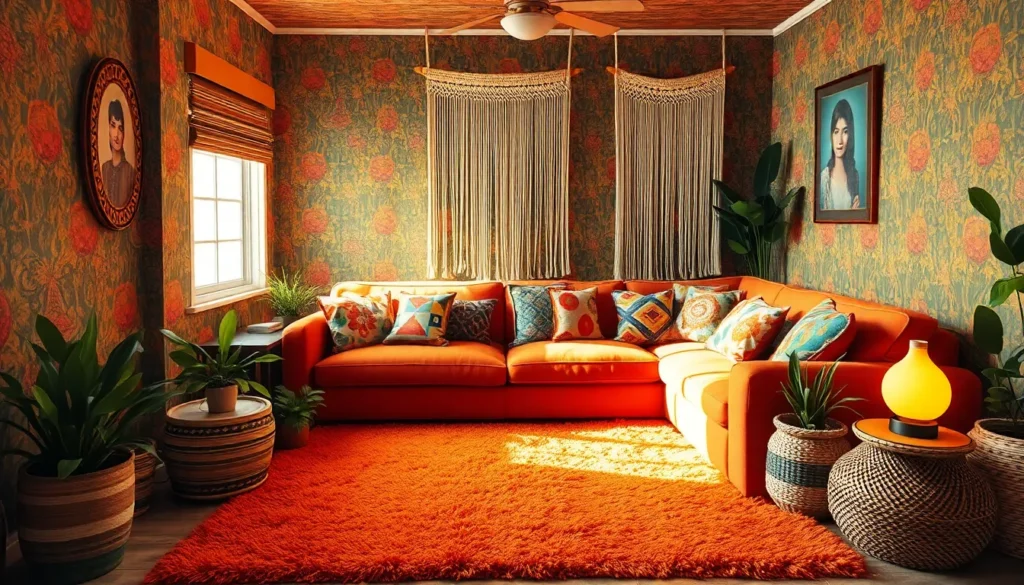
The 1970s marked a significant shift in home interior design, embracing bold aesthetics and innovative concepts. Color palettes featured earth tones like avocado green, mustard yellow, and rust, creating warm, inviting spaces. Various patterns emerged, with psychedelic designs, geometric shapes, and floral motifs dominating wallpaper and textiles.
Furniture from this era reflected a casual vibe, prioritizing comfort and functionality. Pieces like bean bag chairs, sectional sofas, and low-profile coffee tables became staples, encouraging an informal atmosphere. Shag carpets enhanced the tactile experience, adding texture and warmth to living areas.
In lighting, designers favored statement fixtures. Iconic designs such as lava lamps and disco balls captured the playful spirit of the decade. Wood paneling often adorned walls, contributing to a cozy, rustic feel, while built-in shelves showcased eclectic collections and knick-knacks.
Architectural elements like sunken living rooms and open floor plans allowed for fluid and social environments. These spaces encouraged interaction, embodying the era’s emphasis on communal living. Accessories included macramé hangings, large-scale art pieces, and ceramics, adding layers of visual interest.
This eclectic approach celebrated personal expression. Individuals filled their homes with unique items that reflected personal style and interests. The 70s pushed boundaries, merging functionality and artistic flair, making a lasting impact on future design trends. Today, many modern interiors draw inspiration from these vibrant styles, proving their influence remains strong.
Key Features of 70s Home Interior Design
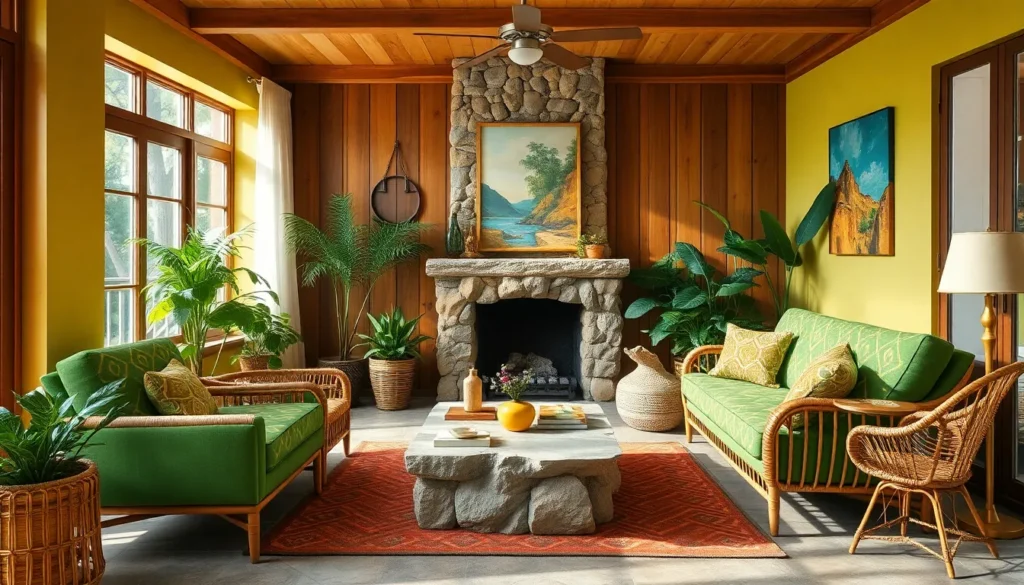
The 1970s showcased distinctive home interior design elements that emphasized character and individuality. Key features defined this era’s vibrant aesthetic.
Bold Colors and Patterns
Bright colors dominated the decade’s aesthetic. Avocado green, mustard yellow, and burnt orange appeared on walls and furniture. Vibrant, geometric patterns adorned textiles and wallpapers, bringing spaces to life. Psychedelic prints flourished, often combining unexpected designs that encouraged creativity. Patterns featured swirls and bold florals, creating visual excitement. Many designs celebrated artistic expression, enhancing the overall atmosphere of homes. Colorful furnishings complemented these patterns, fostering a cohesive yet eclectic look.
Use of Natural Materials
Natural materials featured prominently in 70s interiors. Wood brought warmth, often seen in paneling and furniture. Earthy textures appeared in various elements, adding depth and dimension. Stone surfaces also gained popularity, particularly in fireplaces and countertops. Rattan and wicker furniture pieces introduced an organic touch, softening the bold colors and patterns. This emphasis on natural materials fostered a sense of comfort and connection to the environment. Plants adorned interiors, enhancing the organic feel while promoting a relaxed atmosphere.
Iconic Furniture Styles
Furniture styles from the 1970s showcase unique influences that shaped the decade’s interior design. Various trends emerged, each with distinct characteristics and contributions to modern environments.
Mid-Century Modern Influence
Mid-century modern design significantly impacted the 70s. Designers emphasized clean lines and organic forms. Furniture pieces like Eames chairs and classic coffee tables fostered a minimalist aesthetic. Vibrant upholstery and innovative materials made these designs stand out. Additionally, multi-functional furniture became popular, reflecting the era’s focus on comfort and utility. Many homes featured open spaces, encouraging a seamless integration of living and dining areas. Designers incorporated natural elements, prompting an appreciation for functional artistic pieces. This blend of style and utility marked a unique evolution in home interiors.
The Rise of Scandinavian Design
Scandinavian design gained momentum during the 1970s. Its simplicity and functionality resonated with homeowners seeking comfort and elegance. This style featured light woods, neutral color palettes, and minimalist shapes. Statement pieces, such as sleek sofas and functional storage units, became staples. Textiles infused warmth, often utilizing rich textures and geometric patterns. Functionality always remained at the forefront, with each piece crafted for everyday use. Scandinavian influence encouraged a harmonious balance between aesthetics and practicality, a hallmark of 70s interior design. Integrating this style allowed for serene spaces that prioritized ease and style.
Popular Decorative Elements
The 1970s embraced a distinct array of decorative elements that defined home interiors. These features enhanced spaces, fostering unique atmospheres reflective of the era’s creativity.
Textiles and Fabrics
Fabrics from the 70s often showcased bold prints and vibrant colors. Iconic patterns included florals, geometric shapes, and abstract designs. Popular choices encompassed shag rugs, often in vivid hues like orange and yellow, which added warmth and texture. Draperies in heavy materials complemented the eclectic aesthetic, frequently featuring large-scale motifs. Upholstery materials like denim and velvet introduced comfort while making a style statement. Layering textiles allowed for an inviting environment, creating a cozy atmosphere that characterized many homes.
Artwork and Accessories
Artwork and accessories played a crucial role in enlivening spaces during the 70s. Large canvas prints featuring abstract designs or nature scenes anchored living rooms. Sculptures made from metal or ceramics provided artistic flair, frequently displayed on coffee tables or shelves. Statement pieces of macramé added texture and visual interest, hung on walls or used as plant hangers. Decorative items, such as lava lamps and disco balls, embodied the playful spirit of the decade. Collectively, these decorative elements fostered personal expression, celebrating individuality in 70s home design.
The vibrant and eclectic spirit of 70s home interior design continues to resonate today. Its bold colors and unique patterns invite creativity and self-expression in modern spaces. By embracing elements like natural materials and multi-functional furniture, homeowners can capture the essence of this iconic decade.
The lasting impact of 70s design serves as a reminder that comfort and individuality are timeless. As trends evolve, the playful and artistic flair of the 70s remains a source of inspiration, encouraging a harmonious blend of style and practicality in contemporary interiors.